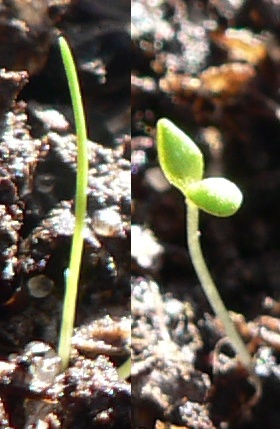
How to Grow Artichoke
Cynara cardunculus var. scolymus
A bold, architectural perennial grown for its edible flower buds — beautiful, productive, and best harvested before the bloom.
By the Plants by Zone Editorial Team · Reviewed June 1, 2026
About artichoke
Globe artichoke is a silvery, thistle-like perennial that produces large, edible flower buds on tall arching stems. In mild coastal zones it grows as a long-lived perennial; in colder regions it is started early indoors and grown as a productive annual, provided seedlings are vernalized (briefly chilled) to trigger bud formation. The edible "choke" is the immature flower head — cut it while the scales are still tight and the flavor is sweet and nutty. Beyond the kitchen, an artichoke in full silver leaf is one of the most architecturally striking plants you can grow.
When to plant and harvest artichoke
Timing is relative to your frost dates. Find your USDA zone for exact dates, or browse the month-by-month calendars.
Start seeds indoors
8–10 weeks before last frost
Transplant outdoors
2–4 weeks after last frost, once soil has warmed
Direct sow
Not practical in most zones — the season is too long
Harvest
Late spring to early summer (perennial); late summer in annual crops
Free planting calendar
Put artichoke on your own planting calendar
Pick your zone, and we'll build a month-by-month sow, transplant & harvest chart with artichoke already on it — print it or save it as a PDF.
Free · no signup needed
How to grow artichoke step by step
- 1
Start seeds indoors at 65–75°F 8–10 weeks before transplanting, or purchase nursery plants; germination takes up to three weeks.
- 2
Vernalize seedlings grown for first-year buds: once plants are 4–6 in tall, expose them to 7–10 days of temperatures between 45–55°F (a cold frame or cool garage works) — this mimics winter and triggers the plant to set buds.
- 3
Transplant into deep, rich, well-drained soil after the last frost, giving each plant at least 4–6 ft of space; these are substantial plants.
- 4
Feed monthly with a balanced fertilizer and mulch deeply to keep the root zone moist and cool through summer.
- 5
Water deeply and evenly; drought produces tough, mealy buds.
- 6
Harvest central buds first while scales are tight and the bud is 3–5 in across; side buds develop afterward and are often more tender.
Common problems growing artichoke
⚠ All foliage, no buds in first year
Vernalization was skipped or insufficient — seedlings must experience 7–10 days of 45–55°F temperatures to reliably set buds their first season.
⚠ Aphids in bud crevices and on stems
Artichokes attract aphids heavily — direct a strong jet of water into the bud scales, or apply insecticidal soap to infested areas; check between the scales where colonies hide.
⚠ Earwigs inside the harvested buds
Soak cut buds upside-down in lightly salted water for 10–15 minutes to drive earwigs out before cooking.
⚠ Botrytis (gray mold) on buds in wet weather
Space widely for airflow and harvest promptly; remove any discolored tissue immediately and avoid wetting the foliage.
✓ Good companions for artichoke
✗ Keep away from
🧺 Harvesting artichoke
Cut the central bud with 2–3 in of stem when the bud is 3–5 in across and the scales are tightly closed and still green — once scales flare open and purple flower petals show, the heart becomes stringy and bitter. Side buds mature a few weeks later and are smaller but often more flavorful. In perennial plantings, cut spent stalks to the ground after the last harvest each year and top-dress the crown with compost; in zones below 7, mulch the crown deeply for winter protection.
Artichoke: frequently asked questions
When should you plant artichoke?+
In most regions you start seeds indoors 8–10 weeks before last frost, then transplant 2–4 weeks after last frost, once soil has warmed. Timing is relative to your last frost, so find your USDA hardiness zone for the exact planting dates where you live.
Can artichokes survive cold winters?+
Hardy to zone 7 as perennials, they die back to the ground but resprout from the crown each spring. In zones 4–6 they are grown as annuals, started early indoors and vernalized to encourage first-year buds. Even in zone 7, a deep mulch over the crown protects it from hard freezes.
What is vernalization and why do artichokes need it?+
Vernalization is a sustained exposure to cool temperatures (45–55°F for 7–10 days) that mimics winter and signals the plant to transition from vegetative growth to flowering. Without it, seedlings grown in consistently warm conditions produce only impressive silver foliage and no buds in their first season.
Sources & review
Written and maintained by the Plants by Zone Editorial Team. Planting times are based on USDA hardiness zones and NOAA frost-date normals, with care guidance drawn from Cooperative Extension sources. Last reviewed June 1, 2026.
USDA Plant Hardiness Zone MapNOAA U.S. climate normalsCooperative Extension
Grow artichoke in your zone
See exactly when to plant and what else to grow alongside artichoke, tailored to your USDA hardiness zone.


