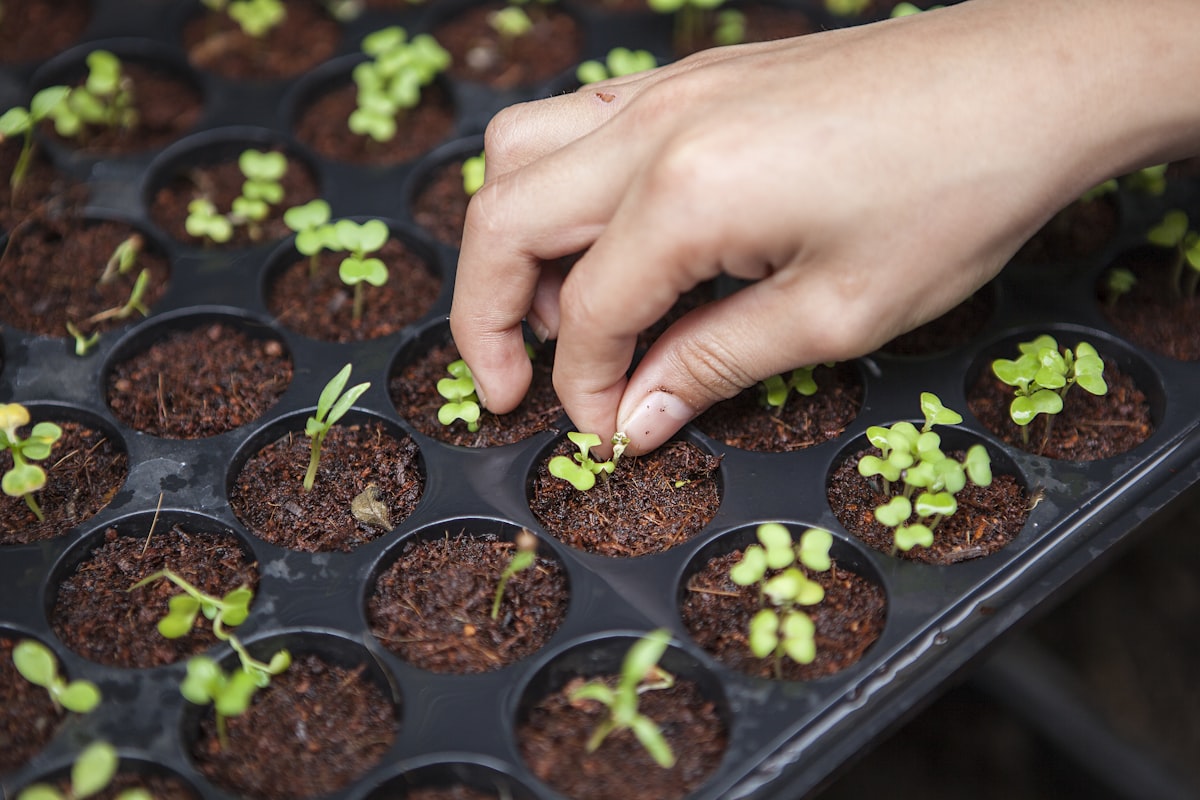
Zone 6 Planting Guide
Temperate-Cold — Mid-Atlantic, Midwest, Pacific Northwest Highlands
- Min Winter Temp
- -10 to 0 °F / -23 to -18 °C
- Last Spring Frost
- Mid April – early May
- First Fall Frost
- Mid October – early November
- Growing Season
- 180–210 days
- Annual Rainfall
- 30–55 in
Climate overview
Zone 6 strikes an excellent balance between cold-season dormancy (important for fruit trees and many perennials) and a long enough summer for heat-loving crops. Gardeners can successfully grow everything from garlic and kale through to sweet corn, tomatoes, and melons. The Mid-Atlantic version of Zone 6 tends to be humid, with summer heat and moisture that favor both bumper harvests and fungal diseases. The Pacific Northwest highland version is drier and cooler-summered. In both cases, the plant palette is enormous — thousands of perennial species, shrubs, and trees are fully reliable here.
States & regions
- New Jersey
- Pennsylvania (eastern)
- Virginia (highlands)
- West Virginia
- Kentucky
- Missouri
- Kansas (south-central)
- Oklahoma (northern)
- Oregon (highlands)
- Washington (eastern)
Example cities
- Philadelphia, PA
- Baltimore, MD
- St. Louis, MO
- Louisville, KY
- Oklahoma City, OK
- Portland, OR (suburbs/east)
Soil notes
Mid-Atlantic soils are often clay-heavy and need organic matter; Midwest soils tend to be richer. Regular composting greatly improves structure and drainage.
- Temperature range
- -10 to 0 °F / -23 to -18 °C
- Growing season
- 180–210 days
- Annual rainfall
- 30–55 inches
Challenges
- High summer humidity in eastern areas increases disease pressure
- Occasional late frosts in April catch spring plantings off guard
- Hot, dry summer spells in continental locations
Advantages
- Long growing season
- Wide plant palette including many broadleaf evergreens
- Mild enough for overwintered spinach and kale with light protection
- Excellent for soft fruits: strawberries, raspberries, blueberries
Gardening strategies for Zone 6
- 1
Sow cool-season crops directly in early April
- 2
Succession-plant lettuce every 3 weeks to avoid summer bolting
- 3
Grow disease-resistant tomato varieties in humid areas
- 4
Plant garlic in late October; harvest in late June
- 5
Use drip irrigation to reduce leaf wetness and fungal disease
Monthly planting calendar
What to sow, transplant, and harvest each month in Zone 6.
Browse by sun exposure
Find the best plants for your specific spot in Zone 6.
Browse by plant category
Targeted guides for vegetables, herbs, fruits, and flowers in Zone 6.