How to Grow Calendula
Calendula officinalis
Glowing orange and yellow cool-season blooms with edible petals and a centuries-old herbal tradition.
By the Plants by Zone Editorial Team · Reviewed June 1, 2026
About calendula
Calendula (pot marigold) is a tough cool-season annual that produces an almost nonstop succession of daisy-like blooms from spring well into fall. Its petals are edible with a mildly tangy, saffron-like flavor — traditionally used to color rice and soups — and have a long history in herbal skin care for their anti-inflammatory properties. It thrives in the cool of spring and fall, self-sows prolifically, and is one of the longest-blooming annual flowers you can grow.
When to plant and harvest calendula
Timing is relative to your frost dates. Find your USDA zone for exact dates, or browse the month-by-month calendars.
Start seeds indoors
4–6 weeks before last frost
Transplant outdoors
2–3 weeks before last frost (frost-tolerant to about 25°F)
Direct sow
2–4 weeks before last frost in spring; late summer for fall blooms
Harvest
Spring into summer, and again in fall
Free planting calendar
Put calendula on your own planting calendar
Pick your zone, and we'll build a month-by-month sow, transplant & harvest chart with calendula already on it — print it or save it as a PDF.
Free · no signup needed
How to grow calendula step by step
- 1
Direct-sow ¼ in deep as soon as the soil can be worked in early spring — calendula is frost-tolerant and thrives in cool weather.
- 2
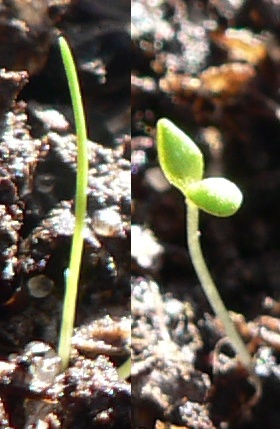
Thin seedlings to 8–12 in apart once they show their first true leaves.
- 3
Water at the base and deadhead spent flowers religiously to extend the season for months.
- 4
Sow a second batch in late summer for an autumn flush; in mild zones it blooms through winter.
- 5
Allow a few late blooms to set seed and it will self-sow freely, returning each year.
- 6
Harvest flowers in the morning at their peak, drying any surplus on a screen in a warm, airy spot.
Common problems growing calendula
⚠ Powdery mildew in summer heat
Calendula naturally slows in midsummer heat and is prone to mildew then; water at the base, improve airflow, and shear the plant back to wait for cooler weather and a fall revival.
⚠ Aphids clustering on tender tips
Knock them off with a hard blast of water or a spray of diluted insecticidal soap; plants recover quickly and beneficial insects usually follow.
⚠ Leggy plants with few blooms mid-season
Summer heat and missed deadheading both cause this — shear plants back by a third and remove spent flowers, and blooming resumes in cooler weather.
✗ Keep away from
🧺 Harvesting calendula
Pick fully open blooms in the morning once the dew has dried, choosing the deepest-colored flowers at peak freshness. Pinch the stem back to a leaf node and deadhead continuously — a single well-tended plant can produce over a hundred flowers through its season. Spread fresh petals on a mesh screen or hang whole flowers upside down in a warm, airy spot to dry; dried petals keep their color and flavor for months.
Calendula: frequently asked questions
When should you plant calendula?+
In most regions you start seeds indoors 4–6 weeks before last frost, then transplant 2–3 weeks before last frost (frost-tolerant to about 25°F) — or direct sow 2–4 weeks before last frost in spring; late summer for fall blooms. Timing is relative to your last frost, so find your USDA hardiness zone for the exact planting dates where you live.
Can you eat calendula flowers?+
Yes — the petals of Calendula officinalis are edible with a mildly bitter, slightly saffron-like flavor and are used to color rice, butter, salads, and soups. Always confirm the species, as not all orange "marigolds" are edible.
Does calendula come back every year?+
It's an annual, but it self-sows so freely that it tends to reappear on its own each spring once established. Let a few late flowers set seed and it will naturalize a patch reliably over time.
Sources & review
Written and maintained by the Plants by Zone Editorial Team. Planting times are based on USDA hardiness zones and NOAA frost-date normals, with care guidance drawn from Cooperative Extension sources. Last reviewed June 1, 2026.
USDA Plant Hardiness Zone MapNOAA U.S. climate normalsCooperative Extension
Grow calendula in your zone
See exactly when to plant and what else to grow alongside calendula, tailored to your USDA hardiness zone.


