How to Grow Chamomile
Matricaria chamomilla
Apple-scented daisy flowers beloved for tea — one of the easiest self-sowing herbs you can grow.
By the Plants by Zone Editorial Team · Reviewed June 1, 2026
About chamomile
German chamomile produces masses of white-and-gold daisy-like flowers from early summer onward, each smelling of ripe apples. It is one of the most effortless herbs in the garden — thriving in poor soil, drawing beneficial insects, and self-sowing so reliably that a single planting tends to return year after year with no effort. The dried flowers steep into the most widely consumed herbal tea in the world, and the plant has a centuries-long tradition as a gentle garden companion that attracts hoverflies and parasitic wasps to nearby crops.
When to plant and harvest chamomile
Timing is relative to your frost dates. Find your USDA zone for exact dates, or browse the month-by-month calendars.
Start seeds indoors
4–6 weeks before last frost (surface-sow in trays; keep cool and bright)
Transplant outdoors
After last frost, handling roots carefully
Direct sow
2–4 weeks before last frost in spring; or scatter seed in fall for natural cold treatment
Harvest
Summer through early fall; flowers open in flushes over many weeks
Free planting calendar
Put chamomile on your own planting calendar
Pick your zone, and we'll build a month-by-month sow, transplant & harvest chart with chamomile already on it — print it or save it as a PDF.
Free · no signup needed
How to grow chamomile step by step
- 1
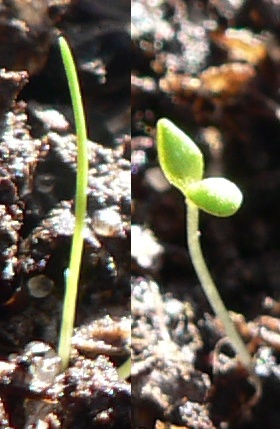
Surface-sow in early spring or fall by pressing seeds lightly onto moist soil — do not cover them, since chamomile requires light to germinate.
- 2
Direct sowing is more reliable than transplanting because chamomile dislikes root disturbance.
- 3
Thin seedlings to 6–8 in apart for good airflow; once established as a self-sowing patch it will space itself naturally.
- 4
Water lightly until established, then mostly leave it alone — lean, dryish conditions produce sturdier plants and stronger fragrance than rich, wet soil.
- 5
Harvest flowers in the morning once petals open fully, before they begin to reflex (bend) backward — that is the peak of fragrance and oil.
- 6
Let several plants set seed at the end of the season so the patch self-sows and returns each spring.
Common problems growing chamomile
⚠ Seeds fail to sprout
Almost certainly covered with soil — chamomile requires light to germinate; press seeds onto the surface and do not rake them under.
⚠ Leggy, floppy plants with sparse bloom
Too much shade or overly rich soil; grow in full sun in average to lean ground and plants will be sturdier with far more flowers.
⚠ Aphids on tender tips and flower buds
Knock off with a firm jet of water; chamomile is vigorous and the flowers attract beneficial insects that keep populations in check naturally.
⚠ Powdery mildew in late summer
Space for airflow and water at the base; the fresh flush of self-sown seedlings in fall almost always escapes this mid-season problem.
✗ Keep away from
🧺 Harvesting chamomile
Pick flowers in the morning after the dew dries, just as the petals open fully and before they begin to fold back — that moment has the highest essential oil content and the strongest apple fragrance. Harvest every few days during the blooming flush. Dry flowers in a single layer on a screen or flat basket in a warm, airy, shaded spot for 1–2 weeks until they crumble easily, then store in a sealed glass jar away from light. For tea, steep one heaped teaspoon of dried flowers per cup in just-off-the-boil water for 5 minutes.
Chamomile: frequently asked questions
When should you plant chamomile?+
In most regions you start seeds indoors 4–6 weeks before last frost (surface-sow in trays; keep cool and bright), then transplant after last frost, handling roots carefully — or direct sow 2–4 weeks before last frost in spring; or scatter seed in fall for natural cold treatment. Timing is relative to your last frost, so find your USDA hardiness zone for the exact planting dates where you live.
German chamomile or Roman chamomile — which should I grow?+
German chamomile (Matricaria chamomilla) is the annual type, 12–24 in tall, easiest from seed and the standard for dried-flower tea. Roman chamomile (Chamaemelum nobile) is a low-growing perennial suited to ground cover or a lawn alternative, with a slightly more bitter flavor. Both make pleasant tea; German is the most widely used type.
Will chamomile come back after I harvest it?+
German chamomile is an annual, but it self-sows so freely that once established it typically reappears on its own each spring. Let a few plants drop seed at the end of the season and you will rarely need to buy seed again.
Sources & review
Written and maintained by the Plants by Zone Editorial Team. Planting times are based on USDA hardiness zones and NOAA frost-date normals, with care guidance drawn from Cooperative Extension sources. Last reviewed June 1, 2026.
USDA Plant Hardiness Zone MapNOAA U.S. climate normalsCooperative Extension
Grow chamomile in your zone
See exactly when to plant and what else to grow alongside chamomile, tailored to your USDA hardiness zone.


