How to Grow Hollyhocks
Alcea rosea
Towering cottage-garden biennials with stately spires of papery blooms that self-seed for decades.
By the Plants by Zone Editorial Team · Reviewed June 1, 2026
About hollyhocks
Hollyhocks are the quintessential American cottage-garden flower — tall, cheerful, and so ready to self-sow that a single planting often persists for generations. Technically biennials (a leafy rosette in year one, a 4-to-8-foot flower spire in year two), they bloom the very first summer when started indoors early, and after that their annual seed drop keeps the colony going indefinitely. Shades range from white, pale pink, and peachy yellow through saturated red and near-black purple, in single or full double forms, attracting bumblebees and hummingbirds from the moment the lowest buds open.
When to plant and harvest hollyhocks
Timing is relative to your frost dates. Find your USDA zone for exact dates, or browse the month-by-month calendars.
Start seeds indoors
8–10 weeks before last frost for first-year bloom
Transplant outdoors
Around last frost, or once nighttime temperatures stay above 40°F
Direct sow
Late spring to early summer (for next-year bloom) or just after last frost
Harvest
Flowers early summer through midsummer; deadhead to extend the season
Free planting calendar
Put hollyhocks on your own planting calendar
Pick your zone, and we'll build a month-by-month sow, transplant & harvest chart with hollyhocks already on it — print it or save it as a PDF.
Free · no signup needed
How to grow hollyhocks step by step
- 1
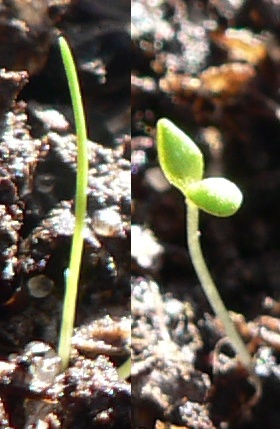
For first-year bloom: start seed indoors 8–10 weeks before last frost at 60–70°F — the papery, disc-shaped seeds germinate in 2–3 weeks.
- 2
Transplant after last frost in a sunny, well-drained spot; hollyhocks hate wet feet and do best against a fence or wall that gives air movement.
- 3
For the traditional biennial method: direct-sow from late spring through early summer and let the first-year rosettes overwinter; they bloom the following season.
- 4
Plant in lean to moderately fertile soil — very rich beds produce lush leaves but floppy, sparse blooms.
- 5
Stake plants in windy locations; a 5-foot bamboo stake placed at planting saves the tallest spires from summer storms.
- 6
Allow a few seed heads to ripen and drop to keep the colony self-seeding; collect and scatter seeds in new spots in late summer.
Common problems growing hollyhocks
⚠ Rust (orange-yellow pustules on leaf undersides)
Hollyhock rust (Phragmidium malvacearum) is near-universal. Remove and destroy affected leaves promptly, water only at the base, improve air circulation, and grow in open spots — plants bloom reliably despite rust, but caught early, removal slows its spread.
⚠ Japanese beetles skeletonizing the foliage
Hand-pick adults into soapy water in early morning when they are sluggish; plants recover vigorously from defoliation.
⚠ Slugs eating young seedlings
Apply iron phosphate bait around the base of new transplants in spring, especially in wet weather; established plants are rarely at risk.
⚠ Plants fall over before blooming (lodging)
Usually from planting in very rich soil or full shade — move to full sun and lean soil, and stake with a single bamboo pole.
✓ Good companions for hollyhocks
✗ Keep away from
🧺 Harvesting hollyhocks
Hollyhocks are primarily a garden display plant, but their blooms last 1–2 days in a vase when cut in the early morning with stems seared in boiling water for 10 seconds. For cut arrangements, take stems when the lowest two or three flowers are open and buds are still tight above — they open in sequence up the spire. To perpetuate the colony, leave several seed heads to ripen and turn brown, then crack them open and scatter the papery disc-shaped seeds in late summer where you want next year's plants.
Hollyhocks: frequently asked questions
When should you plant hollyhocks?+
In most regions you start seeds indoors 8–10 weeks before last frost for first-year bloom, then transplant around last frost, or once nighttime temperatures stay above 40°F — or direct sow late spring to early summer (for next-year bloom) or just after last frost. Timing is relative to your last frost, so find your USDA hardiness zone for the exact planting dates where you live.
Are hollyhocks annual or perennial?+
They are biennials — rosette in year one, blooms in year two — and usually die after flowering. Because they self-seed so freely, the colony renews itself and behaves like a perennial. With an 8–10 week indoor start before the last frost, they bloom in their first garden season.
How do I deal with hollyhock rust?+
Rust is nearly inevitable on hollyhocks. The most effective approach is cultural: remove and dispose of infected leaves as they appear, water at the base never overhead, and space plants so air moves between them. Rust-tolerant varieties ("Blacknight" and many older singles) tend to cope better than large-double types. Plants bloom despite moderate rust infection.
Sources & review
Written and maintained by the Plants by Zone Editorial Team. Planting times are based on USDA hardiness zones and NOAA frost-date normals, with care guidance drawn from Cooperative Extension sources. Last reviewed June 1, 2026.
USDA Plant Hardiness Zone MapNOAA U.S. climate normalsCooperative Extension
Grow hollyhocks in your zone
See exactly when to plant and what else to grow alongside hollyhocks, tailored to your USDA hardiness zone.


