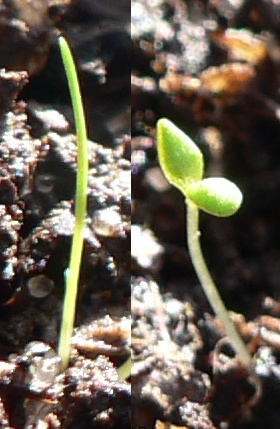
How to Grow Sweet Marjoram
Origanum majorana
Milder, sweeter cousin of oregano — a classic culinary herb with gentle pine-citrus warmth.
By the Plants by Zone Editorial Team · Reviewed June 1, 2026
About sweet marjoram
Sweet marjoram is a compact Mediterranean herb with a subtler, more delicate flavor than the bold oregano it resembles. While oregano is a cold-hardy perennial, marjoram is a tender perennial that is reliably hardy only in zones 8–10 and is typically grown as a warm-season annual in cooler climates. It forms a tidy mound of soft, grey-green leaves prized in German, French, and Mediterranean cooking — particularly in sausages, herb butters, and egg dishes — and its tiny white flowers are an excellent draw for beneficial insects.
When to plant and harvest sweet marjoram
Timing is relative to your frost dates. Find your USDA zone for exact dates, or browse the month-by-month calendars.
Start seeds indoors
6–8 weeks before last frost at 65–70°F
Transplant outdoors
1–2 weeks after last frost, once nights stay above 45°F
Direct sow
After last frost once soil is reliably above 60°F
Harvest
Summer through fall until first frost
Free planting calendar
Put sweet marjoram on your own planting calendar
Pick your zone, and we'll build a month-by-month sow, transplant & harvest chart with sweet marjoram already on it — print it or save it as a PDF.
Free · no signup needed
How to grow sweet marjoram step by step
- 1
Start seeds indoors 6–8 weeks before last frost at 65–70°F — the small seeds are slow and need steady warmth.
- 2
Surface-sow or barely cover the tiny seeds with a dusting of vermiculite; they need some light to germinate.
- 3
Harden off transplants over 7–10 days and set out after danger of frost has passed.
- 4
Space 6–12 in apart in a sunny, sharply drained spot; marjoram also thrives in containers.
- 5
Pinch growing tips frequently to keep plants bushy and delay flowering, which diminishes flavor.
- 6
In zones 8–10, mulch lightly for winter protection; in zones 5–7, take cuttings in late summer to root indoors as a houseplant.
Common problems growing sweet marjoram
⚠ Leggy, sprawling plants with few leaves
Too little sun or over-fertile soil — grow in full sun and lean to moderately fertile ground; pinch tips regularly for compact, bushy growth.
⚠ Root rot and wilting in wet conditions
Marjoram is a Mediterranean plant intolerant of wet feet — plant in sharply drained soil or raised containers and never let it sit in standing water.
⚠ Flavor weakens once plant flowers
Harvest before flowers fully open when essential oils peak; pinch flower buds as they form to extend the harvest window.
✗ Keep away from
🧺 Harvesting sweet marjoram
Harvest marjoram just as the first tiny flower buds form — that is when essential oil concentration peaks and the flavor is most intense. Cut stems back by one-third to one-half, never more, to keep the plant vigorous and producing new growth. Fresh marjoram is far more delicate than dried; add it in the last minute of cooking rather than early on to preserve its sweet, slightly floral notes. Dry sprigs upside-down in a warm, airy, shaded spot for a potent dried herb that retains its character well through winter.
Sweet Marjoram: frequently asked questions
When should you plant sweet marjoram?+
In most regions you start seeds indoors 6–8 weeks before last frost at 65–70°F, then transplant 1–2 weeks after last frost, once nights stay above 45°F — or direct sow after last frost once soil is reliably above 60°F. Timing is relative to your last frost, so find your USDA hardiness zone for the exact planting dates where you live.
What is the difference between marjoram and oregano?+
They are closely related but distinct: sweet marjoram (Origanum majorana) has a milder, sweeter, more delicate flavor with hints of pine and citrus, while oregano (O. vulgare) is pungent, earthy, and bold. Marjoram is also less cold-hardy — a tender perennial that dies in a hard freeze, whereas common oregano is a tough perennial in most US zones.
Can marjoram survive winter?+
In zones 8–10 it is a reliably hardy perennial. In zones 5–7 it usually succumbs to hard freezes; take stem cuttings in late summer, root them in a glass of water on a bright windowsill, and overwinter as a houseplant, or simply grow it as a warm-season annual and start fresh each spring.
Sources & review
Written and maintained by the Plants by Zone Editorial Team. Planting times are based on USDA hardiness zones and NOAA frost-date normals, with care guidance drawn from Cooperative Extension sources. Last reviewed June 1, 2026.
USDA Plant Hardiness Zone MapNOAA U.S. climate normalsCooperative Extension
Grow sweet marjoram in your zone
See exactly when to plant and what else to grow alongside sweet marjoram, tailored to your USDA hardiness zone.


