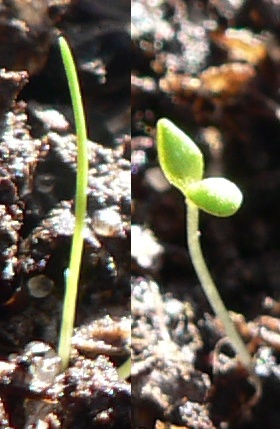
How to Grow Morning Glories
Ipomoea purpurea
Fast-climbing annual vines that drench fences and trellises in trumpet-shaped blooms from summer until frost.
By the Plants by Zone Editorial Team · Reviewed June 1, 2026
About morning glories
Morning glories are among the easiest and most rewarding annual vines you can grow, covering a trellis, fence, or arbor with lush foliage and a daily parade of flared trumpet flowers in deep cobalt, purple, crimson, pink, and white. Each flower opens fresh with the sunrise and furls by afternoon, replaced by a new set the next morning — a daily show that runs from midsummer until frost. Like nasturtiums, they actually bloom more freely in lean soil; enrich it too much and the vine spends its energy on leaves rather than flowers.
When to plant and harvest morning glories
Timing is relative to your frost dates. Find your USDA zone for exact dates, or browse the month-by-month calendars.
Start seeds indoors
2–4 weeks before last frost (optional — taproot dislikes transplanting)
Transplant outdoors
After last frost; cell trays or peat pots only — never bare root
Direct sow
1–2 weeks after last frost once soil is 65°F+
Harvest
Midsummer until frost
Free planting calendar
Put morning glories on your own planting calendar
Pick your zone, and we'll build a month-by-month sow, transplant & harvest chart with morning glories already on it — print it or save it as a PDF.
Free · no signup needed
How to grow morning glories step by step
- 1
Soak seeds in water for 8–12 hours before planting — the hard coat softens dramatically and germination drops from 2–3 weeks to under one week.
- 2
Direct-sow 1 in deep after the last frost in average or lean soil; transplanting disturbs the sensitive taproot and stunts the plant.
- 3
Set up a trellis, fence, strings, or a teepee of poles before sowing — morning glories twine rapidly once they're rooted and need something slender to grab.
- 4
Withhold fertilizer entirely; rich or recently fertilized soil pushes leafy growth and suppresses bloom.
- 5
Water during establishment; once established the vines handle dry spells well and rarely need supplemental watering except in droughts.
- 6
Let a few seed pods ripen and dry on the vine at season's end for self-sowing — a single plant can naturalize a fence line within two or three seasons.
Common problems growing morning glories
⚠ Vigorous vines but no flowers
Soil is too fertile or was fertilized — move plants to leaner ground and apply no fertilizer at all; bloom comes when the plant is mildly stressed.
⚠ Seeds fail to sprout
Hard seed coat or cold soil — always soak seed overnight and wait until the ground is 65°F+; cool, wet soil causes rot rather than germination.
⚠ Aphids clustering on tender shoot tips
Knock off with a hard blast of water; the vines outgrow light infestations quickly and natural predators follow the aphid colonies within days.
⚠ Vines spreading into unwanted areas
Deadhead spent flowers before seeds form, or remove seedlings that appear outside the intended area; morning glories can naturalize and become weedy in warm zones if left to drop seed freely.
✓ Good companions for morning glories
✗ Keep away from
🧺 Harvesting morning glories
Morning glories are a living display rather than a cut-flower crop — each bloom lasts only one morning and doesn't hold well in a vase. Collect the round, papery seed pods once they turn tan and brittle on the vine; crack them open to find small, dark, wedge-shaped seeds for saving or trading. Important safety note: the seeds contain alkaloids (ergine, also called LSA) that are harmful if eaten, causing nausea and other symptoms in small quantities and more serious effects in large doses. Keep seed pods out of reach of children and pets, and never consume the seeds.
Morning Glories: frequently asked questions
When should you plant morning glories?+
In most regions you start seeds indoors 2–4 weeks before last frost (optional — taproot dislikes transplanting), then transplant after last frost; cell trays or peat pots only — never bare root — or direct sow 1–2 weeks after last frost once soil is 65°F+. Timing is relative to your last frost, so find your USDA hardiness zone for the exact planting dates where you live.
Why won't my morning glories bloom?+
The most common reason is overly fertile or recently fertilized soil. Morning glories bloom reliably in lean, average ground — move them away from the compost heap or vegetable bed, never feed them, and flowers will follow within weeks.
Are morning glory seeds dangerous?+
Yes — the seeds of Ipomoea purpurea and related species contain ergine (lysergic acid amide), a naturally occurring alkaloid that causes nausea, vomiting, and disorientation if eaten in significant amounts. The seeds should never be consumed; keep seed pods away from children and pets, and discard or store them safely.
Sources & review
Written and maintained by the Plants by Zone Editorial Team. Planting times are based on USDA hardiness zones and NOAA frost-date normals, with care guidance drawn from Cooperative Extension sources. Last reviewed June 1, 2026.
USDA Plant Hardiness Zone MapNOAA U.S. climate normalsCooperative Extension
Grow morning glories in your zone
See exactly when to plant and what else to grow alongside morning glories, tailored to your USDA hardiness zone.


