How to Grow Poppies
Papaver somniferum; Papaver orientale
Self-sowing cottage classics that need a frost kiss to unlock their brilliant, paper-thin blooms.
By the Plants by Zone Editorial Team · Reviewed June 1, 2026
About poppies
Poppies are among the most enchanting cottage garden flowers, producing tissue-paper blooms in every shade from pure white to deep plum-black. The annual bread seed poppy (Papaver somniferum) reseeds so freely it practically plants itself once you give it a first start, while the perennial Oriental poppy (P. orientale) produces enormous ruffled blooms in spring before vanishing underground for summer. Both types share one crucial quirk: seeds must experience cold to germinate, so they are sown in autumn or in the first hard frosts of early spring.
When to plant and harvest poppies
Timing is relative to your frost dates. Find your USDA zone for exact dates, or browse the month-by-month calendars.
Start seeds indoors
Not recommended — poppies have a taproot and strongly resent root disturbance
Transplant outdoors
Direct-sow only; Oriental poppies are established from dormant bareroot divisions planted in early fall
Direct sow
Late fall (after the first killing frost) or 6–8 weeks before last frost while nights are still hard-freezing
Harvest
Late spring to early summer; decorative seed pods mature through summer
Free planting calendar
Put poppies on your own planting calendar
Pick your zone, and we'll build a month-by-month sow, transplant & harvest chart with poppies already on it — print it or save it as a PDF.
Free · no signup needed
How to grow poppies step by step
- 1
Surface-scatter seeds on bare soil in fall or in early spring while hard frosts are still likely — the freeze-thaw cycle cold-stratifies them naturally.
- 2
Press seeds lightly into the soil surface to anchor them; never bury them, as light aids germination.
- 3
Keep the seedbed moist until germination, which begins once soil warms above 50°F in spring.
- 4
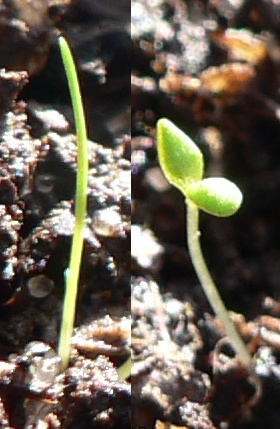
Thin to 6–12 in apart once seedlings are an inch tall — poppies form a taproot quickly and cannot be transplanted after thinning.
- 5
Water sparingly once established — lean, slightly dry soil produces the most flowers.
- 6
Allow a few annual pods to ripen and shatter on the plant so they self-sow for next year.
Common problems growing poppies
⚠ Seeds fail to germinate
Almost always sown too late (after settled warm weather) or buried — scatter on the surface in fall or very early spring while hard frost is still forecasted.
⚠ Transplant failure after thinning
Poppies form a taproot immediately; they cannot be moved once rooted — sow them exactly where they will bloom and discard thinnings.
⚠ Aphids crowding stems and buds
Common as days warm in late spring; knock off with a strong jet of water or allow ground beetles and ladybugs to work.
⚠ Downy mildew on leaves in cool, wet springs
Thin crowded seedlings for airflow and avoid evening watering; the foliage often recovers once drier weather arrives.
✓ Good companions for poppies
✗ Keep away from
🧺 Harvesting poppies
Cut annual poppy stems for vases when the first petal has just unfurled; sear the stem end for 10 seconds in a flame to seal the milky sap before placing in water. Leave remaining pods to mature — the ribbed, blue-grey seed heads of P. somniferum are as ornamental as the flowers, and they self-seed reliably for next year. Oriental poppies vanish underground after blooming; mark their location and plant nearby annuals or late-emerging perennials to fill the summer gap.
Poppies: frequently asked questions
When should you plant poppies?+
In most regions you transplant direct-sow only; Oriental poppies are established from dormant bareroot divisions planted in early fall — or direct sow late fall (after the first killing frost) or 6–8 weeks before last frost while nights are still hard-freezing. Timing is relative to your last frost, so find your USDA hardiness zone for the exact planting dates where you live.
Why won't my poppy seeds germinate?+
Almost always a timing or depth issue. Poppy seeds need light (surface-sow, never bury) and a cold period to break dormancy. Scatter them in fall or very early spring while hard frost is still expected — the freeze-thaw cycle stratifies them naturally. Seeds sown into warm, settled spring soil simply sit dormant until the following spring.
Do poppies come back every year?+
Annual types (Papaver somniferum, Shirley poppies) reseed so freely they appear perennial, returning each year from self-sown seed with virtually no effort. Oriental poppies (P. orientale) are true long-lived perennials that regrow from deep fleshy roots each spring and persist indefinitely.
Sources & review
Written and maintained by the Plants by Zone Editorial Team. Planting times are based on USDA hardiness zones and NOAA frost-date normals, with care guidance drawn from Cooperative Extension sources. Last reviewed June 1, 2026.
USDA Plant Hardiness Zone MapNOAA U.S. climate normalsCooperative Extension
Grow poppies in your zone
See exactly when to plant and what else to grow alongside poppies, tailored to your USDA hardiness zone.


