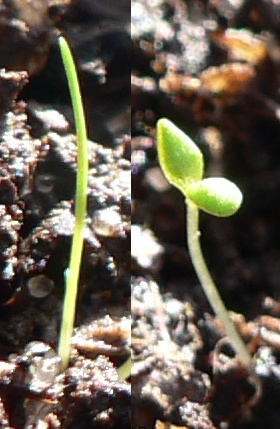
How to Grow Scallions (Green Onions)
Allium fistulosum
Quick-growing, non-bulbing alliums ready in weeks — the easiest onion you can grow.
By the Plants by Zone Editorial Team · Reviewed June 1, 2026
About scallions (green onions)
Scallions are bunching onions (Allium fistulosum) that never form the swollen underground bulb their cousin the storage onion does — they grow in tight clumps of slender, hollow-topped stalks prized for both the crisp white shank and the grassy green tops. Because they skip the long bulb-development stage, they mature in as little as 50 days, making them one of the fastest vegetables in the kitchen garden. Cold-tolerant enough to direct-sow before the last frost and shallow-rooted enough to thrive in containers, they reward succession-sowing with almost uninterrupted harvests from spring through fall.
When to plant and harvest scallions (green onions)
Timing is relative to your frost dates. Find your USDA zone for exact dates, or browse the month-by-month calendars.
Start seeds indoors
4–6 weeks before last frost
Transplant outdoors
2–3 weeks before last frost
Direct sow
3–4 weeks before last frost; succession-sow every 3–4 weeks through summer; again in late summer for a fall crop
Harvest
Spring through fall; year-round in mild climates
Free planting calendar
Put scallions (green onions) on your own planting calendar
Pick your zone, and we'll build a month-by-month sow, transplant & harvest chart with scallions (green onions) already on it — print it or save it as a PDF.
Free · no signup needed
How to grow scallions (green onions) step by step
- 1
Direct-sow ½ in deep in cool, loose soil 3–4 weeks before last frost, or start indoors in shallow trays 4–6 weeks early.
- 2
Thin seedlings to 1–2 in apart once they reach 3 in tall — don't discard the thinnings; they're fully edible.
- 3
Keep soil consistently moist; scallions are shallow-rooted and can wilt within a single hot afternoon if the bed dries out.
- 4
Succession-sow a short row every 3–4 weeks from early spring through midsummer, and again in late summer for fall harvest.
- 5
Harvest by pulling individual stalks when the shank is pencil-thick, or cut the whole clump 1 in above soil level and let it regrow for a second cut.
- 6
In zones 6+, leave a clump in the ground over winter; it multiplies and returns each spring.
Common problems growing scallions (green onions)
⚠ Onion maggots tunneling the shank base
Cover beds with row cover from sowing to harvest and rotate alliums to a new bed each year; larvae overwinter as pupae in the soil.
⚠ Bolting in late spring heat
Triggered by lengthening days after cold weather; harvest promptly once shanks are pencil-thick and choose heat-tolerant bunching varieties for summer sowing.
⚠ Poor germination in warm soil
Scallion seed germinates poorly above 75°F — sow in cool spring or late summer soil, or pre-chill seed overnight in the refrigerator before sowing in warm weather.
⚠ Thrips (silver streaking on leaves)
Reflective mulch and row cover reduce infestation; knock heavy populations off with a strong water spray and avoid planting near onions or leeks where thrips overwinter.
✗ Keep away from
🧺 Harvesting scallions (green onions)
Pull or cut scallions when the white shank is at least ½ in across and the green tops are still bright — waiting until the shank is finger-thick gives more flavor without toughness. If you cut rather than pull, leave an inch of shank and roots in the ground; the clump will regrow for one or two more cuts before quality declines. Store unwashed scallions upright in a glass with a little water in the refrigerator for up to a week, or wrap loosely in a damp towel.
Scallions (Green Onions): frequently asked questions
When should you plant scallions (green onions)?+
In most regions you start seeds indoors 4–6 weeks before last frost, then transplant 2–3 weeks before last frost — or direct sow 3–4 weeks before last frost; succession-sow every 3–4 weeks through summer; again in late summer for a fall crop. Timing is relative to your last frost, so find your USDA hardiness zone for the exact planting dates where you live.
What's the difference between scallions, green onions, and spring onions?+
In most grocery and garden contexts the names are used interchangeably. Botanically, scallions and green onions are Allium fistulosum — true bunching onions that never bulb — while spring onions are young Allium cepa (bulbing onions) pulled before the bulb fully develops. You'll notice a small swollen base on a spring onion that a true scallion lacks.
Can I regrow scallions from the base I bought at the store?+
Yes — stand the root end in about an inch of water in a sunny spot and the green tops will regenerate in a few days. For a longer-term supply, plant the rooted base 1–2 in deep in moist potting mix and harvest the regrowth just as you would garden-grown scallions.
Sources & review
Written and maintained by the Plants by Zone Editorial Team. Planting times are based on USDA hardiness zones and NOAA frost-date normals, with care guidance drawn from Cooperative Extension sources. Last reviewed June 1, 2026.
USDA Plant Hardiness Zone MapNOAA U.S. climate normalsCooperative Extension
Grow scallions (green onions) in your zone
See exactly when to plant and what else to grow alongside scallions (green onions), tailored to your USDA hardiness zone.


