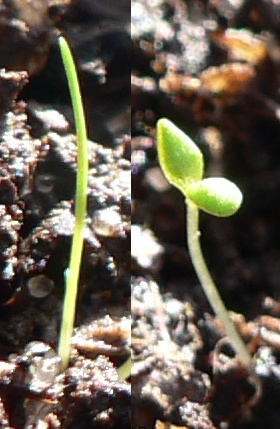
How to Grow Verbena
Verbena × hybrida
Heat-tough, drought-tolerant clusters of color that keep blooming from spring to frost.
By the Plants by Zone Editorial Team · Reviewed June 1, 2026
About verbena
Verbena is one of the most heat-tolerant and continuously-blooming annuals in the American garden, thriving in full sun and dry conditions where many other flowers falter by midsummer. The hybrid trailing types cascade gracefully from containers and hanging baskets; the upright Verbena bonariensis rises to 4 feet with airy purple clusters beloved by butterflies. Both types produce better in lean, well-drained soil than in rich, moist beds — overwatering and overfeeding are the fastest way to kill them.
When to plant and harvest verbena
Timing is relative to your frost dates. Find your USDA zone for exact dates, or browse the month-by-month calendars.
Start seeds indoors
10–12 weeks before last frost; surface-sow on moist medium at 65–70°F
Transplant outdoors
After last frost, once nights stay above 50°F
Direct sow
After last frost in zones 8–11; impractical for spring bloom in northern zones — buy transplants
Harvest
Late spring until hard frost
Free planting calendar
Put verbena on your own planting calendar
Pick your zone, and we'll build a month-by-month sow, transplant & harvest chart with verbena already on it — print it or save it as a PDF.
Free · no signup needed
How to grow verbena step by step
- 1
If starting from seed indoors, surface-sow 10–12 weeks before the last frost and cold-stratify the seed for 7 days in the refrigerator first to break dormancy.
- 2
Transplant after the last frost into a sunny, well-drained spot — raised beds and containers work especially well since drainage is easy to control.
- 3
Space trailing types 12–18 in apart in containers or beds; give upright Verbena bonariensis 18 in to spread.
- 4
Water at the base and allow the soil to dry slightly between waterings — verbena is far more drought-tolerant than rot-tolerant.
- 5
Shear plants back by one-third in midsummer if bloom slows; they will flush with new growth and flowers within 2–3 weeks.
- 6
Feed lightly once a month with a balanced fertilizer; avoid high-nitrogen formulas that push leafy growth at the expense of flowers.
Common problems growing verbena
⚠ Powdery mildew (white coating on leaves)
Caused by poor airflow and overhead watering — space plants adequately, water at the base, and choose mildew-resistant hybrid varieties; the disease is cosmetic and rarely kills the plant.
⚠ Spider mites in hot, dry weather
Fine webbing and stippled leaves are the signs; knock mites off with a strong water spray and apply neem oil or insecticidal soap; keeping plants well-watered during drought reduces stress.
⚠ Leggy plants with few flowers after midsummer
Verbena benefits from a hard shear — cut trailing types back by one-third and upright types by half to reset bloom; flowering resumes strongly in the cooler weeks of late summer.
⚠ Crown rot at the base of the stem
Almost always from overwatering or heavy clay soil; improve drainage, water only when the top inch of soil is dry, and avoid mulching right against the stem.
✗ Keep away from
🧺 Harvesting verbena
Verbena is grown for ornament, not harvest — but its small florets are edible and make delicate garnishes. For cut arrangements, snip stems with several flower clusters in the morning when blooms are freshest; condition in cool water for a few hours. The key cultural tip that functions like a harvest rule: deadhead spent clusters regularly and shear the whole plant hard in midsummer to reset the bloom cycle and maintain compact, vigorous plants all the way to frost.
Verbena: frequently asked questions
When should you plant verbena?+
In most regions you start seeds indoors 10–12 weeks before last frost; surface-sow on moist medium at 65–70°F, then transplant after last frost, once nights stay above 50°F — or direct sow after last frost in zones 8–11; impractical for spring bloom in northern zones — buy transplants. Timing is relative to your last frost, so find your USDA hardiness zone for the exact planting dates where you live.
Does verbena come back every year?+
Hybrid trailing verbena (Verbena × hybrida) is frost-tender and grown as an annual in most of the US — it does not survive freezing. Verbena bonariensis is a short-lived perennial in zones 7–11 and self-sows prolifically almost everywhere, so it effectively reappears from seed each spring even in colder zones once established.
Why is my verbena dying in the middle of summer?+
The most common cause is overwatering or poorly-drained soil, which rots the crown. Verbena wants dry feet — let the soil dry out between waterings. If the plant has merely stopped blooming, a hard shear and light feeding will revive it; true rot shows as blackened, mushy stems at the base and is rarely recoverable.
Sources & review
Written and maintained by the Plants by Zone Editorial Team. Planting times are based on USDA hardiness zones and NOAA frost-date normals, with care guidance drawn from Cooperative Extension sources. Last reviewed June 1, 2026.
USDA Plant Hardiness Zone MapNOAA U.S. climate normalsCooperative Extension
Grow verbena in your zone
See exactly when to plant and what else to grow alongside verbena, tailored to your USDA hardiness zone.


