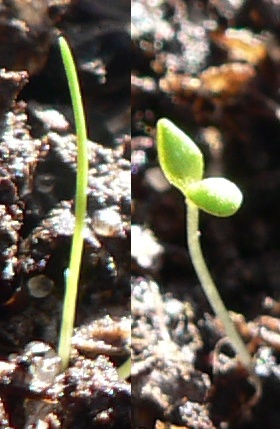
How to Grow Yarrow
Achillea millefolium
Drought-proof perennial powerhouse — flat-topped summer blooms that feed every beneficial insect in the garden.
By the Plants by Zone Editorial Team · Reviewed June 1, 2026
About yarrow
Yarrow is a tough, clump-forming perennial native across North America and Europe that blooms prolifically from late spring through midsummer and often reblooms in fall after deadheading. Its flat-topped flower clusters (corymbs) attract hundreds of beneficial insects — lacewings, hoverflies, and parasitic wasps that actively prey on garden pests — making it one of the most valuable companion plants you can grow. Once established in full sun and well-drained soil, yarrow virtually ignores drought and poor soil, and it comes in a full spectrum of colors from white to deep red and golden yellow.
When to plant and harvest yarrow
Timing is relative to your frost dates. Find your USDA zone for exact dates, or browse the month-by-month calendars.
Start seeds indoors
6–10 weeks before last frost — surface-sow and do not cover (seed needs light)
Transplant outdoors
After last frost; divisions transplant best in early spring or early fall
Direct sow
Early spring (cold-stratify naturally) or fall; press seed lightly onto the soil surface
Harvest
Late spring through late summer; often reblooms in early fall after deadheading
Free planting calendar
Put yarrow on your own planting calendar
Pick your zone, and we'll build a month-by-month sow, transplant & harvest chart with yarrow already on it — print it or save it as a PDF.
Free · no signup needed
How to grow yarrow step by step
- 1
Choose a full-sun site with very well-drained, even lean soil — yarrow is one of the few perennials that performs worse in rich, amended beds.
- 2
Surface-sow seed indoors 6–10 weeks before last frost, pressing it onto moist seed-starting mix without covering (it needs light); or start from divisions or nursery transplants.
- 3
Transplant divisions or seedlings after the last frost, spacing 12–24 in apart — plants spread by shallow rhizomes and fill in quickly.
- 4
Water through the first growing season to help roots establish; once settled in, yarrow can go weeks without rain.
- 5
Deadhead spent flower clusters by cutting back to a lateral bud to encourage a second flush of bloom in late summer to fall.
- 6
Divide clumps every 2–3 years in early spring — remove and discard the depleted woody center and replant the vigorous outer sections.
Common problems growing yarrow
⚠ Floppy, sprawling stems
Almost always caused by rich soil, shade, or excess water. Yarrow stands bolt-upright in lean, dry, sunny conditions; avoid fertilizing. The "Chelsea chop" (cut back by half in late spring) also stiffens stems.
⚠ Powdery mildew on leaves
Common in shaded, humid sites. Move to full sun, improve airflow by dividing congested clumps, and water only at the base.
⚠ Aggressive spreading
Yarrow spreads by shallow rhizomes and can colonize quickly in good soil. Divide and remove outer sections annually, or install a 6–8 in root barrier around the clump.
⚠ Short or no bloom period
Deadhead promptly — cut spent heads back to a lateral bud. Without deadheading, the plant often stops producing new flowers and sets seed early.
✓ Good companions for yarrow
✗ Keep away from
🧺 Harvesting yarrow
Cut stems when three-quarters of the florets on a flower head have opened, leaving at least one-third of the stem intact on the plant. Yarrow dries exceptionally well — hang bunches upside down in a cool, airy spot out of direct sunlight and the flat heads hold shape and color for months. Fresh-cut stems last 7–10 days in a vase. Harvest freely throughout the season; regular cutting keeps the plant productive.
Yarrow: frequently asked questions
When should you plant yarrow?+
In most regions you start seeds indoors 6–10 weeks before last frost — surface-sow and do not cover (seed needs light), then transplant after last frost; divisions transplant best in early spring or early fall — or direct sow early spring (cold-stratify naturally) or fall; press seed lightly onto the soil surface. Timing is relative to your last frost, so find your USDA hardiness zone for the exact planting dates where you live.
Is yarrow invasive?+
It can spread assertively by rhizomes in good garden soil, but it is not considered invasive in most of the US. Divide every 2–3 years and pull runners to keep it in check; lean, dry conditions limit spreading significantly.
Will yarrow grow in poor, dry soil?+
Yes — this is actually where it excels. Lean, well-drained, even gravelly soil keeps stems stiff and upright, limits aggressive spread, and produces the best flower color.
Sources & review
Written and maintained by the Plants by Zone Editorial Team. Planting times are based on USDA hardiness zones and NOAA frost-date normals, with care guidance drawn from Cooperative Extension sources. Last reviewed June 1, 2026.
USDA Plant Hardiness Zone MapNOAA U.S. climate normalsCooperative Extension
Grow yarrow in your zone
See exactly when to plant and what else to grow alongside yarrow, tailored to your USDA hardiness zone.


