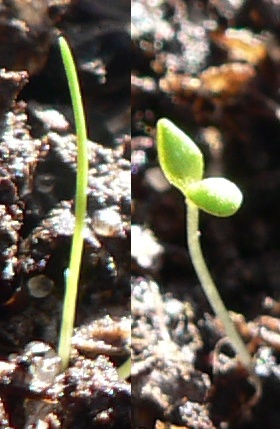
How to Grow Bee Balm
Monarda didyma
A bold North American native that draws hummingbirds and bees with vivid midsummer blooms.
By the Plants by Zone Editorial Team · Reviewed June 1, 2026
About bee balm
Bee balm is a vigorous, clump-forming North American native perennial that erupts in shaggy, two-lipped blooms in vivid reds, pinks, purples, and white from early to midsummer. Its fragrant, minty-oregano foliage can be dried for tea — the Oswego Nation famously brewed it as Oswego tea. It is irresistible to hummingbirds, bumblebees, and butterflies, and a single established clump can fill a substantial border within a few seasons.
When to plant and harvest bee balm
Timing is relative to your frost dates. Find your USDA zone for exact dates, or browse the month-by-month calendars.
Start seeds indoors
8–10 weeks before last frost (use fresh seed — viability drops after one year)
Transplant outdoors
Spring or fall; divisions transplant best in early spring before new growth emerges
Direct sow
Fall-sow for spring germination; early spring sowing is also possible
Harvest
Blooms June–August depending on zone
Free planting calendar
Put bee balm on your own planting calendar
Pick your zone, and we'll build a month-by-month sow, transplant & harvest chart with bee balm already on it — print it or save it as a PDF.
Free · no signup needed
How to grow bee balm step by step
- 1
Plant nursery stock or root divisions in spring or early fall in moist, rich soil in a site with good air circulation.
- 2
Space 18–24 in apart — bee balm spreads by underground rhizomes and needs room to form a healthy clump.
- 3
Mulch around the base to maintain consistent moisture and suppress weeds; do not let the root zone dry out.
- 4
Pinch stem tips in late spring to encourage bushier growth and more flower stems.
- 5
Deadhead spent blooms promptly by cutting down to the next leaf node — this often triggers a second flush in late summer.
- 6
Divide clumps every 2–3 years in early spring: discard the depleted woody center and replant vigorous outer crowns in refreshed soil.
Common problems growing bee balm
⚠ Powdery mildew (white coating on leaves)
Bee balm's most common problem in humid climates. Grow mildew-resistant cultivars ('Jacob Cline', 'Marshall's Delight', 'Raspberry Wine'), space plants 18–24 in apart for airflow, and water at the base rather than overhead.
⚠ Declining center with sparse bloom
Normal for established clumps — bee balm "runs out" from the center after 2–3 years. Divide in early spring, remove the old woody center, and replant the healthy outer sections in freshly amended soil.
⚠ Very short bloom period
Deadhead spent flower heads immediately after they fade; this prevents seed set and often encourages a second wave of bloom six to eight weeks later.
⚠ Spreading into lawn or neighboring beds
Bee balm spreads by shallow rhizomes. Bury a root barrier 6–8 in deep around the clump, or simply cut back and divide the outer edge each spring before it advances.
✓ Good companions for bee balm
✗ Keep away from
🧺 Harvesting bee balm
Cut flower stems for arrangements when the lowest third of the flower head has opened — they hold well in a vase for five to seven days. Fresh leaves steep into an earthy, slightly minty tea with a bergamot-like note; use a generous handful per cup and steep for 10 minutes. Dried leaves and flowers retain their scent and color and are excellent in herbal tea blends, potpourri, or sachets. Harvest leaves freely throughout the growing season — the plants regrow quickly and more frequent harvesting keeps the foliage fresh.
Bee Balm: frequently asked questions
When should you plant bee balm?+
In most regions you start seeds indoors 8–10 weeks before last frost (use fresh seed — viability drops after one year), then transplant spring or fall; divisions transplant best in early spring before new growth emerges — or direct sow fall-sow for spring germination; early spring sowing is also possible. Timing is relative to your last frost, so find your USDA hardiness zone for the exact planting dates where you live.
Does bee balm spread aggressively?+
It does spread by underground rhizomes and can expand several inches each year in good soil. Divide every 2–3 years to keep the clump vigorous and in bounds, or install a buried root barrier around it.
Why does my bee balm always get powdery mildew?+
The species Monarda didyma is notably mildew-prone in humid conditions. Switching to a resistant cultivar like 'Jacob Cline', 'Marshall's Delight', or 'Raspberry Wine' is the most effective fix; pairing that with good spacing (18 in+) and base-only watering reduces it dramatically.
Sources & review
Written and maintained by the Plants by Zone Editorial Team. Planting times are based on USDA hardiness zones and NOAA frost-date normals, with care guidance drawn from Cooperative Extension sources. Last reviewed June 1, 2026.
USDA Plant Hardiness Zone MapNOAA U.S. climate normalsCooperative Extension
Grow bee balm in your zone
See exactly when to plant and what else to grow alongside bee balm, tailored to your USDA hardiness zone.


