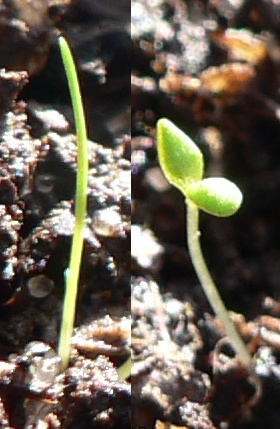
How to Grow Dianthus
Dianthus
Clove-scented, fringed petals in the clearest pinks, reds, and whites — cool-season classics.
By the Plants by Zone Editorial Team · Reviewed June 1, 2026
About dianthus
Dianthus is a large genus of roughly 300 species that includes sweet williams, cottage pinks, carnations, and border dianthus — all sharing the genus's signature serrated or fringed petals and a spicy, clove-like fragrance. They are cool-season performers, blooming most enthusiastically in spring and again in fall when temperatures drop below 75°F. Annual and biennial sweet williams (D. barbatus) flower in their first or second year and are easily grown from seed; perennial cottage pinks (D. plumarius and D. gratianopolitanus) return for years in sharply-drained soil and are among the longest-lived perennials in a well-maintained rock garden or border edge.
When to plant and harvest dianthus
Timing is relative to your frost dates. Find your USDA zone for exact dates, or browse the month-by-month calendars.
Start seeds indoors
8–10 weeks before last frost for spring transplants
Transplant outdoors
2–4 weeks before last frost; tolerates light frost once established
Direct sow
Late summer or fall for spring bloom (mild zones); early spring as soon as soil can be worked
Harvest
Spring and early summer; repeat bloom in fall when temperatures cool
Free planting calendar
Put dianthus on your own planting calendar
Pick your zone, and we'll build a month-by-month sow, transplant & harvest chart with dianthus already on it — print it or save it as a PDF.
Free · no signup needed
How to grow dianthus step by step
- 1
Sow seed indoors on moist medium at 65–70°F, 8–10 weeks before the last frost; surface-sow or press lightly into the medium — seeds germinate in 1–2 weeks.
- 2
Transplant seedlings 2–4 weeks before the last frost; dianthus tolerates a light frost and actually prefers to be set out into cool soil.
- 3
Plant in full sun with excellent drainage — raised beds, rock garden edges, and slopes are ideal; never plant in a low spot where water collects.
- 4
Deadhead spent blooms immediately to prolong the flowering season; once the first flush ends, shear plants by one-third to encourage reblooming in fall.
- 5
Perennial types benefit from division every 2–3 years in early fall, just replanting the vigorous outer rosettes; old centers become woody and bloom less.
Common problems growing dianthus
⚠ Crown rot / Fusarium wilt (plants collapse at the base)
The most common killer; almost always caused by waterlogged soil or mulch piled against the crown. Improve drainage, avoid overhead irrigation, and keep the crown clear of mulch and debris.
⚠ Spent flowers not setting new buds
Heat shuts down blooming above 75°F — this is normal in midsummer. Keep plants deadheaded and watered; they will rebloom strongly once temperatures drop in late summer.
⚠ Aphids clustering on new growth
A strong water spray dislodges most colonies; insecticidal soap is effective for persistent infestations. Ants "farming" aphids will trail up the stems — control ants to slow aphid recolonization.
⚠ Leaf spot (brown rings or blotches on foliage)
Fungal leaf spots are worse with overhead irrigation and poor airflow. Water at the base, space for ventilation, and remove affected foliage; rotate annual dianthus to a new bed each season.
✗ Keep away from
🧺 Harvesting dianthus
Cut dianthus stems for vases when the lowest flower on the stem is fully open but others are still in bud — the stem will continue opening indoors for 7–10 days. Cut in the early morning, make the cut just above a leaf node to encourage branching, and condition stems in cool water for 2–3 hours before arranging. Carnation-type dianthus are among the longest-lasting cut flowers and benefit from a drop of bleach in the vase water to slow bacteria. Deadhead any remaining spent blooms in the garden promptly to direct energy into new bud formation rather than seed set.
Dianthus: frequently asked questions
When should you plant dianthus?+
In most regions you start seeds indoors 8–10 weeks before last frost for spring transplants, then transplant 2–4 weeks before last frost; tolerates light frost once established — or direct sow late summer or fall for spring bloom (mild zones); early spring as soon as soil can be worked. Timing is relative to your last frost, so find your USDA hardiness zone for the exact planting dates where you live.
Is dianthus an annual or perennial?+
It depends on the type. Sweet williams (Dianthus barbatus) are true biennials that flower their second year, but modern varieties bred as annuals bloom the first year. Cottage pinks (D. plumarius) and cheddar pinks (D. gratianopolitanus) are reliable perennials in zones 3–9. Florist carnations (D. caryophyllus) are tender perennials, best grown as annuals outside of zones 8–10.
Why does my dianthus bloom well in spring but not in summer?+
Dianthus is a cool-season bloomer that naturally slows or stops once temperatures exceed 75–80°F. This is not a sign that the plant is failing — shear it back by one-third after the spring flush, keep it watered, and it will rebound with a strong fall bloom as nights cool in late August or September.
Sources & review
Written and maintained by the Plants by Zone Editorial Team. Planting times are based on USDA hardiness zones and NOAA frost-date normals, with care guidance drawn from Cooperative Extension sources. Last reviewed June 1, 2026.
USDA Plant Hardiness Zone MapNOAA U.S. climate normalsCooperative Extension
Grow dianthus in your zone
See exactly when to plant and what else to grow alongside dianthus, tailored to your USDA hardiness zone.


