
September in Zone 1
September in Zone 1 (last frost late may – mid june, first frost late july – mid august). There are 12 crops to sow, transplant, or harvest this month.
Quick answer · Updated October 2026
September is primarily a planning and preparation month in Zone 1 — with the last frost around Late May – mid June, it's too early to sow outdoors. Order seeds, prep beds, and see the checklist below for what to do now.
Jump to another month
- Min Winter Temp
- -60 to -50 °F / -51 to -46 °C
- Last Spring Frost
- Late May – mid June
- First Fall Frost
- Late July – mid August
- Growing Season
- 50–80 days
- Annual Rainfall
- 10–20 in
Gardening in September in Zone 1
By September, Zone 1 has passed its first fall frost (Late July – mid August) and the outdoor season is largely over. It's time for cleanup, mulching, and putting beds to rest — though cold-hardy crops under cover can still produce.
There's little to sow now, but Tomatoes, Peppers, Eggplant, Tomatillos, Sweet corn, and Winter squash & pumpkins should be coming ready in Zone 1 gardens — keep picking to get the most from each plant.
About September in the garden
September is the start of fall and a second growing season for cool-zone gardeners. Temperatures cool to optimal ranges for leafy greens and root vegetables. First frost arrives in cold zones, triggering final harvests.
Direct sowing fall crops; first frost possible in Zones 3–5; harvesting winter squash and pumpkins; planting garlic and spring bulbs; fall clean-up begins.
- Season
- fall
- Temperature trend
- Rapidly cooling in northern zones; first frosts possible in cold areas after mid-month.
- Daylight
- Fall equinox around September 22; days and nights equal, then nights lengthen.
- Zone 1 last frost
- Late May – mid June
- Zone 1 first frost
- Late July – mid August
0
Sow indoors
0
Sow outdoors
0
Transplant
12
Harvest
1
Maintenance
🧺 Harvest
Harvest these now
These crops are coming ripe — pick regularly to keep plants productive.

Pick as fruit colors up; harvest every 2–3 days to keep plants producing.

Pick green or leave to ripen to red/yellow for sweeter flavor.

Harvest while skin is glossy; dull skin means it is past prime.

Pick when fruit fills and splits the papery husk.

Harvest when silks brown and kernels squirt milky juice when pressed.
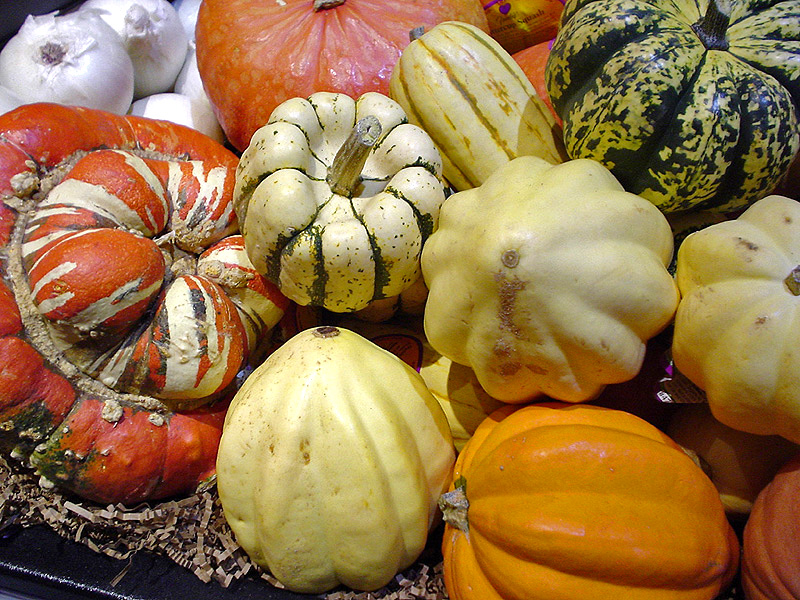
Cure after the rind hardens and resists a thumbnail; harvest before hard frost.

Cantaloupe slips from the vine when ripe; watermelon sounds hollow.

Dig "new" potatoes after flowering; leave the rest until tops die back for storage.

Harvest by pinching just above a leaf pair, which prompts two new branches to form.

Cut outer stems at the base, leaving the central growth to continue.

For cut flowers, snip when the bloom just opens, in the cool morning.

Cut when buds are just opening, taking long stems to encourage branching, and they’ll keep blooming for months.
🛠️ Maintenance
Plan, order seeds, and prep
The ground is cold or frozen — the perfect time for the indoor work that makes spring easier.
📌 Order seeds before favorites sell out, sketch next year's layout and rotations, sharpen and oil tools, and start onions/leeks late in the dormant season.
General September tasks
These apply broadly regardless of zone — a useful checklist alongside the zone-specific tasks above.
- ✓Plant garlic cloves 4–6 weeks before ground freezes
- ✓Direct sow spinach, mâche, and overwintering lettuce varieties
- ✓Harvest winter squash, pumpkins, and dried beans as plants die back
- ✓Plant spring bulbs: tulips, daffodils, hyacinths, crocuses
- ✓Divide and transplant perennials: hostas, daylilies, irises
- ✓Take cuttings of tender perennials to overwinter indoors
- ✓Apply fall fertilizer to lawns and perennial beds
- ✓Begin fall clean-up: remove spent annuals, cut back perennials
⚠ Watch-outs for September
- ⚠First frost warnings in cold zones — protect tender crops or harvest before freeze
- ⚠Don't cut back ornamental grasses or late-season perennials yet — they provide fall habitat
- ⚠Fall is prime time for lawn grubs — apply biological controls (milky spore, nematodes) now
- ⚠Deer browse pressure increases as natural food sources diminish
September in Zone 1: common questions
What can I plant in September in Zone 1?+
September is mainly a planning and preparation month in Zone 1 — the ground is typically too cold for sowing outdoors. Order seeds, start onions and leeks indoors, and prepare beds for the season ahead.
When is the last and first frost in Zone 1?+
Zone 1 typically has its last spring frost around Late May – mid June and its first fall frost around Late July – mid August, giving a growing season of roughly 50–80 days. Always check a local frost-date source, since microclimates vary.
What's ready to harvest in September in Zone 1?+
In September, Zone 1 gardeners are typically harvesting Tomatoes, Peppers, Eggplant, Tomatillos, Sweet corn, Winter squash & pumpkins, Melons, and Potatoes. Pick regularly — frequent harvesting keeps most crops producing longer.