
November in Zone 10
November in Zone 10 (last frost rare or none, first frost rare — december to january in coldest years). There are 8 crops to sow, transplant, or harvest this month.
Quick answer · Updated October 2026
In November, Zone 10 gardeners can plant Celery, Petunias, Impatiens, Geraniums, Begonias, Spinach, Radishes, and Garlic. Zone 10's last frost is around Rare or none and first frost around Rare — December to January in coldest years — the full task list below has exact timing for each crop.
Jump to another month
- Min Winter Temp
- 30 to 40 °F / -1 to 4 °C
- Last Spring Frost
- Rare or none
- First Fall Frost
- Rare — December to January in coldest years
- Growing Season
- Year-round (365 days)
- Annual Rainfall
- 15–65 in
Gardening in November in Zone 10
November reopens the planting season in Zone 10 as the worst heat fades. It's effectively a second spring — time to sow cool-season crops for fall and winter harvests.
The planting focus in Zone 10 this month is Celery, Petunias, Impatiens, Geraniums, Begonias, and Spinach — see the task cards below for exactly how and when to sow each in your conditions.
About November in the garden
November closes the main gardening season in cold zones as the ground approaches freezing. In warm and subtropical zones, November is a productive mid-season month with optimal cool-weather growing conditions. Preparation for winter defines this month in the North.
Final clean-up and mulching in cold zones; active cool-season harvesting in warm zones; ordering bare-root trees and shrubs; tool maintenance.
- Season
- fall
- Temperature trend
- Cold in most of the country; ground may freeze in cold zones by month's end.
- Daylight
- Very short days; approaching the minimum daylight in late November.
- Zone 10 last frost
- Rare or none
- Zone 10 first frost
- Rare — December to January in coldest years
5
Sow indoors
3
Sow outdoors
0
Transplant
0
Harvest
1
Maintenance
🌱 Sow indoors
Start these indoors
Get a jump on the season under lights or on a sunny windowsill so transplants are ready when the weather warms.

Sow seed on the surface or barely covered. Germinates in 14–21 days (slow; needs light).
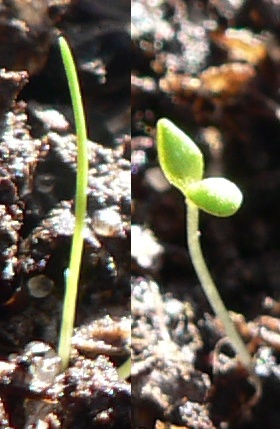
Sow Surface-sow — dust-fine seed needs light to germinate. Germinates in 7–14 days at 70–75°f.
Sow Surface-sow — dust-fine seed needs light to germinate. Germinates in 14–21 days at 70–75°f.
Sow seed on the surface (needs light); transplant at nursery depth. Germinates in 7–14 days at 70–75°f.
Sow Surface-sow seed (needs light); transplant at nursery depth. Germinates in 14–21 days at 70–75°f.
🌿 Sow outdoors
Sow these directly outdoors
Soil and weather are right to sow these straight into the garden where they will grow.


🛠️ Maintenance
Keep the garden growing
Mid-season upkeep keeps plants healthy and productive.
📌 Water deeply and less often, mulch to hold moisture, side-dress heavy feeders, scout for pests, and succession-sow quick crops.
When to plant this month's crops in Zone 10
Full planting calendars — start indoors, transplant, and harvest timing — for the crops you're planting in November.


General November tasks
These apply broadly regardless of zone — a useful checklist alongside the zone-specific tasks above.
- ✓Complete mulching of perennial beds and tree root zones
- ✓Drain and store hoses, irrigation lines, and water features before hard freeze
- ✓Plant bare-root roses, trees, and shrubs in mild-winter zones
- ✓Harvest remaining root vegetables before ground freezes solid
- ✓Apply anti-desiccant sprays to broadleaf evergreens in exposed locations
- ✓Store garden tools after cleaning, sharpening, and oiling
- ✓Submit soil tests for results to plan spring fertilization
- ✓Plant cool-season crops actively in Zones 8–13
⚠ Watch-outs for November
- ⚠Don't leave tender bulbs (dahlias, cannas, elephant ears) in ground in cold zones
- ⚠Mulch applied too early can attract rodents to nest against plant crowns — apply after hard frost
- ⚠Evergreens can suffer winter burn from dry winds — water thoroughly before ground freezes
- ⚠Check tree ties and staking to ensure they won't girdle trunks over winter
November in Zone 10: common questions
What can I plant in November in Zone 10?+
In November, Zone 10 gardeners can sow or transplant Celery, Petunias, Impatiens, Geraniums, Begonias, Spinach, Radishes, and Garlic. November in Zone 10 (last frost rare or none, first frost rare — december to january in coldest years). There are 8 crops to sow, transplant, or harvest this month.
When is the last and first frost in Zone 10?+
Zone 10 typically has its last spring frost around Rare or none and its first fall frost around Rare — December to January in coldest years, giving a growing season of roughly 330–365 days. Always check a local frost-date source, since microclimates vary.
What garden jobs matter most in November in Zone 10?+
Focus on complete mulching of perennial beds and tree root zones, drain and store hoses, irrigation lines, and water features before hard freeze, plant bare-root roses, trees, and shrubs in mild-winter zones. Watch out for don't leave tender bulbs (dahlias, cannas, elephant ears) in ground in cold zones.