Best Plants for Full Shade in Zone 13
Flowers, shrubs, vegetables, and herbs for full shade (less than 3 hours of direct sun daily) in Zone 13.
Change sun exposure
Full Shade gardening in Zone 13
In Zone 13's hot, nearly frost-free climate, deep shade is a welcome refuge from relentless sun. Lush foliage plants, shade shrubs, and groundcovers grow almost year-round, and shaded beds hold moisture far better than sun-baked ones.
The plants below are grouped by type — vegetables, herbs, fruits, flowers, and shrubs — that suit full shade (less than 3 hours of direct sun daily). When choosing shrubs and perennials, stick to those rated hardy in Zone 13 so they return year after year.
What is full shade?
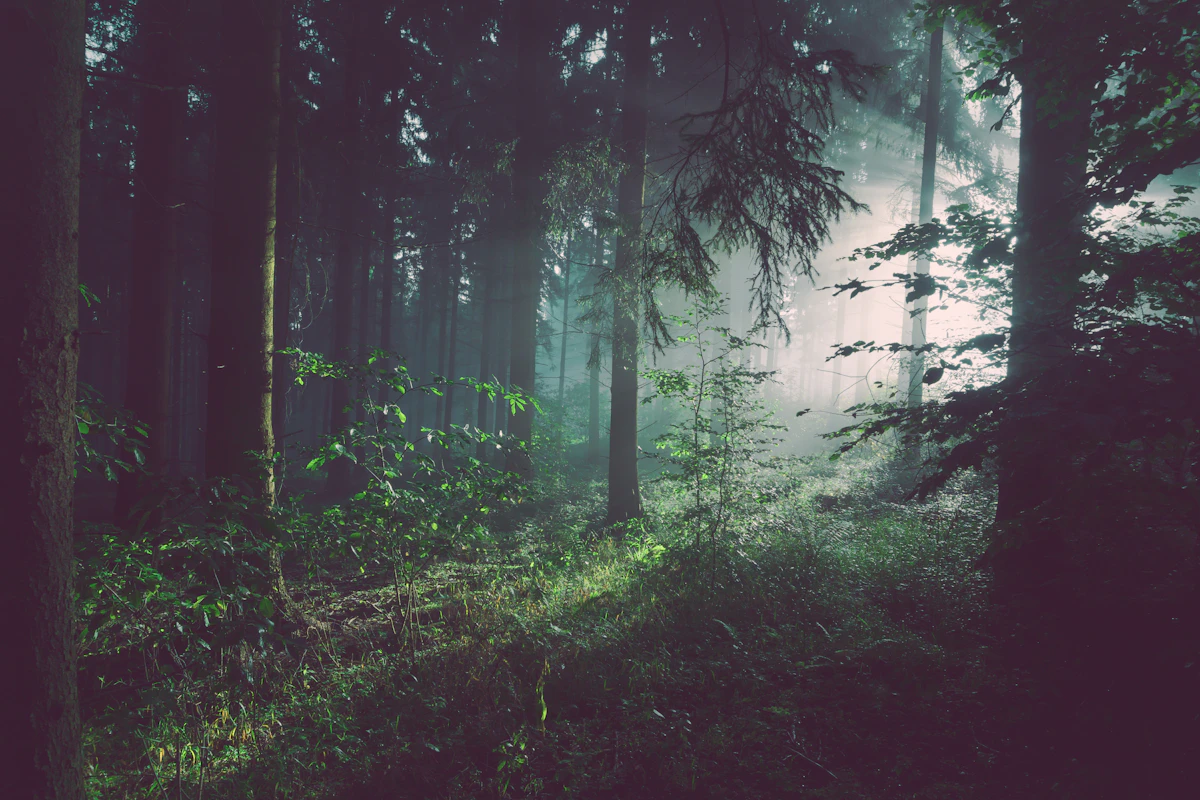
Full shade means fewer than 3 hours of direct sun per day. While challenging for most food crops, shade gardens can be lush and productive with the right plant choices.
Full shade doesn't mean nothing will grow — it means you need to choose plants specifically adapted to low-light conditions. Many groundcovers, ferns, hostas, and woodland plants not only tolerate full shade but thrive in it. For food production, full shade is limiting but not impossible: some herbs (especially mint and sorrel), a few leafy greens, and edible wild plants like ramps and wood sorrel grow in deep shade. The most common challenge with full shade in gardens is not just low light but also competition from tree roots and dry soil under tree canopies. Raised beds or containers can help bypass root competition while allowing shade-tolerant plants to grow.
🌑 Full Shade in Zone 13
- Daily sunlight
- Less than 3 hours of direct sun daily
- Zone 13 frost window
- None → None
- Climate
- Tropical Hot — Hawaii (lowest elevations), Guam, American Samoa
Best plants for full shade in Zone 13
🥦 Vegetables
🌿 Herbs
🍓 Fruits & Berries
🌸 Flowers
Shrubs & woody plants
Tips for full shade gardening in Zone 13
- 1
Test actual light levels before writing off a shady space — shade varies dramatically between dappled light under sparse trees and solid shade next to a north-facing wall.
- 2
Focus on ornamental groundcovers and woodland plants rather than forcing vegetables in truly shaded spots.
- 3
Use containers to allow repositioning — move plants to better light for part of the day.
- 4
Paint walls or fences white to reflect available light back into shaded beds.
- 5
Remove lower limbs from shade trees to increase light levels while maintaining canopy.
- 6
Build soil fertility aggressively — compost, biochar, organic matter
- 7
Grow traditional Pacific staples: breadfruit, taro, coconut, banana