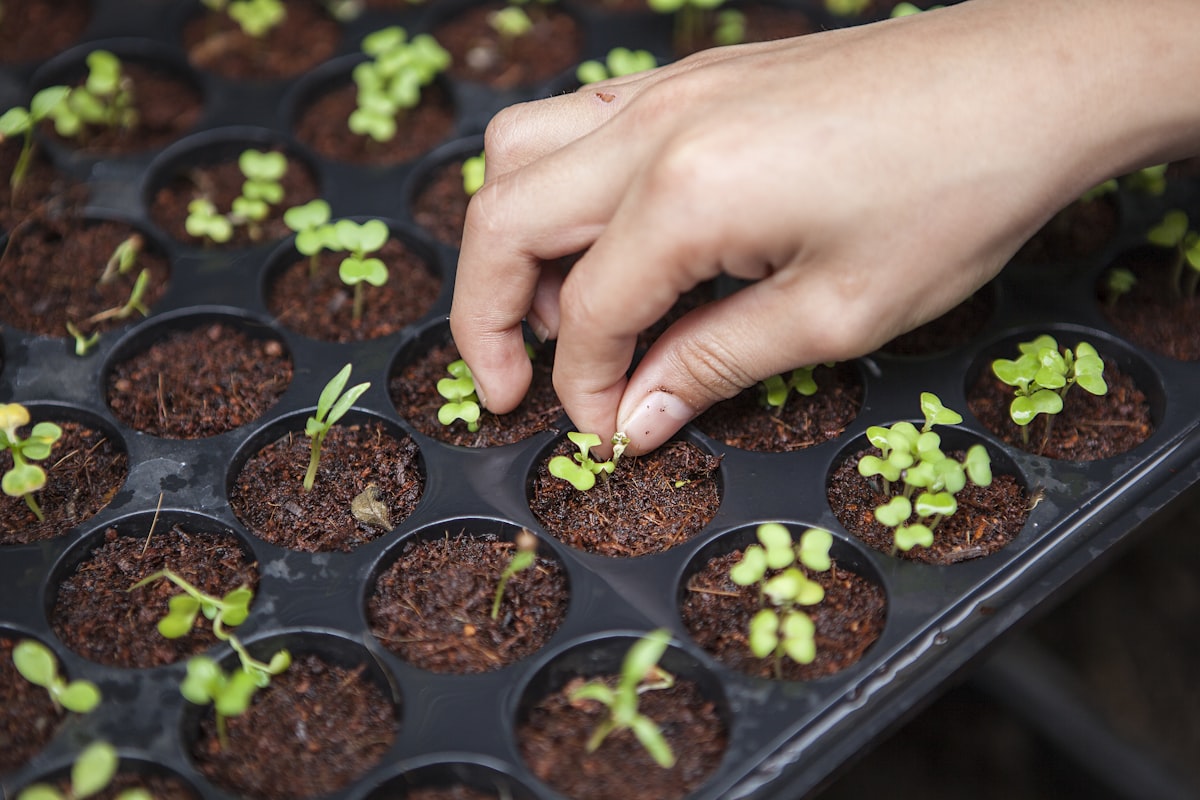
July in Zone 5
July in Zone 5: peak summer harvest. Harvest cucumbers and beans daily. Begin fall planning.
Quick answer · Updated October 2026
In July, Zone 5 gardeners can plant Broccoli, Cabbage, Kale, Kohlrabi, and Carrots. It's also time to harvest Cucumbers, Beans, Summer squash, Zucchini, and Garlic. Zone 5's last frost is around Late April – early May and first frost around Early – mid October — the full task list below has exact timing for each crop.
Jump to another month
- Min Winter Temp
- -20 to -10 °F / -29 to -23 °C
- Last Spring Frost
- Late April – early May
- First Fall Frost
- Early – mid October
- Growing Season
- 150–180 days
- Annual Rainfall
- 25–50 in
Gardening in July in Zone 5
July is peak growing season in Zone 5. With a frost-free stretch running roughly Late April – early May to Early – mid October — about 150–180 days — the garden is in full swing, balancing succession sowing with steady harvests.
This month, Zone 5 gardeners are getting Broccoli, Cabbage, Kale, Kohlrabi, and Carrots into the ground or under lights while harvesting Cucumbers, Beans, Summer squash, Zucchini, and Garlic from earlier plantings. The task cards below give spacing, depth, and timing for each.
About July in the garden
July is the peak of summer heat and productivity. Gardens need consistent water and pest monitoring. The first tomatoes and cucumbers arrive in quantity. Fall planning begins in cool and temperate zones.
Peak harvest of beans, cucumbers, and summer squash; first ripe tomatoes; planting fall crops in cool zones; irrigation management dominates garden time.
- Season
- summer
- Temperature trend
- Hottest month in most of the US; heat stress on cool-season crops and some warm-season crops.
- Daylight
- Daylight begins slowly decreasing after solstice; still very long days (13–15 hours).
- Zone 5 last frost
- Late April – early May
- Zone 5 first frost
- Early – mid October
4
Sow indoors
1
Sow outdoors
0
Transplant
5
Harvest
0
Maintenance
🌱 Sow indoors
Start fall broccoli and cabbage transplants indoors

Sow ¼ inch deep; transplant at 4–6 weeks when 4–5 inches tall; space 18 inches apart.

Sow ¼ inch deep; harden off well before transplanting; space 12–18 inches apart.

Sow ¼ inch deep directly or in trays; very cold-hardy; direct sow works well in cool soil.

Sow ¼ inch deep; harvest when 2–3 inches in diameter for best texture.
🌿 Sow outdoors
Direct sow fall carrots (mid-July for October harvest)

Sow ¼ inch deep in loose, deep soil; mix with sand for even distribution; thin to 3 inches.
🧺 Harvest
Harvest cucumbers, beans, and summer squash regularly

Sow 2 seeds per cell ½ inch deep; thin to one seedling; transplant carefully to avoid root disturbance.

Sow 1–2 inches deep, 4 inches apart after soil reaches 60°F; do not pre-soak.

Sow 1 inch deep in individual pots; direct sow is preferred once soil hits 60°F.

Sow 1 inch deep, 1 seed per large cell; transplant at true-leaf stage — roots are sensitive.
Harvest garlic when lower leaves brown
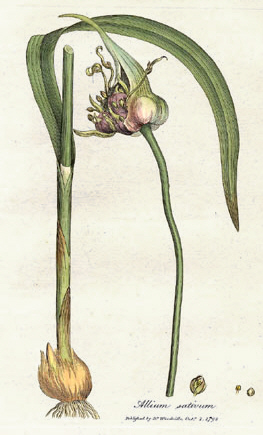
Plant cloves pointed-end up, 2 inches deep and 6 inches apart; mulch with straw.
When to plant this month's crops in Zone 5
Full planting calendars — start indoors, transplant, and harvest timing — for the crops you're planting in July.


General July tasks
These apply broadly regardless of zone — a useful checklist alongside the zone-specific tasks above.
- ✓Harvest cucumbers, beans, and summer squash every 2–3 days to keep plants producing
- ✓Direct sow fall brassica crops: broccoli, cabbage, kale (cold and temperate zones)
- ✓Start fall tomato transplants indoors (Zone 9–10)
- ✓Deep water fruit trees and berry bushes in heat
- ✓Harvest and dry herbs before they flower
- ✓Apply second application of granular fertilizer to heavy feeders
- ✓Pull spent cool-season crops and replant with warm-season crops or cover crop
- ✓Harvest garlic when bottom leaves brown; cure in warm, airy location
⚠ Watch-outs for July
- ⚠Heat stress causes tomatoes to drop blossoms and lose flavor — mulch and water consistently
- ⚠Powdery mildew starts on squash, cucumbers, and phlox in July — treat at first sign
- ⚠Squash vine borers emerge in most zones — check stem bases and treat if found
- ⚠Water early in the morning to reduce evaporation and fungal disease
July in Zone 5: common questions
What can I plant in July in Zone 5?+
In July, Zone 5 gardeners can sow or transplant Broccoli, Cabbage, Kale, Kohlrabi, and Carrots. July in Zone 5: peak summer harvest. Harvest cucumbers and beans daily. Begin fall planning.
When is the last and first frost in Zone 5?+
Zone 5 typically has its last spring frost around Late April – early May and its first fall frost around Early – mid October, giving a growing season of roughly 150–180 days. Always check a local frost-date source, since microclimates vary.
What's ready to harvest in July in Zone 5?+
In July, Zone 5 gardeners are typically harvesting Cucumbers, Beans, Summer squash, Zucchini, and Garlic. Pick regularly — frequent harvesting keeps most crops producing longer.