
March in Zone 6
March in Zone 6 (last frost mid april – early may, first frost mid october – early november). There are 55 crops to sow, transplant, or harvest this month.
Quick answer · Updated October 2026
In March, Zone 6 gardeners can plant Tomatoes, Tomatillos, Broccoli, Cabbage, Basil, Marigolds, Pumpkins, and Watermelon. Zone 6's last frost is around Mid April – early May and first frost around Mid October – early November — the full task list below has exact timing for each crop.
Jump to another month
- Min Winter Temp
- -10 to 0 °F / -23 to -18 °C
- Last Spring Frost
- Mid April – early May
- First Fall Frost
- Mid October – early November
- Growing Season
- 180–210 days
- Annual Rainfall
- 30–55 in
Gardening in March in Zone 6
In Zone 6, March sits just ahead of the average last frost (Mid April – early May). This is the critical indoor seed-starting window: warm-season crops need these weeks under lights to be transplant-ready the moment the soil warms.
The planting focus in Zone 6 this month is Tomatoes, Tomatillos, Broccoli, Cabbage, Basil, and Marigolds — see the task cards below for exactly how and when to sow each in your conditions.
About March in the garden
March is the month of transition. Cold-zone gardeners begin direct sowing the hardiest crops; warm-zone gardeners are in full spring planting mode. Spring equinox brings equal day and night, and soil temperatures begin to rise significantly.
Direct sowing peas, spinach, and lettuce in cold zones; transplanting tomatoes and peppers in Zone 9–10; pruning and dividing perennials; preparing beds.
- Season
- spring
- Temperature trend
- Rapidly warming in most regions; significant week-to-week temperature changes.
- Daylight
- Spring equinox (around March 20); days and nights are equal length, then days lengthen rapidly.
- Zone 6 last frost
- Mid April – early May
- Zone 6 first frost
- Mid October – early November
19
Sow indoors
23
Sow outdoors
13
Transplant
0
Harvest
1
Maintenance
🌱 Sow indoors
Start these indoors
Get a jump on the season under lights or on a sunny windowsill so transplants are ready when the weather warms.

Sow ¼ in deep in cell trays; keep at 70–75°F. Germinates in 7–10 days.

Sow ¼ in deep at 70°F; treat like tomatoes.

Sow ¼ in deep; ready to transplant in 4–6 weeks at 4–5 in tall.

Sow ¼ in deep; harden off well before setting out.

Surface-sow under lights at 70°F; very frost-tender.

Sow ¼ in deep; quick and reliable from seed.

Sow 1 in deep. Germinates in 7–10 days in warm soil.

Sow 1 in deep. Germinates in 5–10 days in warm soil.

Sow ¼–½ in deep. Germinates in 5–10 days.

Sow 1/4–1/2 in deep. Germinates in 4–7 days.
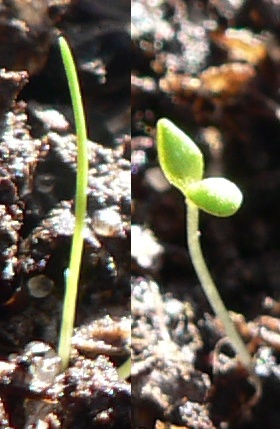
Sow Surface-sow only — seeds need light to germinate. Germinates in 7–14 days.
Sow ¼–½ in deep. Germinates in 7–14 days.
Sow ½ in deep. Germinates in 7–14 days.
Sow ¼ in deep. Germinates in 5–14 days.
Sow 1/4 in deep. Germinates in 7–14 days.

Sow ¼–½ in deep. Germinates in 4–7 days.
Sow Surface sow — seeds need light; press gently without covering. Germinates in 7–14 days at 70–75°f.

Sow 1½–2 in deep. Germinates in 7–14 days.

Sow Surface-sow; needs light to germinate — press seed gently into moist soil without covering. Germinates in 7–14 days at 55–70°f.
🌿 Sow outdoors
Sow these directly outdoors
Soil and weather are right to sow these straight into the garden where they will grow.

Sow 1 in deep, 2 in apart as soon as soil is workable; trellis tall types.

Surface-sow and barely cover; succession-sow every 2 weeks for a steady supply.

Sow ½ in deep in cold soil; bolts fast once days lengthen and warm.

Sow ½ in deep, thin to 1 in. Ready in just 3–4 weeks — great for kids and impatient gardeners.

Sow ¼ in deep in loose, stone-free soil; keep surface moist until sprouts appear (2–3 weeks).

Sow ½ in deep; each "seed" is a cluster, so thin to 3 in. Eat the thinnings as greens.

Sow ¼ in deep or transplant; extremely cold-hardy.
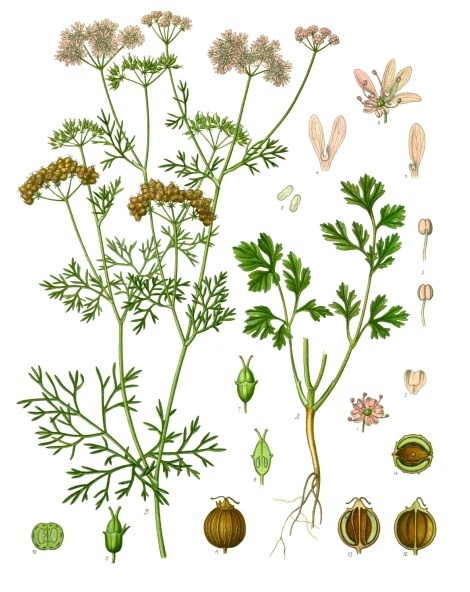
Sow ½ in deep; succession-sow — it bolts quickly in heat.

Soak seed, sow 1 in deep in cool soil, and give them something to climb.

Direct-sow ¼–½ in deep, spacing 2–4 in apart.

Direct-sow ¼ in; transplant into deep holes, spacing 6 in apart.

Direct-sow ¼ in deep, spacing 4–6 in apart.
Direct-sow ¼–½ in deep, spacing 6 in apart.

Direct-sow ½ in deep, spacing 3–4 in apart.
Direct-sow ¼ in deep, spacing 6–12 in apart.
Direct-sow 1/4–1/2 in deep, spacing 4–6 in apart (baby) or 10–12 in (full-size).

Direct-sow ¼ in deep, spacing 8–12 in apart.
Direct-sow Surface-sow only — seeds need light to germinate, spacing 6–8 in apart.
Direct-sow ¼ in deep, spacing 8–12 in apart.
Direct-sow 1/4 in deep, spacing 6–12 in apart.
Direct-sow ¼–½ in deep, spacing 4–6 in (baby leaf) to 12 in (full-size heads).
Direct-sow Nick or soak seed for 24 hours before sowing to break the hard coat; sow ¼–½ in deep, spacing 18–24 in apart.
Direct-sow Surface-sow; needs light to germinate — press seed gently into moist soil without covering, spacing 6–8 in apart.
🪴 Transplant
Transplant these into the garden
Move hardened-off seedlings into their final beds.
Transplant while still cool; space 18 in apart. Heat ruins the heads.
Transplant 12–18 in apart into firm soil while weather is still cool.

Set out pencil-thick seedlings (or sets) 4 in apart as soon as soil is workable.

Set out 18–24 in apart, in full sun (6+ hours).
Set out 6 in apart, in full sun (6+ hours).
Set out 4–6 in apart (baby) or 10–12 in (full-size), in full sun to part shade (4–6+ hours).

Set out 6–12 in apart, in full sun to part shade (6 hours; some afternoon shade in heat).

Set out 6–8 in apart, in full sun to part shade (4–6 hours).
Set out 8–12 in apart, in full sun (6+ hours); tolerates light shade.
Set out 4–6 in (baby leaf) to 12 in (full-size heads), in full sun to part shade (4–6+ hours).
Set out 18–24 in apart, in part shade to full sun; thrives in dappled light and tolerates deeper shade better than almost any other tall flower.
Set out 4–6 in apart, in rows 18–24 in wide, in full sun to partial shade.
Set out 6–8 in apart, in full sun to partial shade; afternoon shade in hot climates extends the bloom season.
🛠️ Maintenance
Harden off and prep beds
Zone 6's last frost lands around now (Mid April – early May).
📌 Harden off indoor seedlings over 7–10 days, work compost into beds, and keep frost cloth handy for surprise late freezes.
When to plant this month's crops in Zone 6
Full planting calendars — start indoors, transplant, and harvest timing — for the crops you're planting in March.


General March tasks
These apply broadly regardless of zone — a useful checklist alongside the zone-specific tasks above.
- ✓Direct sow peas, spinach, and lettuce outdoors once soil is workable
- ✓Start cucumbers, melons, and squash indoors (3–4 weeks before last frost)
- ✓Divide and transplant summer-blooming perennials
- ✓Apply compost or aged manure to vegetable beds
- ✓Plant shallots, onion sets, and bare-root strawberries
- ✓Set up cold frames and row covers for early crops
- ✓Begin hardening off seedlings started indoors
- ✓Plant cool-season annuals: pansies, snapdragons
⚠ Watch-outs for March
- ⚠Frost is still possible in most zones through March; protect transplants
- ⚠Soil may still be too wet and cold for many seeds — test by squeezing a handful
- ⚠Late snowfall can flatten young seedlings outdoors; have covers ready
- ⚠Slugs and snails become active early in spring; set bait or traps
March in Zone 6: common questions
What can I plant in March in Zone 6?+
In March, Zone 6 gardeners can sow or transplant Tomatoes, Tomatillos, Broccoli, Cabbage, Basil, Marigolds, Pumpkins, and Watermelon. March in Zone 6 (last frost mid april – early may, first frost mid october – early november). There are 55 crops to sow, transplant, or harvest this month.
When is the last and first frost in Zone 6?+
Zone 6 typically has its last spring frost around Mid April – early May and its first fall frost around Mid October – early November, giving a growing season of roughly 180–210 days. Always check a local frost-date source, since microclimates vary.
What garden jobs matter most in March in Zone 6?+
Focus on direct sow peas, spinach, and lettuce outdoors once soil is workable, start cucumbers, melons, and squash indoors (3–4 weeks before last frost), divide and transplant summer-blooming perennials. Watch out for frost is still possible in most zones through march; protect transplants.