
🌿 Herbs for Zone 7
The best herbs to grow in Zone 7 — with variety tips, planting times, and care notes.
Browse other categories
Growing herbs in Zone 7
Zone 7 suits a broad herb garden — hardy perennials like thyme, sage, oregano, and chives overwinter outdoors, while annuals such as basil and cilantro flourish through the warm months. Most culinary herbs do beautifully here with sun and good drainage.
The herbs below grow well in Zone 7. Use the zone's frost dates — last frost Late March – mid April, first frost Mid October – mid November — to time sowing and transplanting right.
Herbs are among the highest-value crops by square foot and among the easiest to grow. Most culinary herbs prefer well-drained soil and at least partial sun. Annual herbs like basil are direct-sown each season; perennial herbs like rosemary and thyme return year after year in mild zones.
Zone 7 at a glance
- Last frost
- Late March – mid April
- First frost
- Mid October – mid November
- Climate
- Mild — Mid-South, Pacific Coast, Southern Appalachians
- Soil notes
- Highly variable. Southeast soils are often red clay, acidic, and low in organic matter. Pacific Northwest soils tend to be rich, dark, and moisture-retentive. Both benefit from compost.
Popular herbs for Zone 7

Annual; needs warmth and full sun. Pinch flowers to extend harvest.

Perennial in Zone 7+; drought-tolerant once established.

Hardy perennial in most zones; low-growing and drought-tolerant.

Biennial grown as annual; tolerates partial shade.

Perennial; among the easiest herbs to grow.
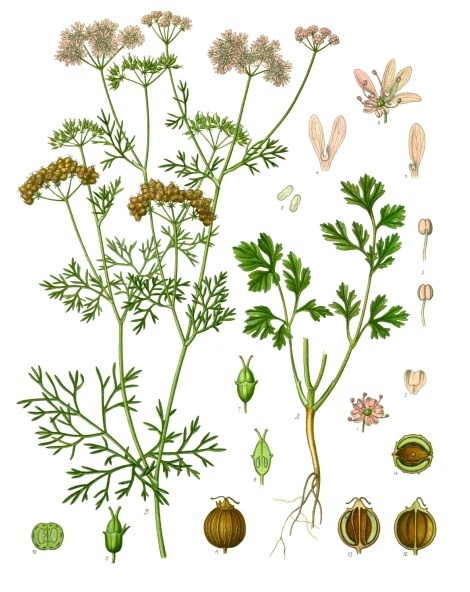
Cool-season annual; bolts quickly in heat. Succession-sow.

Annual; self-seeds freely. Avoid planting near fennel.

Perennial in Zone 5+; intensifies in flavour when dry.

Perennial; invasive — grow in containers.

Perennial in Zone 5+; requires excellent drainage.
Tips for growing herbs in Zone 7
- 1
Don't over-fertilise herbs — rich soil reduces essential oil concentration and flavour.
- 2
Harvest regularly to prevent flowering (bolting), which turns leaves bitter.
- 3
Group drought-tolerant herbs (rosemary, thyme, sage) together and moisture-loving herbs (basil, mint, parsley) separately.
- 4
Mint spreads aggressively — always grow it in containers.
- 5
Plant cool-season crops in September for fall/winter harvest
- 6
Overwinter kale, spinach, chard, and leeks without protection