
🌿 Herbs for Zone 1
The best herbs to grow in Zone 1 — with variety tips, planting times, and care notes.
Browse other categories
Growing herbs in Zone 1
In Zone 1, the herb garden leans on annuals and the toughest perennials. Tender perennials like rosemary won't survive Zone 1 winters outdoors, so grow them in pots to bring inside; hardy thyme, chives, mint, and oregano return reliably. Annual basil, dill, and cilantro thrive once the soil warms after Late May – mid June.
The herbs below grow well in Zone 1. Use the zone's frost dates — last frost Late May – mid June, first frost Late July – mid August — to time sowing and transplanting right.
Herbs are among the highest-value crops by square foot and among the easiest to grow. Most culinary herbs prefer well-drained soil and at least partial sun. Annual herbs like basil are direct-sown each season; perennial herbs like rosemary and thyme return year after year in mild zones.
Zone 1 at a glance
- Last frost
- Late May – mid June
- First frost
- Late July – mid August
- Climate
- Extreme Cold — Alaska Interior & High Mountain Peaks
- Soil notes
- Permafrost or shallow, acidic soils common; raised beds with imported soil are standard practice.
Popular herbs for Zone 1

Annual; needs warmth and full sun. Pinch flowers to extend harvest.

Perennial in Zone 7+; drought-tolerant once established.

Hardy perennial in most zones; low-growing and drought-tolerant.

Biennial grown as annual; tolerates partial shade.

Perennial; among the easiest herbs to grow.
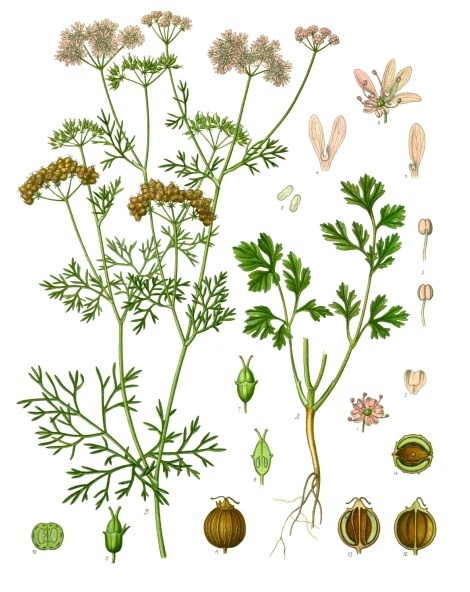
Cool-season annual; bolts quickly in heat. Succession-sow.

Annual; self-seeds freely. Avoid planting near fennel.

Perennial in Zone 5+; intensifies in flavour when dry.

Perennial; invasive — grow in containers.

Perennial in Zone 5+; requires excellent drainage.
Tips for growing herbs in Zone 1
- 1
Don't over-fertilise herbs — rich soil reduces essential oil concentration and flavour.
- 2
Harvest regularly to prevent flowering (bolting), which turns leaves bitter.
- 3
Group drought-tolerant herbs (rosemary, thyme, sage) together and moisture-loving herbs (basil, mint, parsley) separately.
- 4
Mint spreads aggressively — always grow it in containers.
- 5
Use raised beds filled with imported soil mix to bypass permafrost
- 6
Start all vegetables indoors 6–8 weeks before last frost