
🍓 Fruits & Berries for Zone 1
The best fruits to grow in Zone 1 — with variety tips, planting times, and care notes.
Browse other categories
Growing fruits in Zone 1
Fruit growing in Zone 1 is defined by winter cold. Hardy berries — raspberries, currants, and cold-tough blueberries — plus cold-hardy apples and plums are your best bets, while tender fruits like figs and peaches need protection or simply won't survive. Choose the most cold-hardy varieties rated for Zone 1.
The fruits below are popular, dependable picks — but since many are perennial, always confirm a variety is rated hardy to Zone 1 before planting, so it survives the winter (last frost around Late May – mid June).
Fruit crops are a long-term investment in your garden. Tree fruits take several years to bear well; berry crops like strawberries and raspberries produce in their first or second year. Most fruits require adequate chill hours in winter to break dormancy — one of the most critical factors to match to your zone.
Zone 1 at a glance
- Last frost
- Late May – mid June
- First frost
- Late July – mid August
- Climate
- Extreme Cold — Alaska Interior & High Mountain Peaks
- Soil notes
- Permafrost or shallow, acidic soils common; raised beds with imported soil are standard practice.
Popular fruits for Zone 1

June-bearing and everbearing varieties; grow in most zones.

Summer-bearing and fall-bearing; thrive in Zones 3–8.

Need acidic soil (pH 4.5–5.5) and 2+ varieties.

Very wide zone range; select varieties matched to chill hours.
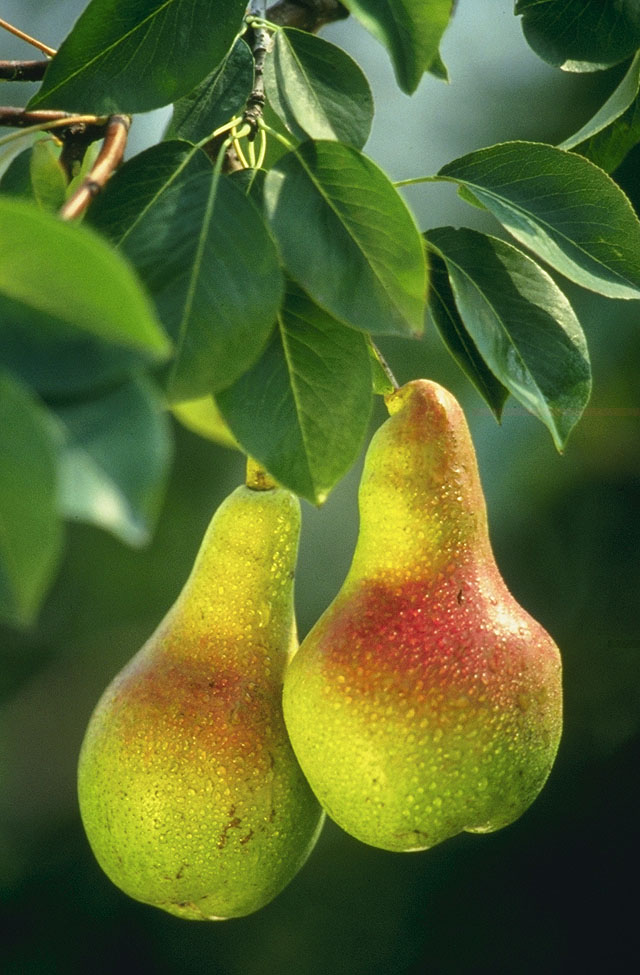
Hardy and productive; Asian pears need less chill.

Best in Zones 5–9; require warm summers and good drainage.
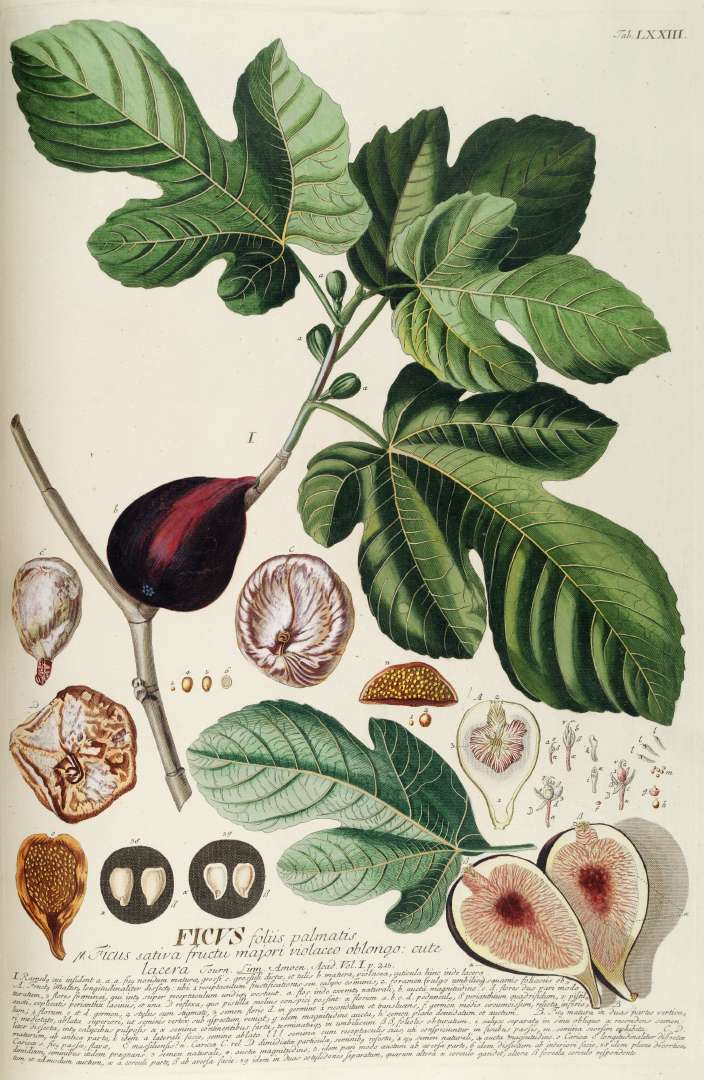
Hardy to Zone 7; produce without pollination.

Wide range; need full sun and good air circulation.

Vigorous; thorny or thornless varieties available.

Shade-tolerant; excellent in cool-climate zones.
Tips for growing fruits in Zone 1
- 1
Check chill hour requirements before buying fruit trees — planting a high-chill apple in Zone 9 will result in poor fruiting.
- 2
Most tree fruits need at least two compatible varieties for cross-pollination.
- 3
Mulch the root zone of fruit trees with 3–4 inches to conserve moisture and regulate soil temperature.
- 4
Thin excess fruit in late spring to improve size and reduce branch breakage.
- 5
Use raised beds filled with imported soil mix to bypass permafrost
- 6
Start all vegetables indoors 6–8 weeks before last frost