
🍓 Fruits & Berries for Zone 11
The best fruits to grow in Zone 11 — with variety tips, planting times, and care notes.
Browse other categories
Growing fruits in Zone 11
Zone 11's heat opens the door to subtropical fruit like figs and citrus, while most traditional tree fruits get too little winter chill to fruit well. Lean into low-chill and heat-loving varieties suited to Zone 11.
The fruits below are popular, dependable picks — but since many are perennial, always confirm a variety is rated hardy to Zone 11 before planting, so it survives the winter (last frost around None).
Fruit crops are a long-term investment in your garden. Tree fruits take several years to bear well; berry crops like strawberries and raspberries produce in their first or second year. Most fruits require adequate chill hours in winter to break dormancy — one of the most critical factors to match to your zone.
Zone 11 at a glance
- Last frost
- None
- First frost
- None
- Climate
- Tropical — Florida Keys, Hawaii, Southernmost California
- Soil notes
- Florida Keys soils are thin, alkaline, and often sit directly on coral rock. Container gardening and raised beds are common. Hawaii has rich volcanic soils in wet areas; dry leeward coasts have thin, rocky soils.
Popular fruits for Zone 11

June-bearing and everbearing varieties; grow in most zones.

Summer-bearing and fall-bearing; thrive in Zones 3–8.

Need acidic soil (pH 4.5–5.5) and 2+ varieties.

Very wide zone range; select varieties matched to chill hours.
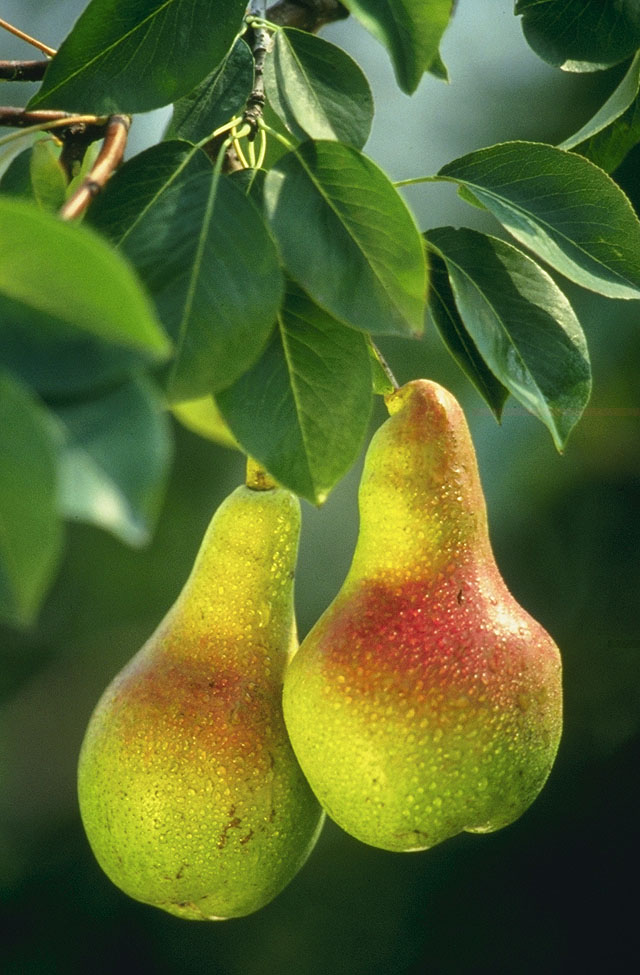
Hardy and productive; Asian pears need less chill.

Best in Zones 5–9; require warm summers and good drainage.
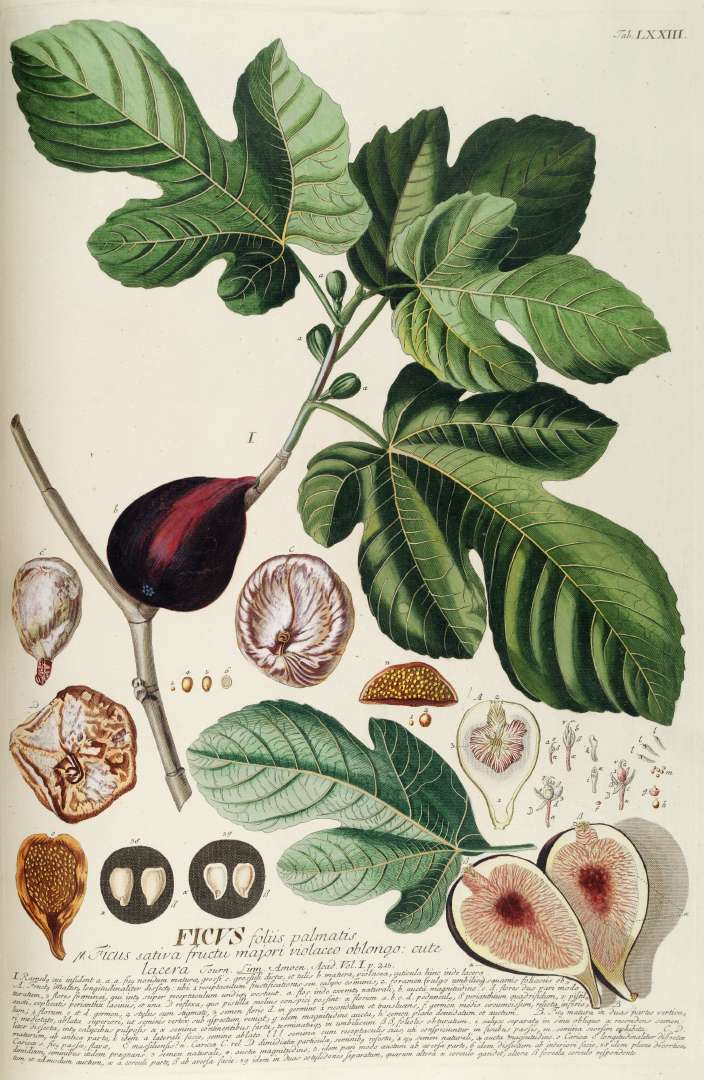
Hardy to Zone 7; produce without pollination.

Wide range; need full sun and good air circulation.

Vigorous; thorny or thornless varieties available.

Shade-tolerant; excellent in cool-climate zones.
Tips for growing fruits in Zone 11
- 1
Check chill hour requirements before buying fruit trees — planting a high-chill apple in Zone 9 will result in poor fruiting.
- 2
Most tree fruits need at least two compatible varieties for cross-pollination.
- 3
Mulch the root zone of fruit trees with 3–4 inches to conserve moisture and regulate soil temperature.
- 4
Thin excess fruit in late spring to improve size and reduce branch breakage.
- 5
Use container gardening to manage poor soils in the Keys
- 6
Focus on tropical staples: breadfruit, taro, sweet potato, cassava