
December in Zone 12
December in Zone 12 (last frost none, first frost none). There are 18 crops to sow, transplant, or harvest this month.
Quick answer · Updated October 2026
In December, Zone 12 gardeners can plant Tomatoes, Tomatillos, Broccoli, Cabbage, Basil, Marigolds, Peas, and Lettuce. Zone 12 is frost-free — the full task list below has timing for each crop.
Jump to another month
- Min Winter Temp
- 50 to 60 °F / 10 to 16 °C
- Last Spring Frost
- None
- First Fall Frost
- None
- Growing Season
- Year-round (365 days)
- Annual Rainfall
- 20–100 in
Gardening in December in Zone 12
In Zone 12, December falls in the prime cool-season window. Unlike colder zones, your strongest growing happens now: mild temperatures let you plant a wide range of vegetables that would struggle in the summer heat.
The planting focus in Zone 12 this month is Tomatoes, Tomatillos, Broccoli, Cabbage, Basil, and Marigolds — see the task cards below for exactly how and when to sow each in your conditions.
About December in the garden
December is the quietest month in cold-zone gardens. Planning, education, and equipment preparation fill the time. In warm zones, cool-season gardens are fully active and the holiday season includes fresh garden harvests. The winter solstice marks the turning point toward longer days.
Garden planning and seed catalog browsing in cold zones; active harvesting in warm zones; holiday greens; equipment maintenance; reflection and planning for the year ahead.
- Season
- winter
- Temperature trend
- Coldest period begins; winter solstice (shortest day) around December 21.
- Daylight
- Shortest days of the year; winter solstice around December 21 marks the turning point.
- Zone 12 last frost
- None
- Zone 12 first frost
- None
6
Sow indoors
9
Sow outdoors
3
Transplant
0
Harvest
1
Maintenance
🌱 Sow indoors
Start these indoors
Get a jump on the season under lights or on a sunny windowsill so transplants are ready when the weather warms.

Sow ¼ in deep in cell trays; keep at 70–75°F. Germinates in 7–10 days.

Sow ¼ in deep at 70°F; treat like tomatoes.

Sow ¼ in deep; ready to transplant in 4–6 weeks at 4–5 in tall.

Sow ¼ in deep; harden off well before setting out.

Surface-sow under lights at 70°F; very frost-tender.

Sow ¼ in deep; quick and reliable from seed.
🌿 Sow outdoors
Sow these directly outdoors
Soil and weather are right to sow these straight into the garden where they will grow.

Sow 1 in deep, 2 in apart as soon as soil is workable; trellis tall types.

Surface-sow and barely cover; succession-sow every 2 weeks for a steady supply.

Sow ½ in deep in cold soil; bolts fast once days lengthen and warm.

Sow ½ in deep, thin to 1 in. Ready in just 3–4 weeks — great for kids and impatient gardeners.

Sow ¼ in deep in loose, stone-free soil; keep surface moist until sprouts appear (2–3 weeks).

Sow ½ in deep; each "seed" is a cluster, so thin to 3 in. Eat the thinnings as greens.

Sow ¼ in deep or transplant; extremely cold-hardy.
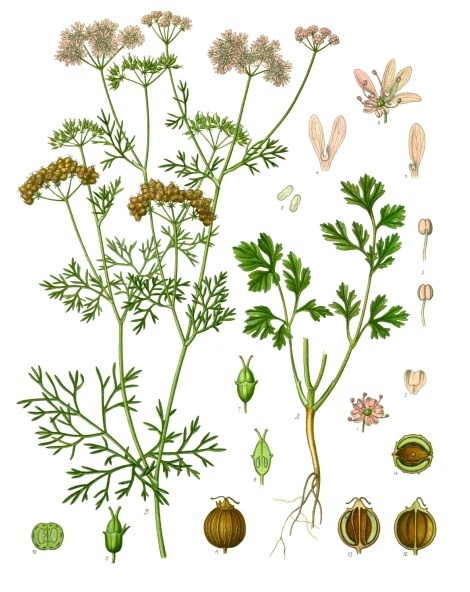
Sow ½ in deep; succession-sow — it bolts quickly in heat.

Soak seed, sow 1 in deep in cool soil, and give them something to climb.
🪴 Transplant
Transplant these into the garden
Move hardened-off seedlings into their final beds.

🛠️ Maintenance
Harden off and prep beds
Zone 12's last frost lands around now (None).
📌 Harden off indoor seedlings over 7–10 days, work compost into beds, and keep frost cloth handy for surprise late freezes.
When to plant this month's crops in Zone 12
Full planting calendars — start indoors, transplant, and harvest timing — for the crops you're planting in December.


General December tasks
These apply broadly regardless of zone — a useful checklist alongside the zone-specific tasks above.
- ✓Review what worked and what didn't in this year's garden — take notes
- ✓Browse seed catalogs and create wish list for next season
- ✓Clean, sharpen, and oil all garden tools before storage
- ✓Service lawn mower and garden equipment
- ✓Harvest fresh winter vegetables in warm zones (Zones 8–13)
- ✓Force spring bulbs indoors for winter bloom: paperwhites, amaryllis
- ✓Order bare-root trees, roses, and fruit plants for late winter planting
- ✓Repot and refresh houseplants; take cuttings of favorite tender plants
⚠ Watch-outs for December
- ⚠Monitor cold frames and low tunnels during cold snaps — ventilate on warm days
- ⚠Salt and ice-melt products damage nearby plants — use sand or kitty litter instead
- ⚠Holiday plants (poinsettia, cyclamen) need cool, bright locations to last through the season
- ⚠Check stored produce (potatoes, squash, apples) and remove any showing rot
December in Zone 12: common questions
What can I plant in December in Zone 12?+
In December, Zone 12 gardeners can sow or transplant Tomatoes, Tomatillos, Broccoli, Cabbage, Basil, Marigolds, Peas, and Lettuce. December in Zone 12 (last frost none, first frost none). There are 18 crops to sow, transplant, or harvest this month.
Does Zone 12 get frost?+
No — Zone 12 is frost-free year-round. Instead of frost dates, planting follows the tropical seasons: a hot, wet season (roughly May–October) for tropical staples, and a cooler, drier season (roughly November–April) that is the main window for temperate vegetables.
What garden jobs matter most in December in Zone 12?+
Focus on review what worked and what didn't in this year's garden — take notes, browse seed catalogs and create wish list for next season, clean, sharpen, and oil all garden tools before storage. Watch out for monitor cold frames and low tunnels during cold snaps — ventilate on warm days.