
January in Zone 12
January in Zone 12 (last frost none, first frost none). There are 23 crops to sow, transplant, or harvest this month.
Quick answer · Updated October 2026
In January, Zone 12 gardeners can plant Bush beans, Sweet corn, Cucumbers, Zucchini & summer squash, Winter squash & pumpkins, Melons, Okra, and Swiss chard. It's also time to harvest Lettuce, Spinach, and Radishes. Zone 12 is frost-free — the full task list below has timing for each crop.
Jump to another month
- Min Winter Temp
- 50 to 60 °F / 10 to 16 °C
- Last Spring Frost
- None
- First Fall Frost
- None
- Growing Season
- Year-round (365 days)
- Annual Rainfall
- 20–100 in
Gardening in January in Zone 12
In Zone 12, January falls in the prime cool-season window. Unlike colder zones, your strongest growing happens now: mild temperatures let you plant a wide range of vegetables that would struggle in the summer heat.
This month, Zone 12 gardeners are getting Bush beans, Sweet corn, Cucumbers, Zucchini & summer squash, Winter squash & pumpkins, and Melons into the ground or under lights while harvesting Lettuce, Spinach, and Radishes from earlier plantings. The task cards below give spacing, depth, and timing for each.
About January in the garden
January is the heart of winter in most of the US. For gardeners in cold zones, it is a time for planning, seed ordering, and soil improvement. In warm southern zones, winter vegetables are actively growing and some early planting is underway.
Ordering seeds from catalogs, planning garden layouts, pruning dormant trees and shrubs, starting onion and leek seeds indoors in cold zones, harvesting winter vegetables in Zones 8–13.
- Season
- winter
- Temperature trend
- Coldest month of the year in most regions; average temperatures at seasonal low.
- Daylight
- Shortest days; daylight is slowly increasing from the winter solstice.
- Zone 12 last frost
- None
- Zone 12 first frost
- None
0
Sow indoors
13
Sow outdoors
7
Transplant
3
Harvest
1
Maintenance
🌿 Sow outdoors
Sow these directly outdoors
Soil and weather are right to sow these straight into the garden where they will grow.

Sow 1 in deep, 3 in apart once soil hits 60°F. Do not start indoors — beans hate transplanting.

Sow 1–1½ in deep in blocks of 4+ rows (not single rows) for wind pollination; thin to 8–12 in.

Sow 1 in deep once soil is 65°F+; provide a trellis to save space and keep fruit clean.

Sow 1 in deep, 24–36 in apart in warm soil. One or two plants feeds a family.
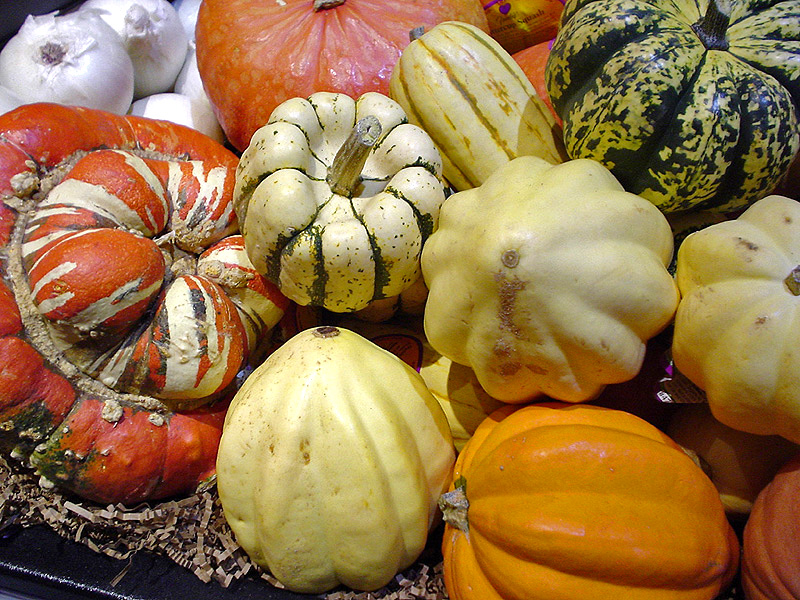
Sow 1 in deep in hills; give vines 4–6 ft to roam.

Sow ½–1 in deep in hills once soil is 70°F+; melons demand heat.

Soak seed overnight; sow ½ in deep in hot soil (75°F+). Thrives in summer heat.

Sow ½ in deep, thin to 6 in. Tolerates both spring cold and summer heat.

Plant seed-potato pieces (one eye each) 4 in deep; hill soil over stems as they grow.

Direct-sow ¼ in deep where it will stay — dill resents transplanting.

Direct-sow ¼ in deep after frost; the easiest cut flower and a pollinator magnet.

Sow 1 in deep where they will grow; stagger sowings for continuous blooms.

Direct-sow ¼ in deep in poor-to-average soil; too much fertility means leaves, not flowers.
🪴 Transplant
Transplant these into the garden
Move hardened-off seedlings into their final beds.

Transplant once nights stay above 50°F; bury two-thirds of the stem, space 24–36 in apart.

Wait for warm soil (65°F+); space 18 in apart. Cold sets peppers back hard.

Transplant into the warmest bed you have; space 18–24 in apart.

Plant at least TWO for pollination; space 3 ft apart.

Wait for warm nights; pinch tops to keep it bushy and delay flowering.

Transplant around the last frost; tolerates cold well.

Plant among vegetables — they help deter some pests.
🧺 Harvest
Harvest these now
These crops are coming ripe — pick regularly to keep plants productive.


🛠️ Maintenance
Harden off and prep beds
Zone 12's last frost lands around now (None).
📌 Harden off indoor seedlings over 7–10 days, work compost into beds, and keep frost cloth handy for surprise late freezes.
When to plant this month's crops in Zone 12
Full planting calendars — start indoors, transplant, and harvest timing — for the crops you're planting in January.


General January tasks
These apply broadly regardless of zone — a useful checklist alongside the zone-specific tasks above.
- ✓Order seeds from catalogs and plan crop rotations
- ✓Inventory stored seeds and discard those past their viability window
- ✓Start onion and leek seeds indoors (cold zones)
- ✓Prune dormant fruit trees and grape vines
- ✓Apply dormant oil sprays to fruit trees before buds swell
- ✓Sharpen and oil garden tools
- ✓Turn compost pile if not frozen
- ✓Plan raised bed improvements and new garden layouts
⚠ Watch-outs for January
- ⚠Protect brassicas and root vegetables from hard freezes in Zones 7–8 with row covers
- ⚠Check overwintering bulbs in storage for rot or desiccation
- ⚠Avoid walking on frozen or waterlogged soil — it compacts severely
- ⚠Monitor houseplants for pests that thrive in dry indoor winter conditions
January in Zone 12: common questions
What can I plant in January in Zone 12?+
In January, Zone 12 gardeners can sow or transplant Bush beans, Sweet corn, Cucumbers, Zucchini & summer squash, Winter squash & pumpkins, Melons, Okra, and Swiss chard. January in Zone 12 (last frost none, first frost none). There are 23 crops to sow, transplant, or harvest this month.
Does Zone 12 get frost?+
No — Zone 12 is frost-free year-round. Instead of frost dates, planting follows the tropical seasons: a hot, wet season (roughly May–October) for tropical staples, and a cooler, drier season (roughly November–April) that is the main window for temperate vegetables.
What's ready to harvest in January in Zone 12?+
In January, Zone 12 gardeners are typically harvesting Lettuce, Spinach, and Radishes. Pick regularly — frequent harvesting keeps most crops producing longer.