
February in Zone 13
February in Zone 13 (last frost none, first frost none). There are 5 crops to sow, transplant, or harvest this month.
Quick answer · Updated October 2026
In frost-free Zone 13, February falls in the hot off-season — most temperate vegetables struggle now. Focus on heat-tolerant tropical staples and prep beds for the main October–February planting window; see the checklist below.
Jump to another month
- Min Winter Temp
- 60 to 70 °F / 16 to 21 °C
- Last Spring Frost
- None
- First Fall Frost
- None
- Growing Season
- Year-round (365 days)
- Annual Rainfall
- 40–200 in
Gardening in February in Zone 13
In Zone 13, February falls in the prime cool-season window. Unlike colder zones, your strongest growing happens now: mild temperatures let you plant a wide range of vegetables that would struggle in the summer heat.
There's little to sow now, but Peas, Beets, Kale & collards, Cilantro, and Sweet peas should be coming ready in Zone 13 gardens — keep picking to get the most from each plant.
About February in the garden
February brings the first hints of awakening in gardens. Seed starting picks up in cold zones; warm zones begin direct sowing and transplanting warm-season crops. Days are noticeably lengthening, driving early bulb and shrub growth.
Starting tomatoes, peppers, and eggplant indoors in cold zones (Zones 3–6); direct sowing cool-season crops in Zones 8–10; pruning roses; chitting potatoes.
- Season
- winter
- Temperature trend
- Still cold but temperatures begin to rise in most regions; first warm spells in the South.
- Daylight
- Daylight increasing noticeably; gaining about 2 minutes per day in most latitudes.
- Zone 13 last frost
- None
- Zone 13 first frost
- None
0
Sow indoors
0
Sow outdoors
0
Transplant
5
Harvest
1
Maintenance
🧺 Harvest
Harvest these now
These crops are coming ripe — pick regularly to keep plants productive.

Pick snap/snow pods young; shell peas when pods are plump.

Pull roots while small to medium for the sweetest, most tender beets; large ones can turn woody.

Pick lower leaves and let the plant keep growing from the top.
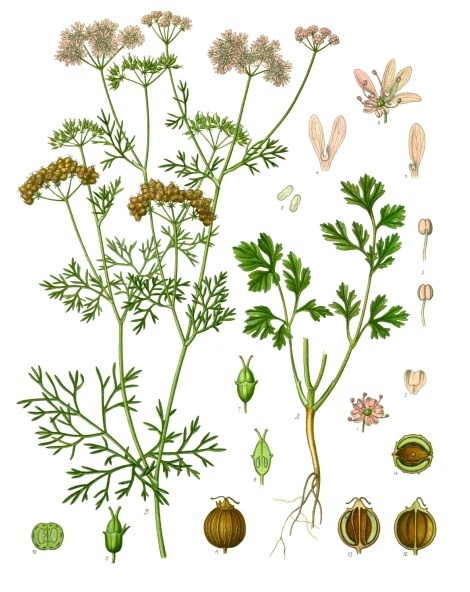
Snip outer leaves once plants are 4–6 in tall, taking no more than a third at a time.

Cut sweet peas when the lowest one or two florets on a stem are open and pick every two or three days — frequent harvesting and deadheading is the secret to weeks of bloom, since any seed pods that form signal the plant to stop.
🛠️ Maintenance
Keep the garden growing
Mid-season upkeep keeps plants healthy and productive.
📌 Water deeply and less often, mulch to hold moisture, side-dress heavy feeders, scout for pests, and succession-sow quick crops.
General February tasks
These apply broadly regardless of zone — a useful checklist alongside the zone-specific tasks above.
- ✓Start tomatoes, peppers, and eggplant indoors 8–10 weeks before last frost (cold zones)
- ✓Direct sow cool-season crops outdoors in Zones 8–10
- ✓Prune roses once forsythia begins to bloom (traditional timing cue)
- ✓Apply late dormant oil sprays before buds break on fruit trees
- ✓Begin chitting (sprouting) seed potatoes indoors
- ✓Fertilize spring-blooming bulbs as they emerge
- ✓Direct sow sweet peas outdoors in mild climates
- ✓Transplant bare-root trees and shrubs while dormant
⚠ Watch-outs for February
- ⚠Late hard freezes are common — don't rush transplanting in cold zones
- ⚠Seedlings started indoors need supplemental light (12–16 hrs) to avoid stretching
- ⚠Wet February soils compact easily; wait for soil to dry before working
- ⚠Fruit trees breaking dormancy early are vulnerable to late frost — have covers ready
February in Zone 13: common questions
What can I plant in February in Zone 13?+
In frost-free Zone 13, February falls in the hot off-season — most temperate vegetables struggle in the heat. Focus on heat-tolerant tropical staples and prepare beds for the main October–February planting window.
Does Zone 13 get frost?+
No — Zone 13 is frost-free year-round. Instead of frost dates, planting follows the tropical seasons: a hot, wet season (roughly May–October) for tropical staples, and a cooler, drier season (roughly November–April) that is the main window for temperate vegetables.
What's ready to harvest in February in Zone 13?+
In February, Zone 13 gardeners are typically harvesting Peas, Beets, Kale & collards, Cilantro, and Sweet peas. Pick regularly — frequent harvesting keeps most crops producing longer.