
April in Zone 2
April in Zone 2 (last frost late may – early june, first frost mid august – early september). There are 6 crops to sow, transplant, or harvest this month.
Quick answer · Updated October 2026
In April, Zone 2 gardeners can plant Peppers, Eggplant, Onions, Parsley, and Cauliflower. It's also time to harvest Garlic. Zone 2's last frost is around Late May – early June and first frost around Mid August – early September — the full task list below has exact timing for each crop.
Jump to another month
- Min Winter Temp
- -50 to -40 °F / -46 to -40 °C
- Last Spring Frost
- Late May – early June
- First Fall Frost
- Mid August – early September
- Growing Season
- 75–100 days
- Annual Rainfall
- 12–25 in
Gardening in April in Zone 2
April is the depth of winter in Zone 2. With the last spring frost not due until around Late May – early June, the garden is dormant and the real work is planning — ordering seeds, sketching beds, and starting only the longest-season crops indoors.
This month, Zone 2 gardeners are getting Peppers, Eggplant, Onions, Parsley, and Cauliflower into the ground or under lights while harvesting Garlic from earlier plantings. The task cards below give spacing, depth, and timing for each.
About April in the garden
April is peak planting season for cold and temperate zones. Soil is workable, temperatures are consistently above freezing in most areas, and the full complement of cool-season crops can go in. Warm zones are transitioning to summer crops.
Transplanting broccoli, cabbage, and cauliflower in cold zones; direct sowing beets, carrots, and chard; planting potatoes; last frost passes in Zones 7–8.
- Season
- spring
- Temperature trend
- Warming steadily; last frost dates pass for Zones 7 and 8 in most locations.
- Daylight
- Days are significantly longer than nights; about 13–14 hours of daylight in mid-latitudes.
- Zone 2 last frost
- Late May – early June
- Zone 2 first frost
- Mid August – early September
5
Sow indoors
0
Sow outdoors
0
Transplant
1
Harvest
1
Maintenance
🌱 Sow indoors
Start these indoors
Get a jump on the season under lights or on a sunny windowsill so transplants are ready when the weather warms.

Sow ⅛ in deep at 80°F on a heat mat. Slow to sprout (14–21 days) — start early.

Sow ¼ in deep at 80°F; needs steady warmth for 8 weeks indoors.

Sow ¼ in deep in trays; keep tops trimmed to 3 in for stocky transplants. Choose day-length type for your latitude.

Soak seed overnight; slow to germinate (3 weeks). Surface-sow under lights.

Sow ¼–½ in deep. Germinates in 5–10 days.
🧺 Harvest
Harvest these now
These crops are coming ripe — pick regularly to keep plants productive.
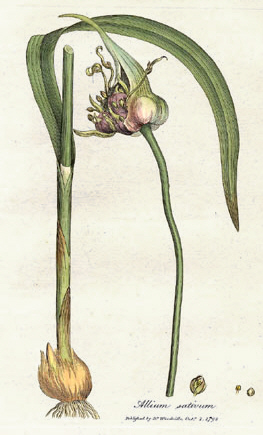
Dig (don’t pull) when roughly half the leaves have browned but five or six remain green.
🛠️ Maintenance
Plan, order seeds, and prep
The ground is cold or frozen — the perfect time for the indoor work that makes spring easier.
📌 Order seeds before favorites sell out, sketch next year's layout and rotations, sharpen and oil tools, and start onions/leeks late in the dormant season.
When to plant this month's crops in Zone 2
Full planting calendars — start indoors, transplant, and harvest timing — for the crops you're planting in April.


General April tasks
These apply broadly regardless of zone — a useful checklist alongside the zone-specific tasks above.
- ✓Direct sow beets, carrots, parsnips, and chard
- ✓Transplant broccoli, cabbage, and cauliflower starts
- ✓Plant potatoes once soil reaches 45°F
- ✓Sow herb seeds outdoors: dill, cilantro, parsley
- ✓Install soaker hoses and drip irrigation before beds fill in
- ✓Top-dress lawns and garden beds with compost
- ✓Prune spring-blooming shrubs immediately after bloom
- ✓Direct sow annual wildflower mixes
⚠ Watch-outs for April
- ⚠Frost is still possible in Zones 3–6 through April; keep row covers handy
- ⚠Don't transplant warm-season crops outdoors before last frost date
- ⚠Newly direct-sown seeds dry out quickly in warm April sun — water consistently
- ⚠Aphids and other soft-bodied insects appear early in spring; monitor and treat
April in Zone 2: common questions
What can I plant in April in Zone 2?+
In April, Zone 2 gardeners can sow or transplant Peppers, Eggplant, Onions, Parsley, and Cauliflower. April in Zone 2 (last frost late may – early june, first frost mid august – early september). There are 6 crops to sow, transplant, or harvest this month.
When is the last and first frost in Zone 2?+
Zone 2 typically has its last spring frost around Late May – early June and its first fall frost around Mid August – early September, giving a growing season of roughly 75–100 days. Always check a local frost-date source, since microclimates vary.
What's ready to harvest in April in Zone 2?+
In April, Zone 2 gardeners are typically harvesting Garlic. Pick regularly — frequent harvesting keeps most crops producing longer.