
May in Zone 2
May in Zone 2 (last frost late may – early june, first frost mid august – early september). There are 33 crops to sow, transplant, or harvest this month.
Quick answer · Updated October 2026
In May, Zone 2 gardeners can plant Tomatoes, Tomatillos, Broccoli, Cabbage, Basil, Marigolds, Brussels Sprouts, and Chamomile. Zone 2's last frost is around Late May – early June and first frost around Mid August – early September — the full task list below has exact timing for each crop.
Jump to another month
- Min Winter Temp
- -50 to -40 °F / -46 to -40 °C
- Last Spring Frost
- Late May – early June
- First Fall Frost
- Mid August – early September
- Growing Season
- 75–100 days
- Annual Rainfall
- 12–25 in
Gardening in May in Zone 2
In Zone 2, May sits just ahead of the average last frost (Late May – early June). This is the critical indoor seed-starting window: warm-season crops need these weeks under lights to be transplant-ready the moment the soil warms.
The planting focus in Zone 2 this month is Tomatoes, Tomatillos, Broccoli, Cabbage, Basil, and Marigolds — see the task cards below for exactly how and when to sow each in your conditions.
About May in the garden
May is the last frost month for most of the US and the traditional time to transplant warm-season vegetables. Gardens are at peak spring beauty, and the shift from cool-season to warm-season crops is in full swing.
Transplanting tomatoes, peppers, cucumbers, and melons in most zones; last frost passes in Zones 5–6; warm-zone gardeners are harvesting spring crops and planting summer succession crops.
- Season
- spring
- Temperature trend
- Warm and pleasant in most regions; last frosts typically occur in early-to-mid May in cold zones.
- Daylight
- Long days; approximately 14–15 hours of daylight in mid-latitudes.
- Zone 2 last frost
- Late May – early June
- Zone 2 first frost
- Mid August – early September
13
Sow indoors
15
Sow outdoors
5
Transplant
0
Harvest
1
Maintenance
🌱 Sow indoors
Start these indoors
Get a jump on the season under lights or on a sunny windowsill so transplants are ready when the weather warms.

Sow ¼ in deep in cell trays; keep at 70–75°F. Germinates in 7–10 days.

Sow ¼ in deep at 70°F; treat like tomatoes.

Sow ¼ in deep; ready to transplant in 4–6 weeks at 4–5 in tall.

Sow ¼ in deep; harden off well before setting out.

Surface-sow under lights at 70°F; very frost-tender.

Sow ¼ in deep; quick and reliable from seed.

Sow ¼–½ in deep. Germinates in 5–10 days.
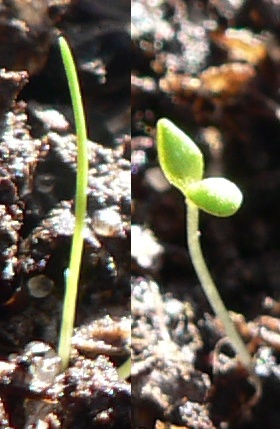
Sow Surface-sow only — seeds need light to germinate. Germinates in 7–14 days.
Sow ¼–½ in deep. Germinates in 7–14 days.
Sow ½ in deep. Germinates in 7–14 days.
Sow 1/4 in deep. Germinates in 7–14 days.
Sow Surface sow — seeds need light; press gently without covering. Germinates in 7–14 days at 70–75°f.

Sow Surface-sow; needs light to germinate — press seed gently into moist soil without covering. Germinates in 7–14 days at 55–70°f.
🌿 Sow outdoors
Sow these directly outdoors
Soil and weather are right to sow these straight into the garden where they will grow.

Sow 1 in deep, 2 in apart as soon as soil is workable; trellis tall types.

Surface-sow and barely cover; succession-sow every 2 weeks for a steady supply.

Sow ½ in deep in cold soil; bolts fast once days lengthen and warm.

Sow ½ in deep, thin to 1 in. Ready in just 3–4 weeks — great for kids and impatient gardeners.

Sow ¼ in deep in loose, stone-free soil; keep surface moist until sprouts appear (2–3 weeks).
Fall carrots sweeten after frost — sow midsummer for autumn harvest.

Sow ½ in deep; each "seed" is a cluster, so thin to 3 in. Eat the thinnings as greens.

Sow ¼ in deep or transplant; extremely cold-hardy.
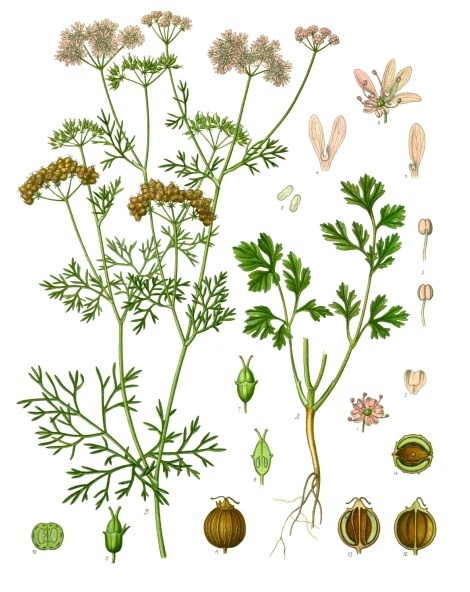
Sow ½ in deep; succession-sow — it bolts quickly in heat.

Soak seed, sow 1 in deep in cool soil, and give them something to climb.

Direct-sow ¼–½ in deep, spacing 2–4 in apart.

Direct-sow ½ in deep, spacing 3–4 in apart.
Direct-sow Surface-sow only — seeds need light to germinate, spacing 6–8 in apart.
Direct-sow 1/4 in deep, spacing 6–12 in apart.
Direct-sow Surface-sow; needs light to germinate — press seed gently into moist soil without covering, spacing 6–8 in apart.
🪴 Transplant
Transplant these into the garden
Move hardened-off seedlings into their final beds.
Transplant while still cool; space 18 in apart. Heat ruins the heads.
Transplant 12–18 in apart into firm soil while weather is still cool.

Set out pencil-thick seedlings (or sets) 4 in apart as soon as soil is workable.

Set out 18–24 in apart, in full sun (6+ hours).
Set out 6–8 in apart, in full sun to partial shade; afternoon shade in hot climates extends the bloom season.
🛠️ Maintenance
Harden off and prep beds
Zone 2's last frost lands around now (Late May – early June).
📌 Harden off indoor seedlings over 7–10 days, work compost into beds, and keep frost cloth handy for surprise late freezes.
When to plant this month's crops in Zone 2
Full planting calendars — start indoors, transplant, and harvest timing — for the crops you're planting in May.


General May tasks
These apply broadly regardless of zone — a useful checklist alongside the zone-specific tasks above.
- ✓Transplant tomatoes, peppers, eggplant, and basil after last frost
- ✓Direct sow beans, squash, cucumbers, and corn after last frost
- ✓Plant annual herbs: basil, summer savory
- ✓Set up tomato cages, stakes, and trellises at planting time
- ✓Thin direct-sown beets, carrots, and lettuce to proper spacing
- ✓Begin regular fertilizing of container plants
- ✓Deadhead spring bulbs and let foliage die back naturally
- ✓Install supports for climbing plants: beans, peas, cucumbers
⚠ Watch-outs for May
- ⚠Late May frosts in Zones 4–5 can kill transplants set out too early
- ⚠Soil should be at least 60°F before transplanting warm-season crops
- ⚠Cutworms peak in May — use collars around transplant stems
- ⚠Over-watering newly transplanted seedlings causes root rot — let soil dry between waterings
May in Zone 2: common questions
What can I plant in May in Zone 2?+
In May, Zone 2 gardeners can sow or transplant Tomatoes, Tomatillos, Broccoli, Cabbage, Basil, Marigolds, Brussels Sprouts, and Chamomile. May in Zone 2 (last frost late may – early june, first frost mid august – early september). There are 33 crops to sow, transplant, or harvest this month.
When is the last and first frost in Zone 2?+
Zone 2 typically has its last spring frost around Late May – early June and its first fall frost around Mid August – early September, giving a growing season of roughly 75–100 days. Always check a local frost-date source, since microclimates vary.
What garden jobs matter most in May in Zone 2?+
Focus on transplant tomatoes, peppers, eggplant, and basil after last frost, direct sow beans, squash, cucumbers, and corn after last frost, plant annual herbs: basil, summer savory. Watch out for late may frosts in zones 4–5 can kill transplants set out too early.