June in Zone 4
June in Zone 4 (last frost early – mid may, first frost mid september – mid october). There are 14 crops to sow, transplant, or harvest this month.
Quick answer · Updated October 2026
June is primarily a planning and preparation month in Zone 4 — with the last frost around Early – mid May, it's too early to sow outdoors. Order seeds, prep beds, and see the checklist below for what to do now.
Jump to another month
- Min Winter Temp
- -30 to -20 °F / -34 to -29 °C
- Last Spring Frost
- Early – mid May
- First Fall Frost
- Mid September – mid October
- Growing Season
- 120–150 days
- Annual Rainfall
- 20–45 in
Gardening in June in Zone 4
By June, Zone 4 is past its last frost and the season is underway. Soil is warming and days are lengthening, making it prime time to get the bulk of the garden planted.
There's little to sow now, but Peas, Beets, Kale & collards, Garlic, Cilantro, and Sweet peas should be coming ready in Zone 4 gardens — keep picking to get the most from each plant.
About June in the garden
June marks the start of summer and peak garden productivity. Warm-season crops are established and growing fast. The summer solstice brings the longest day of the year. Harvest begins for many early-season vegetables.
First harvests of peas, lettuce, and radishes; rapid growth of tomatoes and cucumbers; succession sowing of warm-season crops; perennial beds at peak bloom.
- Season
- summer
- Temperature trend
- Summer temperatures arrive; heat builds through the month. Summer solstice around June 21.
- Daylight
- Longest days of the year; summer solstice brings 14–16+ hours of daylight.
- Zone 4 last frost
- Early – mid May
- Zone 4 first frost
- Mid September – mid October
0
Sow indoors
0
Sow outdoors
0
Transplant
14
Harvest
1
Maintenance
🧺 Harvest
Harvest these now
These crops are coming ripe — pick regularly to keep plants productive.

Pick snap/snow pods young; shell peas when pods are plump.

Pull roots while small to medium for the sweetest, most tender beets; large ones can turn woody.

Pick lower leaves and let the plant keep growing from the top.
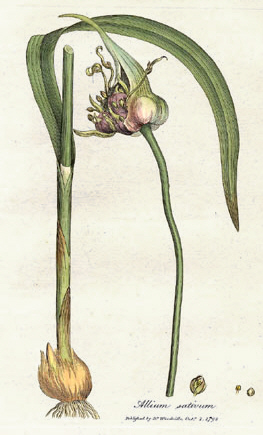
Dig (don’t pull) when roughly half the leaves have browned but five or six remain green.
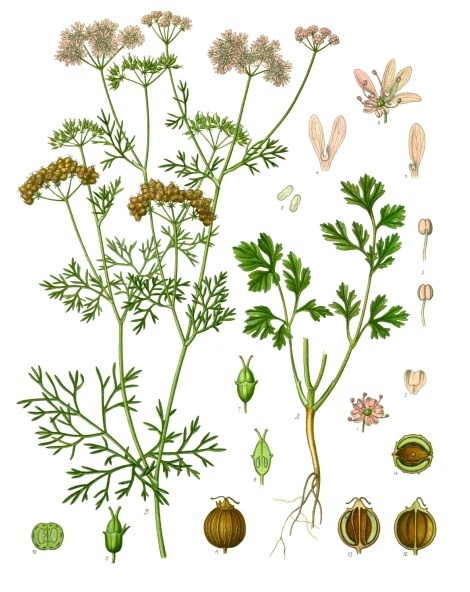
Snip outer leaves once plants are 4–6 in tall, taking no more than a third at a time.

Cut sweet peas when the lowest one or two florets on a stem are open and pick every two or three days — frequent harvesting and deadheading is the secret to weeks of bloom, since any seed pods that form signal the plant to stop.

Pull turnips young — around 2 to 3 inches across — for sweet, crisp roots, since large ones turn woody and sharp.

Cut the bulb at the base once it reaches 2 to 3 inches across — golf-ball to tennis-ball size — when it’s crisp and sweet.
Cut the bulb at the soil line once it reaches 2–4 inches across and feels dense and firm — the best flavor and texture come before any flower stalk appears.
Pick flowers in the morning after the dew dries, just as the petals open fully and before they begin to fold back — that moment has the highest essential oil content and the strongest apple fragrance.
Pick borage flowers in the cool morning once they're fully open, snipping each star-shaped bloom from its drooping cluster with small scissors.
Pick fully open blooms in the morning once the dew has dried, choosing the deepest-colored flowers at peak freshness.

Pick the outer leaves first and let the center keep growing for a steady supply over weeks, or cut the whole plant 2 inches above the soil and it will flush a second growth.

Pick fava bean pods when they are plump and the beans inside feel round through the pod wall, but before the inner skins turn gray and leathery — that stage means past peak sweetness.
🛠️ Maintenance
Keep the garden growing
Mid-season upkeep keeps plants healthy and productive.
📌 Water deeply and less often, mulch to hold moisture, side-dress heavy feeders, scout for pests, and succession-sow quick crops.
General June tasks
These apply broadly regardless of zone — a useful checklist alongside the zone-specific tasks above.
- ✓Harvest peas, lettuce, and radishes before bolting
- ✓Succession sow beans and summer squash every 2–3 weeks
- ✓Side-dress tomatoes, peppers, and corn with balanced fertilizer
- ✓Mulch all vegetable beds 2–4 inches to retain moisture and suppress weeds
- ✓Stake and train indeterminate tomatoes weekly
- ✓Begin regular deep watering schedule (1 inch per week)
- ✓Plant fall broccoli, cabbage, and Brussels sprout seedlings (cold zones)
- ✓Harvest garlic scapes from hardneck varieties
⚠ Watch-outs for June
- ⚠Cool-season crops bolt quickly as temperatures rise — harvest promptly and pull when done
- ⚠Spider mites appear in hot, dry conditions — check leaf undersides and treat early
- ⚠Blossom drop in tomatoes and peppers when nights are too warm (above 70°F)
- ⚠Japanese beetles emerge in late June in the East — hand-pick or use traps
June in Zone 4: common questions
What can I plant in June in Zone 4?+
June is mainly a planning and preparation month in Zone 4 — the ground is typically too cold for sowing outdoors. Order seeds, start onions and leeks indoors, and prepare beds for the season ahead.
When is the last and first frost in Zone 4?+
Zone 4 typically has its last spring frost around Early – mid May and its first fall frost around Mid September – mid October, giving a growing season of roughly 120–150 days. Always check a local frost-date source, since microclimates vary.
What's ready to harvest in June in Zone 4?+
In June, Zone 4 gardeners are typically harvesting Peas, Beets, Kale & collards, Garlic, Cilantro, Sweet peas, Turnips, and Kohlrabi. Pick regularly — frequent harvesting keeps most crops producing longer.