
March in Zone 4
March in Zone 4 (last frost early – mid may, first frost mid september – mid october). There are 17 crops to sow, transplant, or harvest this month.
Quick answer · Updated October 2026
In March, Zone 4 gardeners can plant Peppers, Eggplant, Onions, Parsley, Cauliflower, Leeks, Ground Cherries, and Sage. Zone 4's last frost is around Early – mid May and first frost around Mid September – mid October — the full task list below has exact timing for each crop.
Jump to another month
- Min Winter Temp
- -30 to -20 °F / -34 to -29 °C
- Last Spring Frost
- Early – mid May
- First Fall Frost
- Mid September – mid October
- Growing Season
- 120–150 days
- Annual Rainfall
- 20–45 in
Gardening in March in Zone 4
March is the depth of winter in Zone 4. With the last spring frost not due until around Early – mid May, the garden is dormant and the real work is planning — ordering seeds, sketching beds, and starting only the longest-season crops indoors.
The planting focus in Zone 4 this month is Peppers, Eggplant, Onions, Parsley, Cauliflower, and Leeks — see the task cards below for exactly how and when to sow each in your conditions.
About March in the garden
March is the month of transition. Cold-zone gardeners begin direct sowing the hardiest crops; warm-zone gardeners are in full spring planting mode. Spring equinox brings equal day and night, and soil temperatures begin to rise significantly.
Direct sowing peas, spinach, and lettuce in cold zones; transplanting tomatoes and peppers in Zone 9–10; pruning and dividing perennials; preparing beds.
- Season
- spring
- Temperature trend
- Rapidly warming in most regions; significant week-to-week temperature changes.
- Daylight
- Spring equinox (around March 20); days and nights are equal length, then days lengthen rapidly.
- Zone 4 last frost
- Early – mid May
- Zone 4 first frost
- Mid September – mid October
16
Sow indoors
1
Sow outdoors
0
Transplant
0
Harvest
1
Maintenance
🌱 Sow indoors
Start these indoors
Get a jump on the season under lights or on a sunny windowsill so transplants are ready when the weather warms.

Sow ⅛ in deep at 80°F on a heat mat. Slow to sprout (14–21 days) — start early.

Sow ¼ in deep at 80°F; needs steady warmth for 8 weeks indoors.

Sow ¼ in deep in trays; keep tops trimmed to 3 in for stocky transplants. Choose day-length type for your latitude.

Soak seed overnight; slow to germinate (3 weeks). Surface-sow under lights.

Sow ¼–½ in deep. Germinates in 5–10 days.

Sow ¼ in; transplant into deep holes. Germinates in 10–14 days.
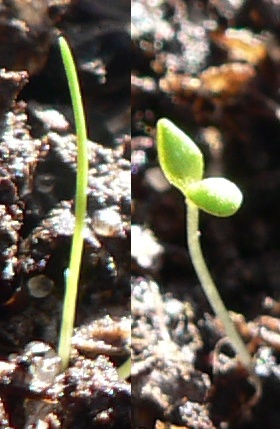
Sow ¼ in deep. Germinates in 7–14 days.

Sow ¼ in deep. Germinates in 14–21 days.

Sow ¼ in deep. Germinates in 10–21 days.

Sow Surface-sow to ⅛ in — seeds need some light to germinate. Germinates in 10–21 days at 65–70°f.

Sow Surface sow — needs light to germinate. Germinates in 10–14 days.

Sow Surface sow — needs light. Germinates in 7–21 days.

Sow Surface sow — light aids germination. Germinates in 10–21 days (cold-stratify for best results).
Sow ¼ in deep or press lightly onto the surface. Germinates in 14–21 days at 60–70°f.
Sow Surface sow — seeds require light to germinate; press gently without covering. Germinates in 14–21 days at 65–70°f.
Sow Nick or soak seed for 24 hours before sowing to break the hard coat; sow ¼–½ in deep. Germinates in 14–21 days after scarification at 55–65°f.
🌿 Sow outdoors
Sow these directly outdoors
Soil and weather are right to sow these straight into the garden where they will grow.

Direct-sow 1½–2 in deep, spacing 4–6 in apart, in rows 18–24 in wide.
🛠️ Maintenance
Plan, order seeds, and prep
The ground is cold or frozen — the perfect time for the indoor work that makes spring easier.
📌 Order seeds before favorites sell out, sketch next year's layout and rotations, sharpen and oil tools, and start onions/leeks late in the dormant season.
When to plant this month's crops in Zone 4
Full planting calendars — start indoors, transplant, and harvest timing — for the crops you're planting in March.


General March tasks
These apply broadly regardless of zone — a useful checklist alongside the zone-specific tasks above.
- ✓Direct sow peas, spinach, and lettuce outdoors once soil is workable
- ✓Start cucumbers, melons, and squash indoors (3–4 weeks before last frost)
- ✓Divide and transplant summer-blooming perennials
- ✓Apply compost or aged manure to vegetable beds
- ✓Plant shallots, onion sets, and bare-root strawberries
- ✓Set up cold frames and row covers for early crops
- ✓Begin hardening off seedlings started indoors
- ✓Plant cool-season annuals: pansies, snapdragons
⚠ Watch-outs for March
- ⚠Frost is still possible in most zones through March; protect transplants
- ⚠Soil may still be too wet and cold for many seeds — test by squeezing a handful
- ⚠Late snowfall can flatten young seedlings outdoors; have covers ready
- ⚠Slugs and snails become active early in spring; set bait or traps
March in Zone 4: common questions
What can I plant in March in Zone 4?+
In March, Zone 4 gardeners can sow or transplant Peppers, Eggplant, Onions, Parsley, Cauliflower, Leeks, Ground Cherries, and Sage. March in Zone 4 (last frost early – mid may, first frost mid september – mid october). There are 17 crops to sow, transplant, or harvest this month.
When is the last and first frost in Zone 4?+
Zone 4 typically has its last spring frost around Early – mid May and its first fall frost around Mid September – mid October, giving a growing season of roughly 120–150 days. Always check a local frost-date source, since microclimates vary.
What garden jobs matter most in March in Zone 4?+
Focus on direct sow peas, spinach, and lettuce outdoors once soil is workable, start cucumbers, melons, and squash indoors (3–4 weeks before last frost), divide and transplant summer-blooming perennials. Watch out for frost is still possible in most zones through march; protect transplants.