
March in Zone 11
March in Zone 11 (last frost none, first frost none). There are 8 crops to sow, transplant, or harvest this month.
Quick answer · Updated October 2026
In March, Zone 11 gardeners can plant Artichoke. It's also time to harvest Peas, Beets, Kale & collards, Cilantro, Sweet peas, Borage, and Mustard Greens. Zone 11 is frost-free — the full task list below has timing for each crop.
Jump to another month
- Min Winter Temp
- 40 to 50 °F / 4 to 10 °C
- Last Spring Frost
- None
- First Fall Frost
- None
- Growing Season
- Year-round (365 days)
- Annual Rainfall
- 20–80 in
Gardening in March in Zone 11
March in Zone 11 is the run-up to the hot season. There's still time to plant heat-lovers before summer's intensity peaks, while the last cool-season crops finish up.
This month, Zone 11 gardeners are getting Artichoke into the ground or under lights while harvesting Peas, Beets, Kale & collards, Cilantro, Sweet peas, and Borage from earlier plantings. The task cards below give spacing, depth, and timing for each.
About March in the garden
March is the month of transition. Cold-zone gardeners begin direct sowing the hardiest crops; warm-zone gardeners are in full spring planting mode. Spring equinox brings equal day and night, and soil temperatures begin to rise significantly.
Direct sowing peas, spinach, and lettuce in cold zones; transplanting tomatoes and peppers in Zone 9–10; pruning and dividing perennials; preparing beds.
- Season
- spring
- Temperature trend
- Rapidly warming in most regions; significant week-to-week temperature changes.
- Daylight
- Spring equinox (around March 20); days and nights are equal length, then days lengthen rapidly.
- Zone 11 last frost
- None
- Zone 11 first frost
- None
0
Sow indoors
0
Sow outdoors
1
Transplant
7
Harvest
1
Maintenance
🪴 Transplant
Transplant these into the garden
Move hardened-off seedlings into their final beds.
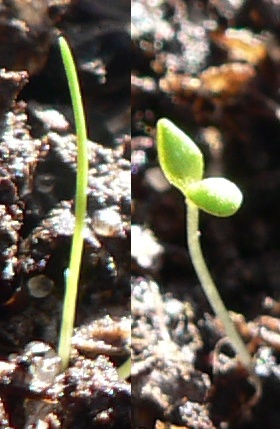
Set out 4–6 ft apart, in full sun (6–8+ hours).
🧺 Harvest
Harvest these now
These crops are coming ripe — pick regularly to keep plants productive.

Pick snap/snow pods young; shell peas when pods are plump.

Pull roots while small to medium for the sweetest, most tender beets; large ones can turn woody.

Pick lower leaves and let the plant keep growing from the top.
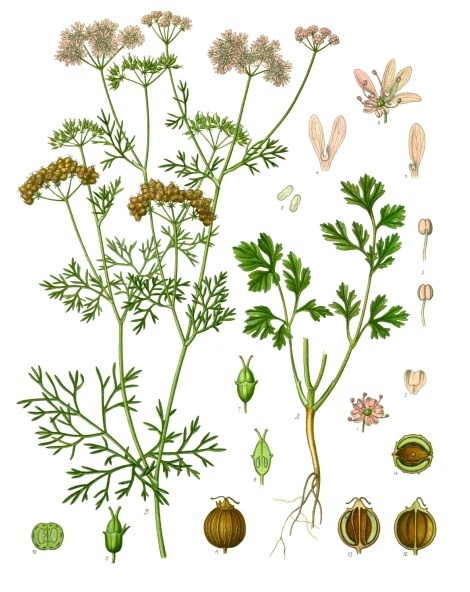
Snip outer leaves once plants are 4–6 in tall, taking no more than a third at a time.

Cut sweet peas when the lowest one or two florets on a stem are open and pick every two or three days — frequent harvesting and deadheading is the secret to weeks of bloom, since any seed pods that form signal the plant to stop.
Pick borage flowers in the cool morning once they're fully open, snipping each star-shaped bloom from its drooping cluster with small scissors.

Pick the outer leaves first and let the center keep growing for a steady supply over weeks, or cut the whole plant 2 inches above the soil and it will flush a second growth.
🛠️ Maintenance
Keep the garden growing
Mid-season upkeep keeps plants healthy and productive.
📌 Water deeply and less often, mulch to hold moisture, side-dress heavy feeders, scout for pests, and succession-sow quick crops.
When to plant this month's crops in Zone 11
Full planting calendars — start indoors, transplant, and harvest timing — for the crops you're planting in March.
General March tasks
These apply broadly regardless of zone — a useful checklist alongside the zone-specific tasks above.
- ✓Direct sow peas, spinach, and lettuce outdoors once soil is workable
- ✓Start cucumbers, melons, and squash indoors (3–4 weeks before last frost)
- ✓Divide and transplant summer-blooming perennials
- ✓Apply compost or aged manure to vegetable beds
- ✓Plant shallots, onion sets, and bare-root strawberries
- ✓Set up cold frames and row covers for early crops
- ✓Begin hardening off seedlings started indoors
- ✓Plant cool-season annuals: pansies, snapdragons
⚠ Watch-outs for March
- ⚠Frost is still possible in most zones through March; protect transplants
- ⚠Soil may still be too wet and cold for many seeds — test by squeezing a handful
- ⚠Late snowfall can flatten young seedlings outdoors; have covers ready
- ⚠Slugs and snails become active early in spring; set bait or traps
March in Zone 11: common questions
What can I plant in March in Zone 11?+
In March, Zone 11 gardeners can sow or transplant Artichoke. March in Zone 11 (last frost none, first frost none). There are 8 crops to sow, transplant, or harvest this month.
Does Zone 11 get frost?+
No — Zone 11 is frost-free year-round. Instead of frost dates, planting follows the tropical seasons: a hot, wet season (roughly May–October) for tropical staples, and a cooler, drier season (roughly November–April) that is the main window for temperate vegetables.
What's ready to harvest in March in Zone 11?+
In March, Zone 11 gardeners are typically harvesting Peas, Beets, Kale & collards, Cilantro, Sweet peas, Borage, and Mustard Greens. Pick regularly — frequent harvesting keeps most crops producing longer.