
May in Zone 11
May in Zone 11 (last frost none, first frost none). There are 20 crops to sow, transplant, or harvest this month.
Quick answer · Updated October 2026
In frost-free Zone 11, May falls in the hot off-season — most temperate vegetables struggle now. Focus on heat-tolerant tropical staples and prep beds for the main October–February planting window; see the checklist below.
Jump to another month
- Min Winter Temp
- 40 to 50 °F / 4 to 10 °C
- Last Spring Frost
- None
- First Fall Frost
- None
- Growing Season
- Year-round (365 days)
- Annual Rainfall
- 20–80 in
Gardening in May in Zone 11
May in Zone 11 is the run-up to the hot season. There's still time to plant heat-lovers before summer's intensity peaks, while the last cool-season crops finish up.
There's little to sow now, but Tomatoes, Peppers, Eggplant, Tomatillos, Sweet corn, and Winter squash & pumpkins should be coming ready in Zone 11 gardens — keep picking to get the most from each plant.
About May in the garden
May is the last frost month for most of the US and the traditional time to transplant warm-season vegetables. Gardens are at peak spring beauty, and the shift from cool-season to warm-season crops is in full swing.
Transplanting tomatoes, peppers, cucumbers, and melons in most zones; last frost passes in Zones 5–6; warm-zone gardeners are harvesting spring crops and planting summer succession crops.
- Season
- spring
- Temperature trend
- Warm and pleasant in most regions; last frosts typically occur in early-to-mid May in cold zones.
- Daylight
- Long days; approximately 14–15 hours of daylight in mid-latitudes.
- Zone 11 last frost
- None
- Zone 11 first frost
- None
0
Sow indoors
0
Sow outdoors
0
Transplant
20
Harvest
1
Maintenance
🧺 Harvest
Harvest these now
These crops are coming ripe — pick regularly to keep plants productive.

Pick as fruit colors up; harvest every 2–3 days to keep plants producing.

Pick green or leave to ripen to red/yellow for sweeter flavor.

Harvest while skin is glossy; dull skin means it is past prime.

Pick when fruit fills and splits the papery husk.

Harvest when silks brown and kernels squirt milky juice when pressed.
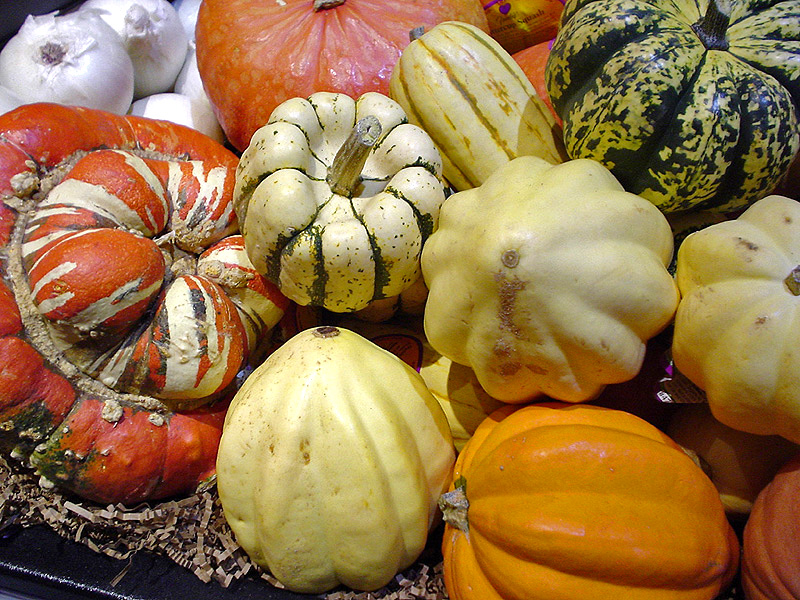
Cure after the rind hardens and resists a thumbnail; harvest before hard frost.

Cantaloupe slips from the vine when ripe; watermelon sounds hollow.

Dig "new" potatoes after flowering; leave the rest until tops die back for storage.

Harvest by pinching just above a leaf pair, which prompts two new branches to form.

Cut outer stems at the base, leaving the central growth to continue.

For cut flowers, snip when the bloom just opens, in the cool morning.

Cut when buds are just opening, taking long stems to encourage branching, and they’ll keep blooming for months.

Check three signs together: the curly tendril nearest the fruit has dried brown, the ground spot has turned creamy yellow, and the rind has dulled.
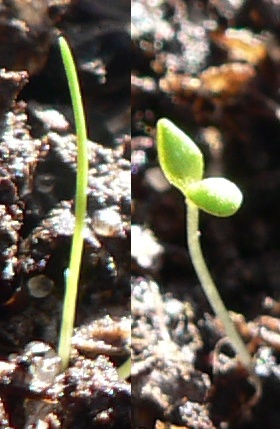
Ripe edamame pods are bright green, noticeably plump, and the beans fill the pod almost to the tips.
Check under the plants every couple of days and collect all fallen fruit — the husks keep them clean and protected from soil for a day or two.

Cut spikes for the vase when the bottom third of the florets are open — the rest open in water for days of bloom.
Petunias are a display plant rather than a cut flower, but short stems work in mixed arrangements for a day or two.

Shell-stage limas are ready when the pods are bright green, visibly plump, and the beans press firmly against the pod wall — but the pods still flex slightly rather than feeling hard.
Impatiens are self-cleaning — spent flowers drop on their own, so no deadheading is needed.
For fresh arrangements, cut stems when about two-thirds of the flower head has opened, before full bloom — cutting too late yields flowers that shatter.
🛠️ Maintenance
Keep the garden growing
Mid-season upkeep keeps plants healthy and productive.
📌 Water deeply and less often, mulch to hold moisture, side-dress heavy feeders, scout for pests, and succession-sow quick crops.
General May tasks
These apply broadly regardless of zone — a useful checklist alongside the zone-specific tasks above.
- ✓Transplant tomatoes, peppers, eggplant, and basil after last frost
- ✓Direct sow beans, squash, cucumbers, and corn after last frost
- ✓Plant annual herbs: basil, summer savory
- ✓Set up tomato cages, stakes, and trellises at planting time
- ✓Thin direct-sown beets, carrots, and lettuce to proper spacing
- ✓Begin regular fertilizing of container plants
- ✓Deadhead spring bulbs and let foliage die back naturally
- ✓Install supports for climbing plants: beans, peas, cucumbers
⚠ Watch-outs for May
- ⚠Late May frosts in Zones 4–5 can kill transplants set out too early
- ⚠Soil should be at least 60°F before transplanting warm-season crops
- ⚠Cutworms peak in May — use collars around transplant stems
- ⚠Over-watering newly transplanted seedlings causes root rot — let soil dry between waterings
May in Zone 11: common questions
What can I plant in May in Zone 11?+
In frost-free Zone 11, May falls in the hot off-season — most temperate vegetables struggle in the heat. Focus on heat-tolerant tropical staples and prepare beds for the main October–February planting window.
Does Zone 11 get frost?+
No — Zone 11 is frost-free year-round. Instead of frost dates, planting follows the tropical seasons: a hot, wet season (roughly May–October) for tropical staples, and a cooler, drier season (roughly November–April) that is the main window for temperate vegetables.
What's ready to harvest in May in Zone 11?+
In May, Zone 11 gardeners are typically harvesting Tomatoes, Peppers, Eggplant, Tomatillos, Sweet corn, Winter squash & pumpkins, Melons, and Potatoes. Pick regularly — frequent harvesting keeps most crops producing longer.