
April in Zone 7
April in Zone 7: last frost passes mid-month. Warm-season transplants go out; full spring garden in progress.
Quick answer · Updated October 2026
April is Zone 7’s pivot month. Before the last frost (around April 10–15), direct-sow the hardy crops — carrots, beets, lettuce, spinach, and peas — and plant potatoes. After it, transplant tomatoes in late April in zone 7b (early May in 7a), and direct-sow beans, squash, and cucumbers once soil reaches 60°F in the final week of the month.
Jump to another month
- Min Winter Temp
- 0 to 10 °F / -18 to -12 °C
- Last Spring Frost
- Late March – mid April
- First Fall Frost
- Mid October – mid November
- Growing Season
- 200–225 days
- Annual Rainfall
- 30–60 in
Gardening in April in Zone 7
April brings the average last frost to Zone 7, around Late March – mid April. It's the pivot of the gardening year — cold-hardy crops go out first, with tender warm-season plants following once nights stay reliably mild. Keep an eye on the forecast, since a late frost can still catch young seedlings.
The planting focus in Zone 7 this month is Tomatoes, Peppers, Eggplant, Cucumbers, Squash, and Melons — see the task cards below for exactly how and when to sow each in your conditions.
About April in the garden
April is peak planting season for cold and temperate zones. Soil is workable, temperatures are consistently above freezing in most areas, and the full complement of cool-season crops can go in. Warm zones are transitioning to summer crops.
Transplanting broccoli, cabbage, and cauliflower in cold zones; direct sowing beets, carrots, and chard; planting potatoes; last frost passes in Zones 7–8.
- Season
- spring
- Temperature trend
- Warming steadily; last frost dates pass for Zones 7 and 8 in most locations.
- Daylight
- Days are significantly longer than nights; about 13–14 hours of daylight in mid-latitudes.
- Zone 7 last frost
- Late March – mid April
- Zone 7 first frost
- Mid October – mid November
April in Zone 7: the before-and-after-frost playbook
Everything about April in Zone 7 organizes around one date: the average last frost, roughly April 10–15 (earlier in 7b, closer to mid-month in 7a). The month splits cleanly in two. Before that date, the garden belongs to crops that laugh at a light freeze — peas, lettuce, spinach, carrots, beets, radishes, potatoes, and the brassica transplants. After it, the warm-season garden begins.
The classic Zone 7 mistake is planting tomatoes on the first warm weekend of early April. An 80°F afternoon says summer; the soil thermometer says otherwise. Frost-tender transplants set out before mid-April gamble on a late freeze, and even survivors sit stalled in 55°F soil. Let the calendar’s second half do the warm-season work: tomatoes in the third or fourth week (7b first), peppers and eggplant at the very end of the month or in early May, and direct-sown beans, squash, corn, and cucumbers once soil passes 60°F.
Spacing the month week by week turns April from chaos into a rhythm: hardy sowings early, hardening-off mid-month as the frost date passes, and the first true summer plantings to close it out. Gardeners in 7b run each step about a week ahead of 7a.
Week-by-week April planting in Zone 7
| Window | Zone 7a | Zone 7b |
|---|---|---|
| April 1–10 | Direct-sow carrots, beets, lettuce, spinach, peas, radishes; plant potatoes; transplant broccoli & cabbage | Same — plus begin hardening off tomato transplants |
| April 10–20 | Last-frost watch; harden off tomatoes; keep row cover handy for cold nights | Transplant tomatoes (row cover on standby); last sowings of cool-season greens |
| April 20–30 | Transplant tomatoes; sow beans and squash at month’s end if soil has hit 60°F | Transplant peppers & eggplant; direct-sow beans, corn, cucumbers, squash |
Anchored to a last frost of roughly April 10–15. In a cold spring, shift each window a week later — the soil thermometer outranks the calendar.
Getting April right in Zone 7
- ✓Trust a $10 soil thermometer over a warm afternoon: 45°F sows peas and lettuce, 50°F sows beets and potatoes, 60°F unlocks beans and squash.
- ✓Harden everything off for 7–10 days — April sun and wind burn indoor-grown transplants faster than cold does.
- ✓Keep row cover within arm’s reach through month’s end; a single April radiation frost can erase early tomatoes.
- ✓Succession-sow lettuce and radishes every 10 days now — the cool window closes fast in May.
- ✓Wait to mulch warm-season beds until the soil has actually warmed; early mulch locks in the cold.
- ✓Weed weekly in April — spring weeds outgrow seedlings two-to-one in warming soil.
0
Sow indoors
6
Sow outdoors
6
Transplant
0
Harvest
0
Maintenance
🌿 Sow outdoors
Direct sow beans, corn, and sunflowers

Sow 1–2 inches deep, 4 inches apart after soil reaches 60°F; do not pre-soak.

Sow 1 inch deep in blocks of at least 4 rows for wind pollination; space 12 inches apart.

Sow 1 inch deep, 12 inches apart; direct sowing is preferred after last frost.
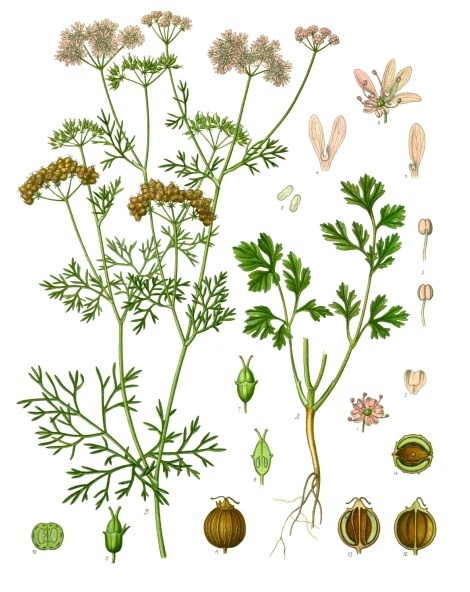
Direct sow herbs: basil, dill, cilantro


🪴 Transplant
Transplant tomatoes, peppers, and eggplant after last frost


When to plant this month's crops in Zone 7
Full planting calendars — start indoors, transplant, and harvest timing — for the crops you're planting in April.


General April tasks
These apply broadly regardless of zone — a useful checklist alongside the zone-specific tasks above.
- ✓Direct sow beets, carrots, parsnips, and chard
- ✓Transplant broccoli, cabbage, and cauliflower starts
- ✓Plant potatoes once soil reaches 45°F
- ✓Sow herb seeds outdoors: dill, cilantro, parsley
- ✓Install soaker hoses and drip irrigation before beds fill in
- ✓Top-dress lawns and garden beds with compost
- ✓Prune spring-blooming shrubs immediately after bloom
- ✓Direct sow annual wildflower mixes
⚠ Watch-outs for April
- ⚠Frost is still possible in Zones 3–6 through April; keep row covers handy
- ⚠Don't transplant warm-season crops outdoors before last frost date
- ⚠Newly direct-sown seeds dry out quickly in warm April sun — water consistently
- ⚠Aphids and other soft-bodied insects appear early in spring; monitor and treat
April in Zone 7: common questions
What can I plant in April in Zone 7?+
April is Zone 7’s pivot month. Before the last frost (around April 10–15), direct-sow the hardy crops — carrots, beets, lettuce, spinach, and peas — and plant potatoes. After it, transplant tomatoes in late April in zone 7b (early May in 7a), and direct-sow beans, squash, and cucumbers once soil reaches 60°F in the final week of the month.
When is the last and first frost in Zone 7?+
Zone 7 typically has its last spring frost around Late March – mid April and its first fall frost around Mid October – mid November, giving a growing season of roughly 200–225 days. Always check a local frost-date source, since microclimates vary.
Can I plant tomatoes in April in Zone 7?+
Yes — in the second half of the month. Zone 7’s average last frost lands around April 10–15, so transplant tomatoes from about April 20 in 7b and the last week of April into early May in 7a, keeping row cover handy for a stray cold night. Planting earlier risks frost and stalls growth in cold soil.
What can I plant before the last frost in Zone 7?+
The hardy crew: peas, lettuce, spinach, carrots, beets, radishes, turnips, and potatoes, plus transplants of broccoli, cabbage, and kale. All tolerate the light frosts of early April — many actually prefer starting in cool soil.
When does the soil reach 60°F in Zone 7?+
Typically the last week of April in 7b and the first week or two of May in 7a — that’s the trigger for direct-sowing beans, corn, cucumbers, and squash. A soil thermometer read mid-morning at 2-inch depth beats any calendar estimate.
What garden jobs matter most in April in Zone 7?+
Focus on direct sow beets, carrots, parsnips, and chard, transplant broccoli, cabbage, and cauliflower starts, plant potatoes once soil reaches 45°f. Watch out for frost is still possible in zones 3–6 through april; keep row covers handy.