
February in Zone 7
February in Zone 7: early spring planting begins. Start tomatoes and peppers indoors; sow peas outdoors.
Quick answer · Updated October 2026
In February, Zone 7 gardeners can plant Tomatoes, Peppers, Eggplant, Peas, Spinach, Lettuce, Arugula, and Shallots. Zone 7's last frost is around Late March – mid April and first frost around Mid October – mid November — the full task list below has exact timing for each crop.
Jump to another month
- Min Winter Temp
- 0 to 10 °F / -18 to -12 °C
- Last Spring Frost
- Late March – mid April
- First Fall Frost
- Mid October – mid November
- Growing Season
- 200–225 days
- Annual Rainfall
- 30–60 in
Gardening in February in Zone 7
February is the depth of winter in Zone 7. With the last spring frost not due until around Late March – mid April, the garden is dormant and the real work is planning — ordering seeds, sketching beds, and starting only the longest-season crops indoors.
The planting focus in Zone 7 this month is Tomatoes, Peppers, Eggplant, Peas, Spinach, and Lettuce — see the task cards below for exactly how and when to sow each in your conditions.
About February in the garden
February brings the first hints of awakening in gardens. Seed starting picks up in cold zones; warm zones begin direct sowing and transplanting warm-season crops. Days are noticeably lengthening, driving early bulb and shrub growth.
Starting tomatoes, peppers, and eggplant indoors in cold zones (Zones 3–6); direct sowing cool-season crops in Zones 8–10; pruning roses; chitting potatoes.
- Season
- winter
- Temperature trend
- Still cold but temperatures begin to rise in most regions; first warm spells in the South.
- Daylight
- Daylight increasing noticeably; gaining about 2 minutes per day in most latitudes.
- Zone 7 last frost
- Late March – mid April
- Zone 7 first frost
- Mid October – mid November
3
Sow indoors
6
Sow outdoors
1
Transplant
0
Harvest
0
Maintenance
🌱 Sow indoors
Start tomatoes indoors (8 weeks before last frost)

Sow ¼ inch deep in 72-cell trays; keep at 70–75°F until germination in 7–10 days.


🌿 Sow outdoors
Direct sow peas, spinach, and lettuce outdoors

Sow 1 inch deep, 2 inches apart in a single row alongside a trellis; pre-soak seeds overnight.

Sow ½ inch deep, 2 inches apart; germinates best at 50–65°F; thin to 6 inches.

Surface-sow or ⅛ inch deep; thin to 8 inches for heads, 4 inches for cut-and-come-again.

Surface-sow in wide bands; thins itself as it grows; bolt-prone in heat — shade if needed.

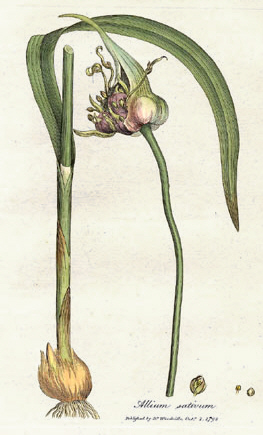
🪴 Transplant
Transplant onion seedlings outdoors under row cover

Sow ¼ inch deep in seed trays, thin to 1 inch apart; transplant outdoors at pencil thickness.
When to plant this month's crops in Zone 7
Full planting calendars — start indoors, transplant, and harvest timing — for the crops you're planting in February.


General February tasks
These apply broadly regardless of zone — a useful checklist alongside the zone-specific tasks above.
- ✓Start tomatoes, peppers, and eggplant indoors 8–10 weeks before last frost (cold zones)
- ✓Direct sow cool-season crops outdoors in Zones 8–10
- ✓Prune roses once forsythia begins to bloom (traditional timing cue)
- ✓Apply late dormant oil sprays before buds break on fruit trees
- ✓Begin chitting (sprouting) seed potatoes indoors
- ✓Fertilize spring-blooming bulbs as they emerge
- ✓Direct sow sweet peas outdoors in mild climates
- ✓Transplant bare-root trees and shrubs while dormant
⚠ Watch-outs for February
- ⚠Late hard freezes are common — don't rush transplanting in cold zones
- ⚠Seedlings started indoors need supplemental light (12–16 hrs) to avoid stretching
- ⚠Wet February soils compact easily; wait for soil to dry before working
- ⚠Fruit trees breaking dormancy early are vulnerable to late frost — have covers ready
February in Zone 7: common questions
What can I plant in February in Zone 7?+
In February, Zone 7 gardeners can sow or transplant Tomatoes, Peppers, Eggplant, Peas, Spinach, Lettuce, Arugula, and Shallots. February in Zone 7: early spring planting begins. Start tomatoes and peppers indoors; sow peas outdoors.
When is the last and first frost in Zone 7?+
Zone 7 typically has its last spring frost around Late March – mid April and its first fall frost around Mid October – mid November, giving a growing season of roughly 200–225 days. Always check a local frost-date source, since microclimates vary.
What garden jobs matter most in February in Zone 7?+
Focus on start tomatoes, peppers, and eggplant indoors 8–10 weeks before last frost (cold zones), direct sow cool-season crops outdoors in zones 8–10, prune roses once forsythia begins to bloom (traditional timing cue). Watch out for late hard freezes are common — don't rush transplanting in cold zones.