
October in Zone 7
October in Zone 7: active fall growing season. Harvest and succession sow cool-season crops.
Quick answer · Updated October 2026
In October, Zone 7 gardeners can plant Spinach, Mâche, and Corn salad. It's also time to harvest Broccoli, Cabbage, Kale, Swiss chard, Carrots, Beets, and Turnips. Zone 7's last frost is around Late March – mid April and first frost around Mid October – mid November — the full task list below has exact timing for each crop.
Jump to another month
- Min Winter Temp
- 0 to 10 °F / -18 to -12 °C
- Last Spring Frost
- Late March – mid April
- First Fall Frost
- Mid October – mid November
- Growing Season
- 200–225 days
- Annual Rainfall
- 30–60 in
Gardening in October in Zone 7
October marks the late season in Zone 7, with the first fall frost expected around Mid October – mid November. It's the window for fast final crops and big harvests before cooler weather settles in.
This month, Zone 7 gardeners are getting Spinach, Mâche, and Corn salad into the ground or under lights while harvesting Broccoli, Cabbage, Kale, Swiss chard, Carrots, and Beets from earlier plantings. The task cards below give spacing, depth, and timing for each.
About October in the garden
October is prime fall planting and harvest month. Cool-zone gardens wrap up the warm season and prepare for winter. Warm zones enter their second growing season — one of the most productive times of year. Fall color peaks across the country.
Harvesting root vegetables and storage crops; planting cover crops; mulching perennial beds; active cool-season gardening in warm zones; planting spring bulbs.
- Season
- fall
- Temperature trend
- Cool and variable; hard frosts arrive in most northern zones; warm zones enter optimal growing conditions.
- Daylight
- Short days, less than 12 hours; dropping temperature with less intensity than September.
- Zone 7 last frost
- Late March – mid April
- Zone 7 first frost
- Mid October – mid November
0
Sow indoors
3
Sow outdoors
0
Transplant
7
Harvest
1
Maintenance
🌿 Sow outdoors
Direct sow overwintering spinach and mâche

Sow ½ inch deep, 2 inches apart; germinates best at 50–65°F; thin to 6 inches.
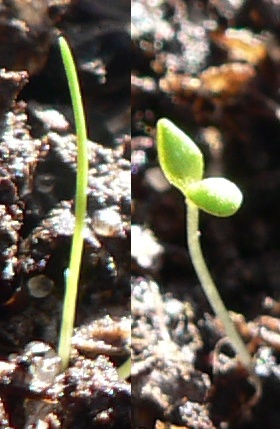
Mâche
Surface sow in autumn for winter harvest; extremely cold-hardy; self-seeds freely.

Follow standard planting guidelines for Corn salad.
🧺 Harvest
Harvest fall broccoli, cabbage, and kale through light frosts

Sow ¼ inch deep; transplant at 4–6 weeks when 4–5 inches tall; space 18 inches apart.

Sow ¼ inch deep; harden off well before transplanting; space 12–18 inches apart.

Sow ¼ inch deep directly or in trays; very cold-hardy; direct sow works well in cool soil.

Sow 1 inch deep, thin to 6 inches; very productive cut-and-come-again crop.
Harvest root vegetables; leave parsnips for sweetening frosts


🛠️ Maintenance
Mulch perennial beds and garlic plantings
When to plant this month's crops in Zone 7
Full planting calendars — start indoors, transplant, and harvest timing — for the crops you're planting in October.

General October tasks
These apply broadly regardless of zone — a useful checklist alongside the zone-specific tasks above.
- ✓Harvest root vegetables before hard freeze: carrots, parsnips, beets (or mulch in place)
- ✓Plant spring bulbs in all but the warmest zones
- ✓Plant garlic if not already done
- ✓Sow overwintering cover crops: winter rye, hairy vetch, crimson clover
- ✓Mulch perennial beds with 3–4 inches after ground cools but before hard freeze
- ✓Bring tender perennials indoors before first frost
- ✓Direct sow cool-season crops outdoors in Zones 7–9
- ✓Plant container shrubs and trees — root establishment continues until ground freezes
⚠ Watch-outs for October
- ⚠Harvest sweet potatoes before soil temperature drops below 50°F or they become damaged
- ⚠Don't compost diseased plant material — bag and discard it
- ⚠Protect late-planted garlic beds from heaving with light mulch
- ⚠In warm zones, watch for incoming frost on marginal dates — have covers ready
October in Zone 7: common questions
What can I plant in October in Zone 7?+
In October, Zone 7 gardeners can sow or transplant Spinach, Mâche, and Corn salad. October in Zone 7: active fall growing season. Harvest and succession sow cool-season crops.
When is the last and first frost in Zone 7?+
Zone 7 typically has its last spring frost around Late March – mid April and its first fall frost around Mid October – mid November, giving a growing season of roughly 200–225 days. Always check a local frost-date source, since microclimates vary.
What's ready to harvest in October in Zone 7?+
In October, Zone 7 gardeners are typically harvesting Broccoli, Cabbage, Kale, Swiss chard, Carrots, Beets, and Turnips. Pick regularly — frequent harvesting keeps most crops producing longer.