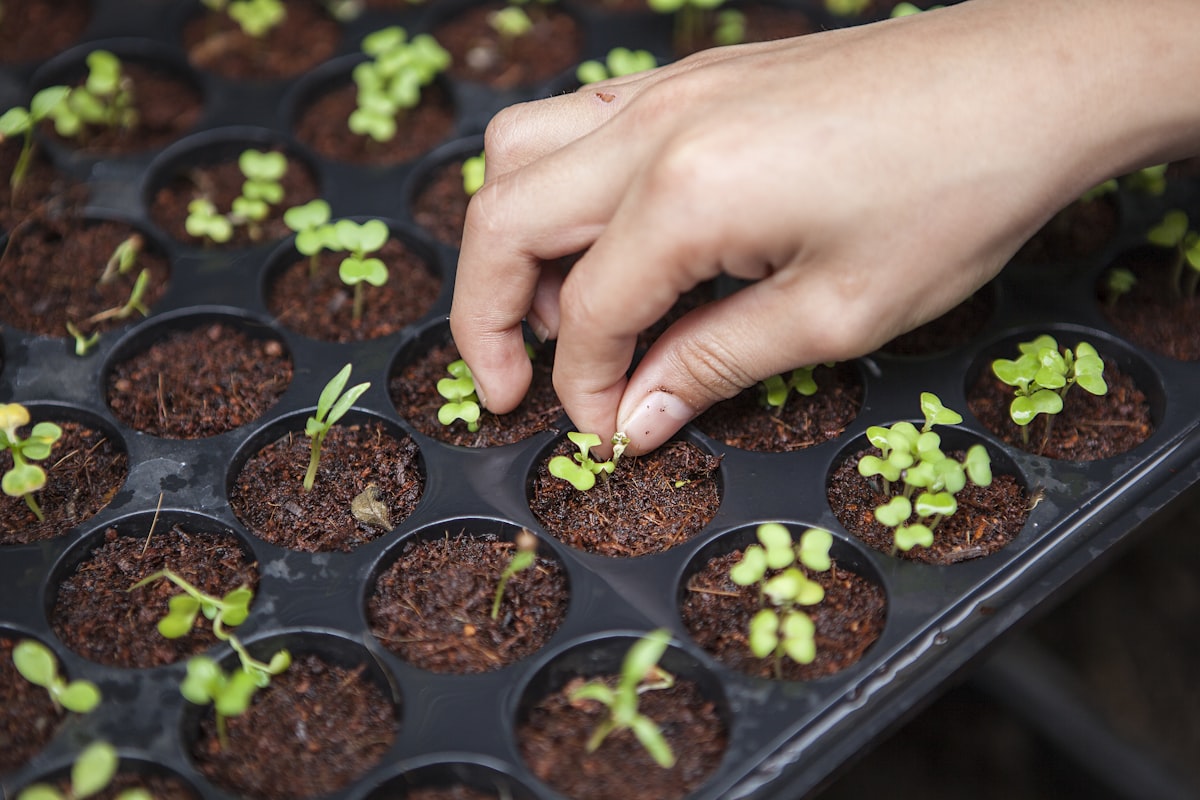
June in Zone 8
June in Zone 8 (last frost late february – late march, first frost mid november – mid december). There are 23 crops to sow, transplant, or harvest this month.
Quick answer · Updated October 2026
June is primarily a planning and preparation month in Zone 8 — with the last frost around Late February – late March, it's too early to sow outdoors. Order seeds, prep beds, and see the checklist below for what to do now.
Jump to another month
- Min Winter Temp
- 10 to 20 °F / -12 to -7 °C
- Last Spring Frost
- Late February – late March
- First Fall Frost
- Mid November – mid December
- Growing Season
- 225–270 days
- Annual Rainfall
- 20–65 in
Gardening in June in Zone 8
June is peak growing season in Zone 8. With a frost-free stretch running roughly Late February – late March to Mid November – mid December — about 225–270 days — the garden is in full swing, balancing succession sowing with steady harvests.
There's little to sow now, but Tomatoes, Peppers, Eggplant, Tomatillos, Sweet corn, and Winter squash & pumpkins should be coming ready in Zone 8 gardens — keep picking to get the most from each plant.
About June in the garden
June marks the start of summer and peak garden productivity. Warm-season crops are established and growing fast. The summer solstice brings the longest day of the year. Harvest begins for many early-season vegetables.
First harvests of peas, lettuce, and radishes; rapid growth of tomatoes and cucumbers; succession sowing of warm-season crops; perennial beds at peak bloom.
- Season
- summer
- Temperature trend
- Summer temperatures arrive; heat builds through the month. Summer solstice around June 21.
- Daylight
- Longest days of the year; summer solstice brings 14–16+ hours of daylight.
- Zone 8 last frost
- Late February – late March
- Zone 8 first frost
- Mid November – mid December
0
Sow indoors
0
Sow outdoors
0
Transplant
23
Harvest
1
Maintenance
🧺 Harvest
Harvest these now
These crops are coming ripe — pick regularly to keep plants productive.

Pick as fruit colors up; harvest every 2–3 days to keep plants producing.

Pick green or leave to ripen to red/yellow for sweeter flavor.

Harvest while skin is glossy; dull skin means it is past prime.

Pick when fruit fills and splits the papery husk.

Harvest when silks brown and kernels squirt milky juice when pressed.
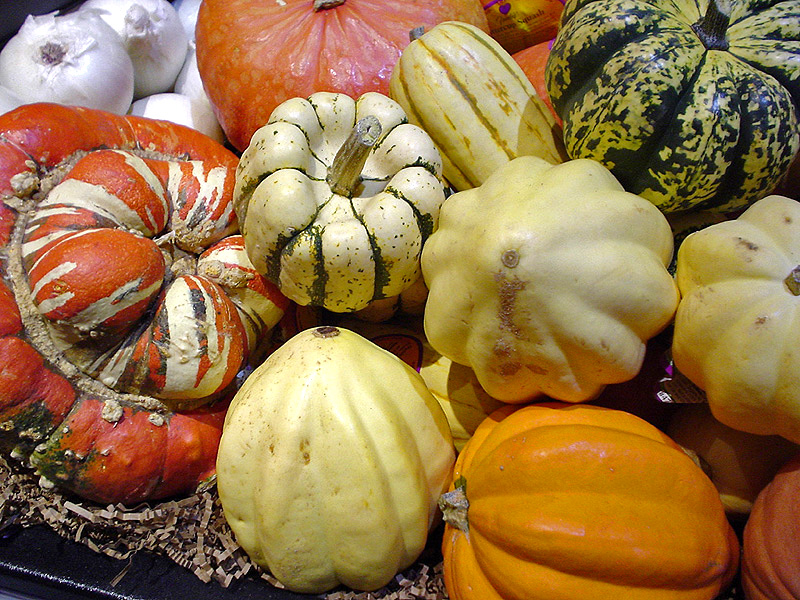
Cure after the rind hardens and resists a thumbnail; harvest before hard frost.

Cantaloupe slips from the vine when ripe; watermelon sounds hollow.

Dig "new" potatoes after flowering; leave the rest until tops die back for storage.

Harvest by pinching just above a leaf pair, which prompts two new branches to form.

Cut outer stems at the base, leaving the central growth to continue.

For cut flowers, snip when the bloom just opens, in the cool morning.

Cut when buds are just opening, taking long stems to encourage branching, and they’ll keep blooming for months.

Check three signs together: the curly tendril nearest the fruit has dried brown, the ground spot has turned creamy yellow, and the rind has dulled.

Dig (don’t pull) leeks with a fork once the shanks are usably thick, loosening the soil first since the roots run deep.

Wait until after several hard frosts, then dig parsnips with a fork, loosening the deep soil first to avoid snapping the long roots.

Ripe edamame pods are bright green, noticeably plump, and the beans fill the pod almost to the tips.
Check under the plants every couple of days and collect all fallen fruit — the husks keep them clean and protected from soil for a day or two.

Snip sprigs in the morning, harvesting just before the plant flowers when the oils are strongest.

Cut spikes for the vase when the bottom third of the florets are open — the rest open in water for days of bloom.
Petunias are a display plant rather than a cut flower, but short stems work in mixed arrangements for a day or two.

Shell-stage limas are ready when the pods are bright green, visibly plump, and the beans press firmly against the pod wall — but the pods still flex slightly rather than feeling hard.
Impatiens are self-cleaning — spent flowers drop on their own, so no deadheading is needed.
For fresh arrangements, cut stems when about two-thirds of the flower head has opened, before full bloom — cutting too late yields flowers that shatter.
🛠️ Maintenance
Keep the garden growing
Mid-season upkeep keeps plants healthy and productive.
📌 Water deeply and less often, mulch to hold moisture, side-dress heavy feeders, scout for pests, and succession-sow quick crops.
General June tasks
These apply broadly regardless of zone — a useful checklist alongside the zone-specific tasks above.
- ✓Harvest peas, lettuce, and radishes before bolting
- ✓Succession sow beans and summer squash every 2–3 weeks
- ✓Side-dress tomatoes, peppers, and corn with balanced fertilizer
- ✓Mulch all vegetable beds 2–4 inches to retain moisture and suppress weeds
- ✓Stake and train indeterminate tomatoes weekly
- ✓Begin regular deep watering schedule (1 inch per week)
- ✓Plant fall broccoli, cabbage, and Brussels sprout seedlings (cold zones)
- ✓Harvest garlic scapes from hardneck varieties
⚠ Watch-outs for June
- ⚠Cool-season crops bolt quickly as temperatures rise — harvest promptly and pull when done
- ⚠Spider mites appear in hot, dry conditions — check leaf undersides and treat early
- ⚠Blossom drop in tomatoes and peppers when nights are too warm (above 70°F)
- ⚠Japanese beetles emerge in late June in the East — hand-pick or use traps
June in Zone 8: common questions
What can I plant in June in Zone 8?+
June is mainly a planning and preparation month in Zone 8 — the ground is typically too cold for sowing outdoors. Order seeds, start onions and leeks indoors, and prepare beds for the season ahead.
When is the last and first frost in Zone 8?+
Zone 8 typically has its last spring frost around Late February – late March and its first fall frost around Mid November – mid December, giving a growing season of roughly 225–270 days. Always check a local frost-date source, since microclimates vary.
What's ready to harvest in June in Zone 8?+
In June, Zone 8 gardeners are typically harvesting Tomatoes, Peppers, Eggplant, Tomatillos, Sweet corn, Winter squash & pumpkins, Melons, and Potatoes. Pick regularly — frequent harvesting keeps most crops producing longer.