
October in Zone 8
October in Zone 8 (last frost late february – late march, first frost mid november – mid december). There are 7 crops to sow, transplant, or harvest this month.
Quick answer · Updated October 2026
October is garlic-planting month in Zone 8 — get cloves in by early November for the biggest bulbs next June. It’s also the window for overwintering onions, and there’s still time to sow spinach, lettuce, radishes, and cilantro for late-fall salads. With first frost not arriving until mid-November–mid-December, Zone 8 gardens keep producing well into winter.
Jump to another month
- Min Winter Temp
- 10 to 20 °F / -12 to -7 °C
- Last Spring Frost
- Late February – late March
- First Fall Frost
- Mid November – mid December
- Growing Season
- 225–270 days
- Annual Rainfall
- 20–65 in
Gardening in October in Zone 8
October is peak growing season in Zone 8. With a frost-free stretch running roughly Late February – late March to Mid November – mid December — about 225–270 days — the garden is in full swing, balancing succession sowing with steady harvests.
The planting focus in Zone 8 this month is Lettuce, Beets, Kale & collards, Cilantro, Cauliflower, and Broccoli — see the task cards below for exactly how and when to sow each in your conditions.
About October in the garden
October is prime fall planting and harvest month. Cool-zone gardens wrap up the warm season and prepare for winter. Warm zones enter their second growing season — one of the most productive times of year. Fall color peaks across the country.
Harvesting root vegetables and storage crops; planting cover crops; mulching perennial beds; active cool-season gardening in warm zones; planting spring bulbs.
- Season
- fall
- Temperature trend
- Cool and variable; hard frosts arrive in most northern zones; warm zones enter optimal growing conditions.
- Daylight
- Short days, less than 12 hours; dropping temperature with less intensity than September.
- Zone 8 last frost
- Late February – late March
- Zone 8 first frost
- Mid November – mid December
October in Zone 8: plant garlic now, eat from the garden all winter
Zone 8’s long, mild autumn is the payoff for surviving its brutal summer. With first frost still four to eight weeks away (mid-November to mid-December) and hard freezes rare, October isn’t a wind-down month — it’s one of the best planting windows of the year, and the single most important one for anything that overwinters.
Garlic is the headline act. Plant individual cloves 2 inches deep and 6 inches apart in October through early November: they root through the mild winter, jump ahead in spring, and yield fat bulbs in June. Overwintering (short-day or intermediate) onion sets and transplants follow the same logic — fall-planted onions bulb weeks earlier and larger than spring-planted ones. Both want a well-drained bed and a light mulch, nothing more.
Around the alliums, keep the salad engine running: spinach, lettuce, arugula, and radishes sown in early October produce before the new year, and spinach that establishes now will overwinter and explode with growth in February. Tuck in cool-season flowers — pansies, violas, snapdragons, calendula — which bloom through the mild Zone 8 winter, and sow a cover crop like crimson clover on any bed you’re done with; it protects the soil all winter and feeds it in spring.
Plant in October in Zone 8 — harvest when?
| Crop | Plant in October | Harvest / payoff |
|---|---|---|
| Garlic | Cloves, 2 in deep, Oct–early Nov | June — the biggest bulbs come from fall planting |
| Overwintering onions | Sets or transplants | May–June, weeks ahead of spring-planted |
| Spinach | Direct sow early Oct | Nov–Dec salads, then a huge February flush |
| Lettuce | Sow or transplant early Oct | November–December |
| Arugula & Asian greens | Direct sow | 30–40 days; cut-and-come-again into winter |
| Radishes | Direct sow through Oct | 25–30 days — right up to frost |
| Carrots | Sow first week of Oct | Overwinter in the bed; sweetest Jan digging |
| Cilantro | Direct sow | All winter — Zone 8’s best cilantro season |
| Pansies & violas | Transplants | Bloom through winter into spring |
| Crimson clover (cover crop) | Broadcast on spent beds | Turn under in March for free fertility |
Zone 8 first frost: mid-November to mid-December. Everything above tolerates it — that’s the point.
Zone 8 October checklist
- ✓Order garlic now if you haven’t — softneck types suit Zone 8 best, and suppliers sell out by mid-fall.
- ✓Don’t plant garlic cloves too early in a warm October; wait for soil to cool below ~60°F so they root rather than sprout tall.
- ✓Choose short-day or intermediate onion varieties for fall planting — long-day types won’t bulb properly in Zone 8.
- ✓Keep row cover handy: one early cold snap protection turns October sowings into December harvests.
- ✓Mulch overwintering carrots and alliums with 2–3 inches of straw after the first frost, not before.
- ✓Sow cover crops by late October so they establish before the cool sets in.
0
Sow indoors
5
Sow outdoors
2
Transplant
0
Harvest
1
Maintenance
🌿 Sow outdoors
Sow these directly outdoors
Soil and weather are right to sow these straight into the garden where they will grow.

Fall crop: sow in late summer where afternoon shade keeps soil cool for germination.

Fall crop: sow late summer for storage roots.

Fall crop is sweetest — flavor improves after frost.
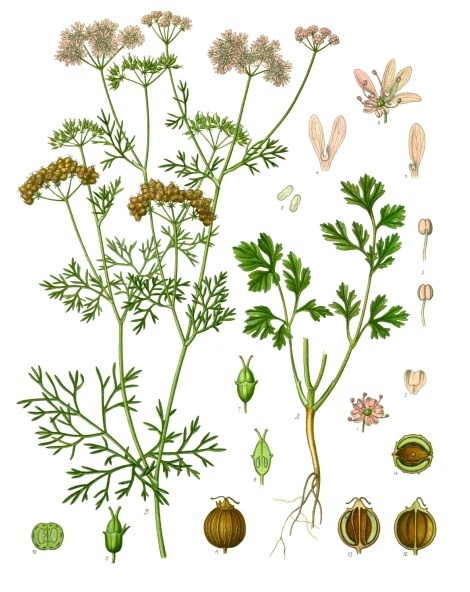
Fall sowing lasts far longer than spring before bolting.

Direct-sow ¼–½ in deep, spacing 18–24 in apart.
🪴 Transplant
Transplant these into the garden
Move hardened-off seedlings into their final beds.

Set out a fall crop in late summer for a frost-kissed harvest.

Set out 18–24 in apart, in full sun (6+ hours).
🛠️ Maintenance
Keep the garden growing
Mid-season upkeep keeps plants healthy and productive.
📌 Water deeply and less often, mulch to hold moisture, side-dress heavy feeders, scout for pests, and succession-sow quick crops.
When to plant this month's crops in Zone 8
Full planting calendars — start indoors, transplant, and harvest timing — for the crops you're planting in October.


General October tasks
These apply broadly regardless of zone — a useful checklist alongside the zone-specific tasks above.
- ✓Harvest root vegetables before hard freeze: carrots, parsnips, beets (or mulch in place)
- ✓Plant spring bulbs in all but the warmest zones
- ✓Plant garlic if not already done
- ✓Sow overwintering cover crops: winter rye, hairy vetch, crimson clover
- ✓Mulch perennial beds with 3–4 inches after ground cools but before hard freeze
- ✓Bring tender perennials indoors before first frost
- ✓Direct sow cool-season crops outdoors in Zones 7–9
- ✓Plant container shrubs and trees — root establishment continues until ground freezes
⚠ Watch-outs for October
- ⚠Harvest sweet potatoes before soil temperature drops below 50°F or they become damaged
- ⚠Don't compost diseased plant material — bag and discard it
- ⚠Protect late-planted garlic beds from heaving with light mulch
- ⚠In warm zones, watch for incoming frost on marginal dates — have covers ready
October in Zone 8: common questions
What can I plant in October in Zone 8?+
October is garlic-planting month in Zone 8 — get cloves in by early November for the biggest bulbs next June. It’s also the window for overwintering onions, and there’s still time to sow spinach, lettuce, radishes, and cilantro for late-fall salads. With first frost not arriving until mid-November–mid-December, Zone 8 gardens keep producing well into winter.
When is the last and first frost in Zone 8?+
Zone 8 typically has its last spring frost around Late February – late March and its first fall frost around Mid November – mid December, giving a growing season of roughly 225–270 days. Always check a local frost-date source, since microclimates vary.
When do you plant garlic in Zone 8?+
October through early November, once soil cools below about 60°F. Plant individual cloves pointy-end up, 2 inches deep and 6 inches apart. Fall-planted garlic roots over Zone 8’s mild winter and produces far bigger bulbs the following June than anything spring-planted.
Is October too late to plant vegetables in Zone 8?+
Not at all — with first frost holding off until mid-November to mid-December, October sowings of spinach, lettuce, arugula, radishes, and cilantro all produce before the new year, and garlic, overwintering onions, and carrots planted now carry the garden into spring.
What flowers can I plant in October in Zone 8?+
Pansies, violas, snapdragons, calendula, and dianthus all go in as transplants in October and bloom through the mild Zone 8 winter into spring. It’s also the month to plant spring bulbs like daffodils and pre-chilled tulips.
What garden jobs matter most in October in Zone 8?+
Focus on harvest root vegetables before hard freeze: carrots, parsnips, beets (or mulch in place), plant spring bulbs in all but the warmest zones, plant garlic if not already done. Watch out for harvest sweet potatoes before soil temperature drops below 50°f or they become damaged.