
February in Zone 9
February in Zone 9 marks the transition from pure cool-season to a two-front gardening month — harvest peak brassicas and citrus while simultaneously planting potatoes, starting warm-season seeds indoors, and direct sowing the last cool-season greens.
Quick answer · Updated October 2026
In February, Zone 9 gardeners can plant Tomatoes, Peppers, Eggplant, Basil, Russet Potato, Red Pontiac Potato, Yukon Gold Potato, and Spinach. It's also time to harvest Broccoli, Cauliflower, Peas, Lettuce, and Carrots. Zone 9's last frost is around Late January – late February and first frost around Early December – early January — the full task list below has exact timing for each crop.
Jump to another month
- Min Winter Temp
- 20 to 30 °F / -7 to -1 °C
- Last Spring Frost
- Late January – late February
- First Fall Frost
- Early December – early January
- Growing Season
- 270–310 days
- Annual Rainfall
- 10–55 in
Gardening in February in Zone 9
February brings the average last frost to Zone 9, around Late January – late February. It's the pivot of the gardening year — cold-hardy crops go out first, with tender warm-season plants following once nights stay reliably mild. Keep an eye on the forecast, since a late frost can still catch young seedlings.
This month, Zone 9 gardeners are getting Russet Potato, Red Pontiac Potato, Yukon Gold Potato, Spinach, Swiss Chard, and Beets into the ground or under lights while harvesting Broccoli, Cauliflower, Peas, Lettuce, and Carrots from earlier plantings. The task cards below give spacing, depth, and timing for each.
About February in the garden
February brings the first hints of awakening in gardens. Seed starting picks up in cold zones; warm zones begin direct sowing and transplanting warm-season crops. Days are noticeably lengthening, driving early bulb and shrub growth.
Starting tomatoes, peppers, and eggplant indoors in cold zones (Zones 3–6); direct sowing cool-season crops in Zones 8–10; pruning roses; chitting potatoes.
- Season
- winter
- Temperature trend
- Still cold but temperatures begin to rise in most regions; first warm spells in the South.
- Daylight
- Daylight increasing noticeably; gaining about 2 minutes per day in most latitudes.
- Zone 9 last frost
- Late January – late February
- Zone 9 first frost
- Early December – early January
4
Sow indoors
7
Sow outdoors
3
Transplant
5
Harvest
3
Maintenance
🌱 Sow indoors
Start warm-season transplants indoors
If tomatoes and peppers were not started in January, start them immediately in February. Last frost in Zone 9 is typically late January to late February, meaning outdoor transplant dates in March are approaching fast.

Sow ¼ inch deep in seed-starting mix with bottom heat at 75–80°F. Expect germination in 5–10 days. Move to bright light immediately after sprouting to prevent leggy seedlings. Pot up to 4-inch containers when 2 true leaves appear.

Sow ¼ inch deep; keep at 80–85°F for best germination rates. Peppers started in February will be 6–8 weeks old at March transplant time — the minimum size for successful outdoor establishment.

Sow ¼ inch deep at 80°F. Eggplant needs warm soil to thrive; early indoor starting ensures transplants are well-established before they go out in Zone 9's warm spring.

Sow seeds on the surface, pressing lightly into moist mix. Basil germinates in 5–7 days at 70°F. Start 6–8 weeks before last frost; do not transplant outdoors until nights stay above 55°F.
🌿 Sow outdoors
Plant seed potatoes outdoors
February is the traditional potato planting month across Zone 9's Central Valley and Gulf Coast areas. The cool, moist soil promotes excellent tuber development, and harvest falls in May–June before summer heat arrives.

Cut seed potatoes to 2-oz pieces, each with 2–3 eyes. Cure cut pieces 2–3 days before planting. Plant 4 inches deep, 12 inches apart, in rows 30–36 inches apart. Hill soil up around stems as they grow.
Plant 3–4 inches deep, 10–12 inches apart. Red varieties mature faster than russets (60–70 days) — ideal for Zone 9's compressed cool season. Mulch heavily to keep soil cool.
Plant 4 inches deep in loose, well-drained soil amended with compost. Avoid planting in soil where tomatoes, peppers, or eggplant grew last year to reduce soilborne disease pressure.
Direct sow last cool-season greens and root crops
February is the last reliable month to start cool-season crops from seed in Zone 9 — plantings made after mid-February risk bolting before harvest as days lengthen and temperatures climb.

Sow ½ inch deep, 2 inches apart, thinning to 4–6 inches. Choose bolt-resistant varieties like 'Tyee' or 'Space' for February sowings, which will face lengthening days.

Sow 1 inch deep, 6 inches apart; thin to 12 inches. Chard is more heat-tolerant than spinach and will continue producing long after other cool-season crops bolt.

Sow 1 inch deep, 3 inches apart, in rows 12 inches apart. Thinnings can be eaten as microgreens. 'Bull's Blood' and 'Chioggia' are attractive varieties that add visual interest.
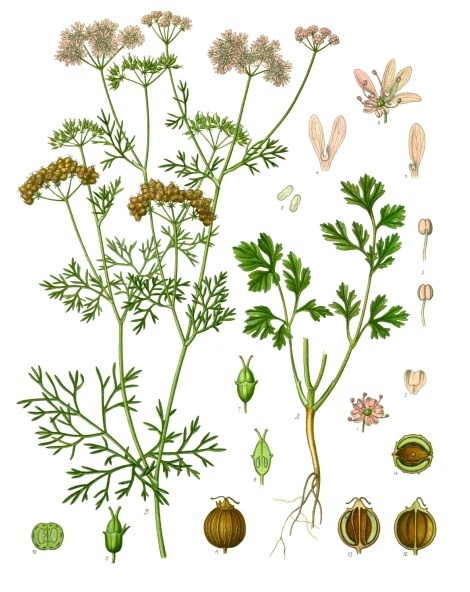
Sow thickly, ¼ inch deep. Cilantro bolts quickly in warm weather; February sowings get the best harvest window. Choose 'Slow-Bolt' varieties. Succession sow every 3 weeks through March.
🪴 Transplant
Set out cool-season transplants for spring harvest
February is the last opportunity to transplant brassica starts that will mature before summer heat. Transplants set out now will head up in April–May, just at the edge of Zone 9's reliable harvest window.

Space 18–24 inches apart in rows 24–30 inches apart. Choose fast-maturing varieties under 75 days for February transplants to ensure harvest before May heat. Water in with seaweed solution to reduce transplant shock.

Transplant 18 inches apart; February transplants will produce side shoots through April–May. If growing in a raised bed, incorporate a handful of balanced granular fertilizer at planting.

Space 8–10 inches apart. Bok choy matures in 45–60 days — February transplants will be ready in April. Bolt-resistant varieties like 'Joi Choi' handle warming spring temperatures better.
🧺 Harvest
Harvest peak cool-season crops before spring bolting
February brings the final peak of cool-season produce in Zone 9 before warming days trigger bolting. Harvest heads and roots now before quality declines — broccoli side shoots are especially productive this month.
Harvest central heads and continue cutting side shoots every 3–5 days. Side shoots can produce for 4–6 weeks after the main head is cut. Cut at an angle to prevent water pooling in the cut stem.

Harvest immediately when curds are full and tight — cauliflower does not hold on the plant like broccoli. Wrap remaining heads in their own leaves to blanch and protect from February rains.

Pick snap and shelling peas when pods are plump but before they yellow. Check plants daily — overripe peas become starchy within 48 hours. Shell peas dry on the vine for seed saving.

Harvest outer leaves or cut whole heads at soil level. Cut-and-come-again varieties like 'Black Seeded Simpson' will regrow from the crown for 2–3 more harvests.

January-sown carrots won't be ready, but October-sown carrots are now fully mature. Harvest before soil warms above 60°F, which softens roots and reduces sweetness.
🛠️ Maintenance
Fertilize citrus trees and winter herbs
February marks the start of the citrus growth flush in Zone 9. Applying fertilizer now feeds the burst of new leaves and flower buds that set the crop for next winter's harvest.
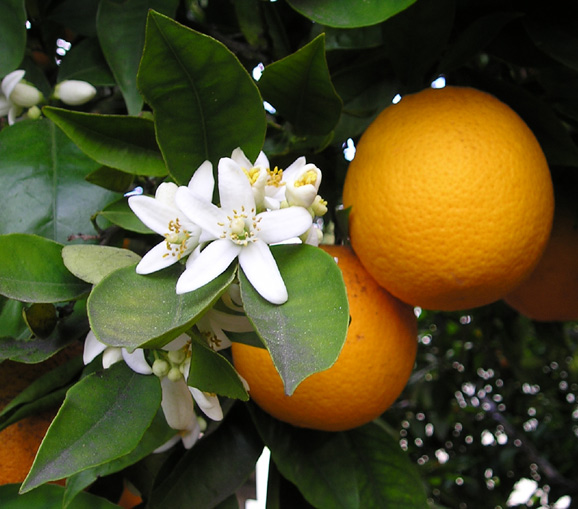
Citrus (all varieties)
Apply citrus-formula granular fertilizer (with iron, manganese, and zinc micronutrients) at the drip line. Water in thoroughly. Do not fertilize if a frost is forecast within 2 weeks — tender new growth is frost-sensitive.

Prune back by one-third after bloom to encourage bushy new growth. Apply a light top-dressing of compost around the base. Rosemary thrives in Zone 9's dry winters with minimal supplemental water.

Cut woody stems back by half in late February to rejuvenate the plant. Divide crowded clumps and replant divisions 12 inches apart. Light top-dressing of compost improves soil structure around shallow roots.
When to plant this month's crops in Zone 9
Full planting calendars — start indoors, transplant, and harvest timing — for the crops you're planting in February.


General February tasks
These apply broadly regardless of zone — a useful checklist alongside the zone-specific tasks above.
- ✓Start tomatoes, peppers, and eggplant indoors 8–10 weeks before last frost (cold zones)
- ✓Direct sow cool-season crops outdoors in Zones 8–10
- ✓Prune roses once forsythia begins to bloom (traditional timing cue)
- ✓Apply late dormant oil sprays before buds break on fruit trees
- ✓Begin chitting (sprouting) seed potatoes indoors
- ✓Fertilize spring-blooming bulbs as they emerge
- ✓Direct sow sweet peas outdoors in mild climates
- ✓Transplant bare-root trees and shrubs while dormant
⚠ Watch-outs for February
- ⚠Late hard freezes are common — don't rush transplanting in cold zones
- ⚠Seedlings started indoors need supplemental light (12–16 hrs) to avoid stretching
- ⚠Wet February soils compact easily; wait for soil to dry before working
- ⚠Fruit trees breaking dormancy early are vulnerable to late frost — have covers ready
February in Zone 9: common questions
What can I plant in February in Zone 9?+
In February, Zone 9 gardeners can sow or transplant Tomatoes, Peppers, Eggplant, Basil, Russet Potato, Red Pontiac Potato, Yukon Gold Potato, and Spinach. February in Zone 9 marks the transition from pure cool-season to a two-front gardening month — harvest peak brassicas and citrus while simultaneously planting potatoes, starting warm-season seeds indoors, and direct sowing the last cool-season greens.
When is the last and first frost in Zone 9?+
Zone 9 typically has its last spring frost around Late January – late February and its first fall frost around Early December – early January, giving a growing season of roughly 270–310 days. Always check a local frost-date source, since microclimates vary.
What's ready to harvest in February in Zone 9?+
In February, Zone 9 gardeners are typically harvesting Broccoli, Cauliflower, Peas, Lettuce, and Carrots. Pick regularly — frequent harvesting keeps most crops producing longer.