
September in Zone 9
September is the beginning of Zone 9's best growing season — temperatures moderate to the 80s and 90s, soil is still warm for fast germination, and the entire cool-season repertoire can go into the ground. This is one of the most satisfying and productive months in the Zone 9 gardening calendar.
Quick answer · Updated October 2026
In September, Zone 9 gardeners can plant Carrots, Spinach, Lettuce, Beets, Turnips, Peas, Hardneck Garlic, and Softneck Garlic. It's also time to harvest Fall Tomatoes, Fall Peppers, Late-Season Eggplant, and Winter Squash. Zone 9's last frost is around Late January – late February and first frost around Early December – early January — the full task list below has exact timing for each crop.
Jump to another month
- Min Winter Temp
- 20 to 30 °F / -7 to -1 °C
- Last Spring Frost
- Late January – late February
- First Fall Frost
- Early December – early January
- Growing Season
- 270–310 days
- Annual Rainfall
- 10–55 in
Gardening in September in Zone 9
September is peak growing season in Zone 9. With a frost-free stretch running roughly Late January – late February to Early December – early January — about 270–310 days — the garden is in full swing, balancing succession sowing with steady harvests.
This month, Zone 9 gardeners are getting Carrots, Spinach, Lettuce, Beets, Turnips, and Peas into the ground or under lights while harvesting Fall Tomatoes, Fall Peppers, Late-Season Eggplant, and Winter Squash from earlier plantings. The task cards below give spacing, depth, and timing for each.
About September in the garden
September is the start of fall and a second growing season for cool-zone gardeners. Temperatures cool to optimal ranges for leafy greens and root vegetables. First frost arrives in cold zones, triggering final harvests.
Direct sowing fall crops; first frost possible in Zones 3–5; harvesting winter squash and pumpkins; planting garlic and spring bulbs; fall clean-up begins.
- Season
- fall
- Temperature trend
- Rapidly cooling in northern zones; first frosts possible in cold areas after mid-month.
- Daylight
- Fall equinox around September 22; days and nights equal, then nights lengthen.
- Zone 9 last frost
- Late January – late February
- Zone 9 first frost
- Early December – early January
0
Sow indoors
10
Sow outdoors
7
Transplant
4
Harvest
4
Maintenance
🌿 Sow outdoors
Direct sow the full range of cool-season crops
September soil in Zone 9 is warm (70–80°F) for rapid germination while air temperatures are moderate enough for cool-season crop establishment. This is the single best direct-sowing month of the year for Zone 9 cool-season crops.

Sow ¼ inch deep in loose, deeply worked soil free of rocks (which cause forked roots). Space seeds ½ inch apart in rows 12 inches apart; thin to 2–3 inches when seedlings are 2 inches tall. 'Nantes', 'Chantenay', and 'Danvers' varieties are reliable in Zone 9 fall gardens. Keep the seedbed consistently moist — carrots can take 14–21 days to germinate.

Sow ½ inch deep, 2 inches apart, in rows 12 inches apart; thin to 4–6 inches. September soil temperatures are ideal for quick, even germination. 'Tyee' and 'Bloomsdale Long Standing' perform best in Zone 9.

Sow ⅛ inch deep or surface-sow with light compost cover. September's moderating temperatures allow full-sun sowing — unlike August, when shade is required. Direct sow a mix of leaf, romaine, and butterhead types for variety through winter.

Sow 1 inch deep, 3 inches apart; thin to 4 inches. September beets are ready in November–December. 'Bull's Blood' beets double as colorful ornamentals in the fall garden. Thinnings make excellent baby beet greens for salads.

Sow ¼ inch deep, thinning to 4–6 inches. Turnips mature in just 35–45 days — September sowings will be ready in October. Both roots and greens are edible; Zone 9 gardeners often grow turnips specifically for the nutritious tops.

Sow 1–2 inches deep, 2–3 inches apart, on a trellis or support. September is the opening of Zone 9's pea season — plants grow through fall and produce in November–January. 'Sugar Snap', 'Oregon Sugar Pod', and 'Green Arrow' all excel.
Plant garlic and overwintering alliums
September through November is the planting window for garlic in Zone 9. Planting in September gives cloves time to root before winter and produces the largest bulbs at May–June harvest.
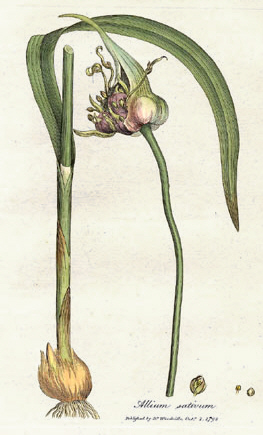
Plant individual cloves 2 inches deep, 6 inches apart, in rows 12 inches apart, pointed end up. Choose large cloves from the outer ring of the bulb — larger cloves produce larger bulbs. Apply 2 inches of mulch over the bed after planting.
Plant 1–2 inches deep, 4–6 inches apart. Softneck varieties like 'California Early' and 'Inchelium Red' are adapted to Zone 9's mild winters and store for up to 12 months when properly cured.

Plant sets 1 inch deep, 4–6 inches apart. In Zone 9, fall-planted onions grow through winter and produce large bulbs by May–June. Choose short-day varieties suited to Zone 9: 'Texas 1015 Supersweet', 'Granex', or 'Red Creole'.

Plant individual bulbs 1–2 inches deep, 6 inches apart, in rows 12 inches apart. Shallots planted in fall overwinter as established plants and produce clusters of 4–8 bulbs by June harvest. Divide large clusters and replant for a perpetual supply.
🪴 Transplant
Transplant fall brassica starts into the garden
Brassica transplants started indoors in July–August are the right size for outdoor planting in September. Setting them out now gives them the cool fall months to develop full heads before winter.

Space 18–24 inches apart in rows 24–30 inches apart. September-transplanted broccoli typically heads up in November–December in Zone 9. Apply balanced fertilizer at planting and again 3 weeks later. Water consistently — uneven moisture causes hollow stems.

Set out 18–24 inches apart. Tie outer leaves over forming curds with a rubber band to blanch (keep white) once heads are visible. Zone 9's mild fall climate is excellent for producing dense, white cauliflower heads without the challenges of spring cold.

Space 18–24 inches apart. Cabbage transplanted in September forms tight heads in December–January in Zone 9. Choose varieties adapted to fall planting: 'Deadon', 'Mammoth Red Rock', or 'Savoy Ace' perform well.

Space 24–30 inches apart. Brussels sprouts need the longest growing season of any brassica — September transplants will be harvesting by December–January. 'Jade Cross' and 'Long Island Improved' are reliable Zone 9 choices. Remove lower leaves as sprouts form.
Plant strawberry crowns for winter and spring production
September and October are the ideal months to establish strawberry beds in Zone 9. Fall-planted strawberries grow roots through the cool season and produce heavily in March–May next year.

Plant bare-root crowns with the crown at soil level — not buried, not too high. Space 12–18 inches apart. Remove flower buds the first season to build plant vigor. 'Chandler' and 'Camarosa' are top performers in Zone 9.
Plant 12–15 inches apart. Day-neutral varieties like 'Seascape' and 'Albion' produce fruit from spring through fall and are excellent for Zone 9 gardens. Fertilize monthly with balanced granular fertilizer during the growing season.
Set crowns at soil level, 12 inches apart. Everbearing varieties produce in spring and fall — perfect for Zone 9's two-season garden. Remove runners to keep plants productive; rooted runners can be transplanted to expand the bed.
🧺 Harvest
Peak fall tomato and pepper harvest
Fall tomatoes and peppers planted in August–September hit their peak production window in mid-to-late September as Zone 9 temperatures drop into the ideal 70–85°F range for fruit set. This second crop is often Zone 9's most productive of the year.

Harvest daily as fruit ripens. Zone 9's September days are warm and nights cool — the ideal differential for maximum lycopene (flavor and color) development. Fall tomatoes often have richer flavor than summer-stressed spring crops.

September is when fall pepper plants really begin to set fruit. Bell peppers will ripen to full color in October–November. Hot peppers benefit from the cooler nights — capsaicin levels can be higher in fall-harvested peppers.

September is excellent for eggplant in Zone 9 — warm enough for continued production, cool enough for fruit quality. Harvest every 2–3 days. Plants will continue producing until temperatures drop below 50°F regularly.
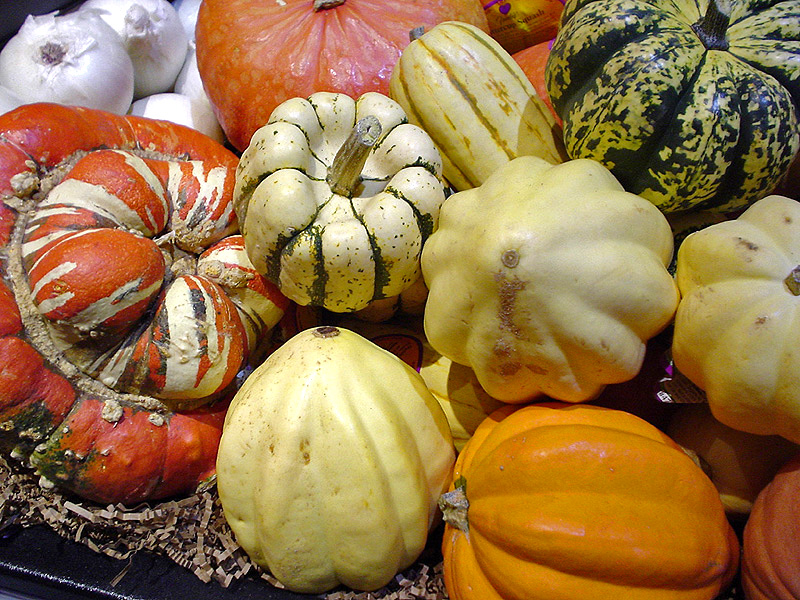
Check for maturity: the stem should be dry and corky, skin hard enough to resist a fingernail, and the ground spot (where squash rested on soil) should be cream-colored. Harvest all before the first frost, even if not fully ripe — green squash ripens in storage.
🛠️ Maintenance
Plant spring-blooming bulbs for fall color
Zone 9's mild winters are not cold enough to reliably naturalize traditional tulips, but many spring-blooming bulbs thrive with pre-chilling or by choosing naturally lower-chill-requirement varieties.

Ranunculus
Plant corms 'claw-side down' 2 inches deep, 4–6 inches apart. Ranunculus blooms prolifically in Zone 9's February–April without any chilling requirement and produces garden-worthy cut flowers in extraordinary quantities.

Anemone (de Caen)
Plant corms 2–3 inches deep, 4–6 inches apart. Soak corms for 2–4 hours before planting. Anemones bloom January–March in Zone 9 with no chilling — one of the best low-chill spring bulbs for warm climates.

Refrigerate bulbs at 35–45°F for 6–8 weeks before planting in November–December. Without chilling, Zone 9 tulips produce poor blooms. Plant 6 inches deep, 4–6 inches apart. Treat as annuals — most don't perennialize in Zone 9.

Plant 4–6 inches deep, 6–8 inches apart in September. 'Ice Follies', 'Thalia', and Tazetta-types naturalize well in Zone 9 without pre-chilling. Plant in drifts under deciduous trees for a spectacular late-winter display.
When to plant this month's crops in Zone 9
Full planting calendars — start indoors, transplant, and harvest timing — for the crops you're planting in September.


General September tasks
These apply broadly regardless of zone — a useful checklist alongside the zone-specific tasks above.
- ✓Plant garlic cloves 4–6 weeks before ground freezes
- ✓Direct sow spinach, mâche, and overwintering lettuce varieties
- ✓Harvest winter squash, pumpkins, and dried beans as plants die back
- ✓Plant spring bulbs: tulips, daffodils, hyacinths, crocuses
- ✓Divide and transplant perennials: hostas, daylilies, irises
- ✓Take cuttings of tender perennials to overwinter indoors
- ✓Apply fall fertilizer to lawns and perennial beds
- ✓Begin fall clean-up: remove spent annuals, cut back perennials
⚠ Watch-outs for September
- ⚠First frost warnings in cold zones — protect tender crops or harvest before freeze
- ⚠Don't cut back ornamental grasses or late-season perennials yet — they provide fall habitat
- ⚠Fall is prime time for lawn grubs — apply biological controls (milky spore, nematodes) now
- ⚠Deer browse pressure increases as natural food sources diminish
September in Zone 9: common questions
What can I plant in September in Zone 9?+
In September, Zone 9 gardeners can sow or transplant Carrots, Spinach, Lettuce, Beets, Turnips, Peas, Hardneck Garlic, and Softneck Garlic. September is the beginning of Zone 9's best growing season — temperatures moderate to the 80s and 90s, soil is still warm for fast germination, and the entire cool-season repertoire can go into the ground. This is one of the most satisfying and productive months in the Zone 9 gardening calendar.
When is the last and first frost in Zone 9?+
Zone 9 typically has its last spring frost around Late January – late February and its first fall frost around Early December – early January, giving a growing season of roughly 270–310 days. Always check a local frost-date source, since microclimates vary.
What's ready to harvest in September in Zone 9?+
In September, Zone 9 gardeners are typically harvesting Fall Tomatoes, Fall Peppers, Late-Season Eggplant, and Winter Squash. Pick regularly — frequent harvesting keeps most crops producing longer.