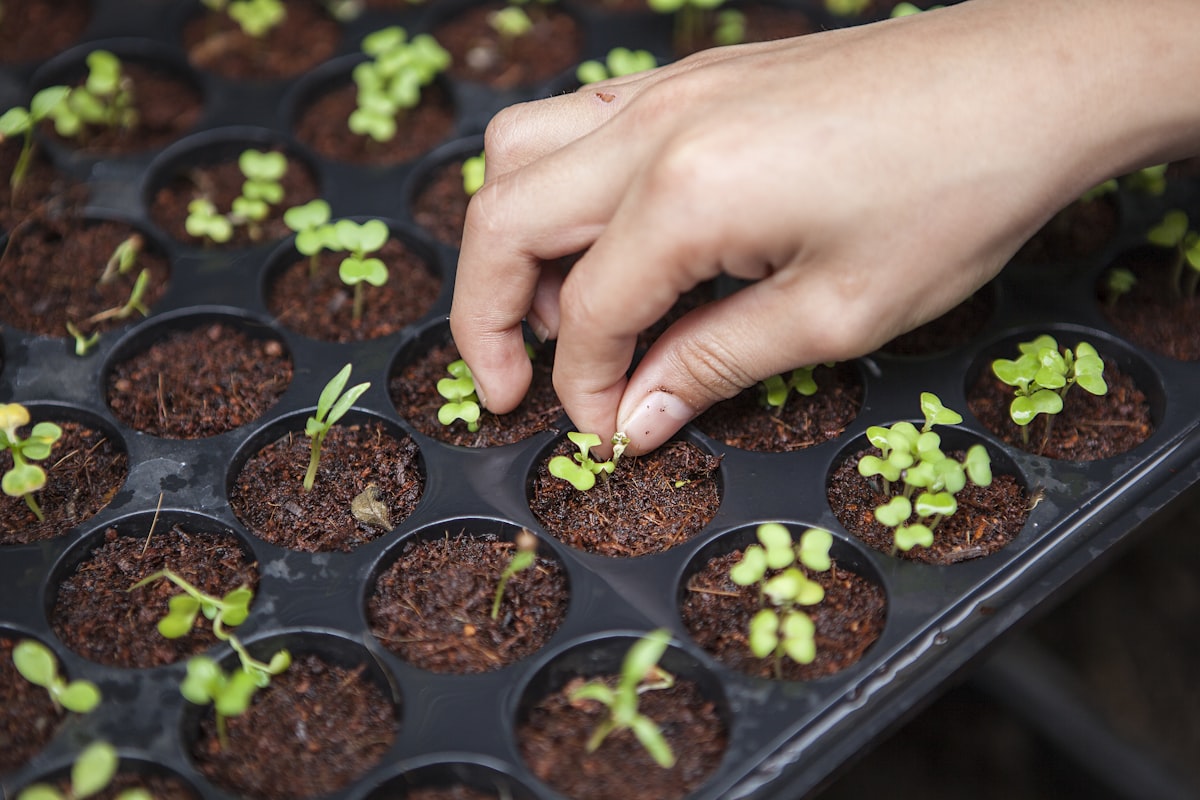
June in Zone 9
June in Zone 9 is full summer — temperatures regularly hit 95–105°F and the garden demands daily attention. Focus on harvesting heat-tolerant crops, maintaining irrigation, and scouting for pests that proliferate in the heat.
Quick answer · Updated October 2026
In June, Zone 9 gardeners can plant Okra, Armenian Cucumber, Sweet Basil, and Calabaza / Winter Squash. It's also time to harvest Tomatoes, Bell Peppers, Eggplant, Okra, and Blueberries. Zone 9's last frost is around Late January – late February and first frost around Early December – early January — the full task list below has exact timing for each crop.
Jump to another month
- Min Winter Temp
- 20 to 30 °F / -7 to -1 °C
- Last Spring Frost
- Late January – late February
- First Fall Frost
- Early December – early January
- Growing Season
- 270–310 days
- Annual Rainfall
- 10–55 in
Gardening in June in Zone 9
June is peak growing season in Zone 9. With a frost-free stretch running roughly Late January – late February to Early December – early January — about 270–310 days — the garden is in full swing, balancing succession sowing with steady harvests.
This month, Zone 9 gardeners are getting Okra (second planting), Armenian Cucumber, Sweet Basil, and Calabaza / Winter Squash into the ground or under lights while harvesting Tomatoes, Bell Peppers, Eggplant, Okra, and Blueberries from earlier plantings. The task cards below give spacing, depth, and timing for each.
About June in the garden
June marks the start of summer and peak garden productivity. Warm-season crops are established and growing fast. The summer solstice brings the longest day of the year. Harvest begins for many early-season vegetables.
First harvests of peas, lettuce, and radishes; rapid growth of tomatoes and cucumbers; succession sowing of warm-season crops; perennial beds at peak bloom.
- Season
- summer
- Temperature trend
- Summer temperatures arrive; heat builds through the month. Summer solstice around June 21.
- Daylight
- Longest days of the year; summer solstice brings 14–16+ hours of daylight.
- Zone 9 last frost
- Late January – late February
- Zone 9 first frost
- Early December – early January
0
Sow indoors
4
Sow outdoors
0
Transplant
5
Harvest
9
Maintenance
🌿 Sow outdoors
Final planting of heat-tolerant summer crops
June is the last month to establish warm-season crops from seed in Zone 9. Only the most heat-tolerant crops can still be planted — focus on short-season varieties of okra, Southern peas, and herbs.

A second sowing in early June provides a fresh flush of productive plants in August–September when first-planting plants slow down. Sow 1 inch deep, 18 inches apart. In 55–65 days the second crop will be producing at peak.

This heat-tolerant cucumber relative (technically a muskmelon) can still be planted in early June. Sow 1 inch deep on a trellis. Handles 100°F+ heat that wilts standard cucumbers. Harvest at 12–18 inches for best texture.

Plant out 6–8 week transplants started in April, or direct sow in early June in partial shade for best results. In Zone 9's full summer sun, basil benefits from afternoon shade. Pinch flower buds immediately to maintain leaf production.
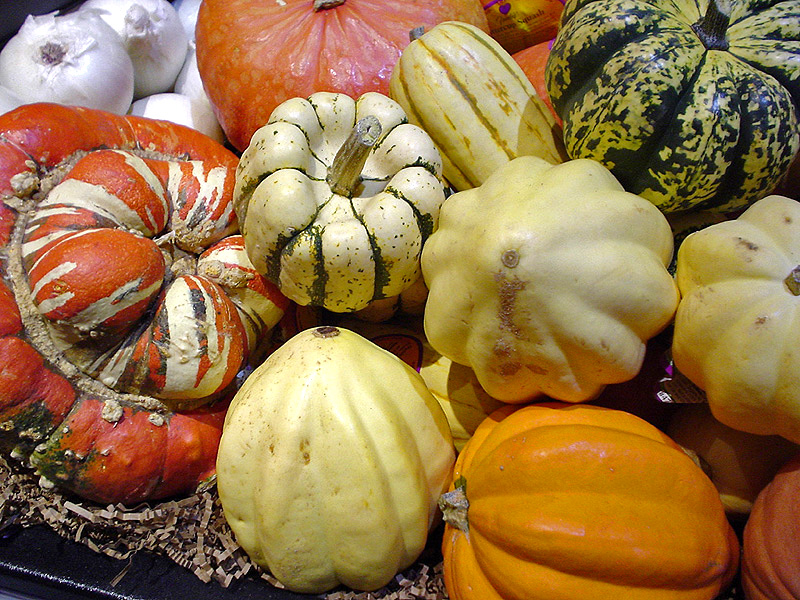
Early June is the last practical date to plant long-season winter squash in Zone 9. Sow 3–4 seeds per hill, 1 inch deep, thinning to 2. Choose varieties under 90 days like 'Delicata' or 'Acorn' for reliable maturation.
🧺 Harvest
Harvest tomatoes, peppers, eggplant, and okra
June heat accelerates ripening dramatically — tomatoes can go from pink to overripe in 48 hours, and okra pods missed for even two days become woody and inedible. Daily harvesting is not an exaggeration in Zone 9 June.

Harvest when fully colored and slightly soft to the touch. In high heat above 95°F, tomatoes may show green shoulders or pale color even when ripe — do not wait for perfect color. If a heat wave is forecast, harvest all breaker-stage fruit indoors to ripen at room temperature.

Harvest green peppers at full size (firm, glossy) or leave to ripen to red, yellow, or orange. Color change takes 1–2 weeks in June heat. Wear gloves when harvesting hot peppers — capsaicin transfers to eyes and skin.

Harvest when skin is shiny and fruit gives slightly under finger pressure. Dull skin indicates over-maturity and bitterness. Cut with pruners, leaving a short stem. Eggplant thrives in Zone 9's June heat and can be incredibly productive.
Harvest every 1–2 days when pods are 3–5 inches long and still tender. At 95°F+, pods can grow from perfect to woody in 48 hours. Wear long sleeves — okra leaf spines irritate skin. The more you harvest, the more the plant produces.

Rabbiteye blueberries (the primary Zone 9 type) ripen June–August. Harvest when berries are fully blue and sweet — color turns blue before peak ripeness, so taste before picking. Pick every 3–5 days at peak season.
🛠️ Maintenance
Manage irrigation for peak summer demand
Zone 9 summer evapotranspiration rates are among the highest in the country. In June, vegetable gardens need 2–3 inches of water per week to maintain productivity — equivalent to running a drip system 30–45 minutes daily.

Vegetable Bed Irrigation
Water deeply and less frequently rather than shallowly and often. Deep watering encourages deep root growth that is more drought-resilient. Check soil moisture 4 inches deep — if dry, water; if moist, skip. Avoid water stress during flowering and fruit set.
Fruit Tree Deep Watering
Deep water established fruit trees every 7–10 days. Apply water at the drip line, not at the trunk. Use a slow-fill basin or drip irrigation running for 2–4 hours to wet soil 18–24 inches deep.
Container Garden Irrigation
Containers may need daily watering in June heat. Check by lifting — a light pot is dry. Add water-retaining crystals to potting mix or use self-watering containers with reservoirs to reduce frequency.
Scout for summer pests and manage heat stress
Spider mites, whiteflies, and thrips explode in Zone 9's hot, dry June conditions. Weekly scouting and early intervention prevents populations from reaching damaging levels. Heat stress symptoms — wilting, blossom drop — require prompt attention.

Spider Mite Management
Look for fine webbing on leaf undersides and stippled, bronzed foliage. Blast leaves with strong jets of water to dislodge mites. Neem oil or insecticidal soap applied in early morning (not when above 90°F) controls moderate infestations. Avoid broad-spectrum pesticides that kill predatory mites.
Whitefly Management
Yellow sticky traps monitor populations. Reflective mulch (silver plastic) deters whiteflies. Insecticidal soap controls crawlers but not adults. Whiteflies secrete honeydew that causes sooty mold — wipe affected leaves with a damp cloth.
Blossoms drop when night temperatures stay above 75°F or day temps exceed 95°F. Shade cloth (30–40%) can reduce blossom drop. Ensure consistent irrigation — irregular watering causes blossom-end rot and cracking. Plants will resume setting when temperatures moderate.
Prepare soil in empty beds for fall planting
Beds vacated by cool-season crops can be improved over summer for a better fall garden. Incorporating organic matter now allows it to begin decomposing and integrating into soil structure before September planting.
Cover Crop Sowing
Sow heat-tolerant cover crops in empty beds: cowpeas, sorghum-sudangrass, or buckwheat. These add organic matter, suppress weeds, and in the case of cowpeas, fix nitrogen. Terminate and incorporate 3–4 weeks before fall planting.

Compost Application
Spread 3–4 inches of compost on empty beds and till lightly into the top 6 inches. Cover with mulch to prevent soil from crusting in summer rain events. The compost will continue decomposing and improving soil structure over summer.
pH and Nutrient Testing
Take soil samples from empty beds in June and submit for analysis. Results take 2–4 weeks — this gives you time to amend soil before fall planting. Zone 9 soils often become alkaline over time, particularly in arid areas like Tucson and Sacramento.
When to plant this month's crops in Zone 9
Full planting calendars — start indoors, transplant, and harvest timing — for the crops you're planting in June.


General June tasks
These apply broadly regardless of zone — a useful checklist alongside the zone-specific tasks above.
- ✓Harvest peas, lettuce, and radishes before bolting
- ✓Succession sow beans and summer squash every 2–3 weeks
- ✓Side-dress tomatoes, peppers, and corn with balanced fertilizer
- ✓Mulch all vegetable beds 2–4 inches to retain moisture and suppress weeds
- ✓Stake and train indeterminate tomatoes weekly
- ✓Begin regular deep watering schedule (1 inch per week)
- ✓Plant fall broccoli, cabbage, and Brussels sprout seedlings (cold zones)
- ✓Harvest garlic scapes from hardneck varieties
⚠ Watch-outs for June
- ⚠Cool-season crops bolt quickly as temperatures rise — harvest promptly and pull when done
- ⚠Spider mites appear in hot, dry conditions — check leaf undersides and treat early
- ⚠Blossom drop in tomatoes and peppers when nights are too warm (above 70°F)
- ⚠Japanese beetles emerge in late June in the East — hand-pick or use traps
June in Zone 9: common questions
What can I plant in June in Zone 9?+
In June, Zone 9 gardeners can sow or transplant Okra (second planting), Armenian Cucumber, Sweet Basil, and Calabaza / Winter Squash. June in Zone 9 is full summer — temperatures regularly hit 95–105°F and the garden demands daily attention. Focus on harvesting heat-tolerant crops, maintaining irrigation, and scouting for pests that proliferate in the heat.
When is the last and first frost in Zone 9?+
Zone 9 typically has its last spring frost around Late January – late February and its first fall frost around Early December – early January, giving a growing season of roughly 270–310 days. Always check a local frost-date source, since microclimates vary.
What's ready to harvest in June in Zone 9?+
In June, Zone 9 gardeners are typically harvesting Tomatoes, Bell Peppers, Eggplant, Okra, and Blueberries. Pick regularly — frequent harvesting keeps most crops producing longer.