July in Zone 9
July is the hottest month in Zone 9 — temperatures regularly reach 100–110°F in Sacramento and Fresno. All outdoor work happens before 9 a.m. Focus is on maintaining existing crops, harvesting daily, and starting fall transplants indoors under lights.
Quick answer · Updated October 2026
In July, Zone 9 gardeners can plant Fall Tomatoes, Fall Peppers, Broccoli, Cauliflower, Cabbage, Okra, Cowpeas, and Malabar Spinach. It's also time to harvest Okra, Eggplant, Peppers, Tomatoes, and Southern Peas / Cowpeas. Zone 9's last frost is around Late January – late February and first frost around Early December – early January — the full task list below has exact timing for each crop.
Jump to another month
- Min Winter Temp
- 20 to 30 °F / -7 to -1 °C
- Last Spring Frost
- Late January – late February
- First Fall Frost
- Early December – early January
- Growing Season
- 270–310 days
- Annual Rainfall
- 10–55 in
Gardening in July in Zone 9
July is peak growing season in Zone 9. With a frost-free stretch running roughly Late January – late February to Early December – early January — about 270–310 days — the garden is in full swing, balancing succession sowing with steady harvests.
This month, Zone 9 gardeners are getting Fall Tomatoes, Fall Peppers, Broccoli, Cauliflower, Cabbage, and Okra (third succession) into the ground or under lights while harvesting Okra, Eggplant, Peppers, Tomatoes, and Southern Peas / Cowpeas from earlier plantings. The task cards below give spacing, depth, and timing for each.
About July in the garden
July is the peak of summer heat and productivity. Gardens need consistent water and pest monitoring. The first tomatoes and cucumbers arrive in quantity. Fall planning begins in cool and temperate zones.
Peak harvest of beans, cucumbers, and summer squash; first ripe tomatoes; planting fall crops in cool zones; irrigation management dominates garden time.
- Season
- summer
- Temperature trend
- Hottest month in most of the US; heat stress on cool-season crops and some warm-season crops.
- Daylight
- Daylight begins slowly decreasing after solstice; still very long days (13–15 hours).
- Zone 9 last frost
- Late January – late February
- Zone 9 first frost
- Early December – early January
5
Sow indoors
3
Sow outdoors
0
Transplant
5
Harvest
5
Maintenance
🌱 Sow indoors
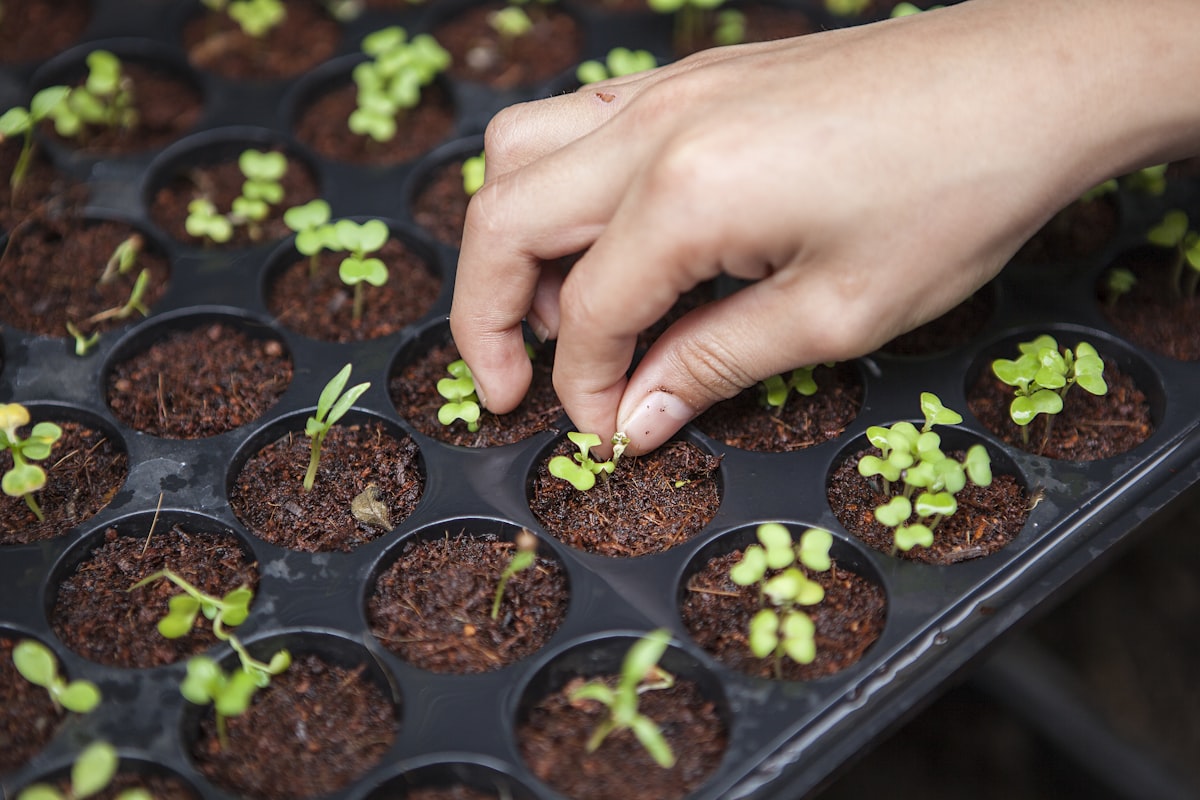
Start fall tomatoes, peppers, and brassicas indoors
Late July is the critical window for starting fall transplants indoors. Zone 9's fall garden — one of the most productive of the year — depends on having vigorous transplants ready for August–September planting.

Sow ¼ inch deep in seed-starting mix under grow lights at 75–80°F. Choose fast-maturing, heat-tolerant varieties: 'Celebrity', 'Sweet 100', or 'Juliet'. Grow under lights for 8 weeks before transplanting in late September.

Start under lights at 80°F. Fall peppers transplanted in September will fruit heavily October–December in Zone 9. Choose varieties with good cool-weather fruit set like 'Gypsy' or 'King of the North'.

Sow in cell trays, 2 seeds per cell, thinning to 1. Grow under lights or in a bright, air-conditioned space — outdoor temperatures are too extreme for delicate brassica seedlings in July. Transplant outdoors in late August or September.

Start seeds in mid-late July for September transplanting. Cauliflower is more cold-sensitive and heat-sensitive than broccoli — timing is critical. Varieties like 'Snow Crown' mature in 55 days and are ideal for fall planting.

Sow in cell trays for September–October transplanting. Fall cabbage planted in Zone 9 forms heads in November–December. 'Savoy Perfection' and 'Storage No. 4' are good choices for Zone 9 fall plantings.
🌿 Sow outdoors
Plant heat-tolerant late-summer crops
A few crops can still be established from seed outdoors in early July in Zone 9. Focus on extremely heat-tolerant varieties with harvest dates that don't require waiting until the coolest months.

Sow in early July for September–October harvest. Okra germinates best when soil temperatures are above 70°F — Zone 9's July soil is ideal. This planting will produce prolifically when first-year plants decline.

Sow in early July in full sun. Cowpeas are the most heat-tolerant legume available to Zone 9 gardeners — they actively grow and produce in conditions that would kill any other bean. Harvest fresh in September.

Sow 1 inch deep in full sun; Malabar spinach is a tropical vine that thrives in Zone 9's extreme heat when standard spinach fails completely. Harvest young leaves and stems as a summer spinach substitute. Requires a trellis.
🧺 Harvest
Harvest summer crops in early morning before heat builds
In Zone 9's July heat, all harvesting should happen between 6–9 a.m. Vegetables harvested in the heat wilt rapidly and lose sugars quickly. Early morning harvest also spares gardeners from dangerous heat exposure.
Harvest every morning before 9 a.m. when pods are 3–5 inches and tender. Wear long sleeves and gloves — okra spines are irritating in hot weather when skin is sweaty. July-planted okra (from June sowing) begins producing now.

Eggplant is at peak production in Zone 9's July heat — it is one of the few crops that truly loves extreme heat. Harvest every 2–3 days. Leaving overripe fruit on the plant signals it to stop producing; cut all fruit promptly.
Summer heat exceeding 95°F often causes blossom drop and a mid-summer production pause. Harvest any fruit that has set and wait — plants will resume setting fruit when temperatures moderate in September.
Most tomato varieties experience blossom drop above 95°F night temperatures. Harvest all ripe and breaker-stage fruit. Heat-set varieties like 'Solar Fire' and 'Heatmaster' continue producing — standard varieties typically pause.
April-planted cowpeas are producing prolifically in July heat. Harvest green pods for fresh shelling, or allow pods to dry on the vine for dried beans. Pick continuously to prolong the harvest period.
🛠️ Maintenance
Intensive heat management for summer crops
July in Zone 9 requires active management to prevent heat-related crop failures. Consistent irrigation, shade cloth, and mulch maintenance are not optional — they are the difference between a productive garden and a scorched one.

Mulch Replenishment
Check mulch depth around all plants; add more to maintain 4–6 inches. In Zone 9's July heat, exposed soil surfaces can reach 140°F — enough to cook shallow roots. Mulch keeps root zone soil 15–25°F cooler.

Irrigation Monitoring
Check drip emitters weekly for clogging — mineral deposits common in hard-water areas like Sacramento and Tucson clog emitters in summer. In 100°F heat, even a single skipped irrigation day can permanently damage plants. Consider adding a second daily watering cycle for containers.

Shade Cloth Management
Ensure 30–40% shade cloth is properly secured over heat-sensitive plants like peppers and lettuce starts. Check for gaps where hot direct sun penetrates in the afternoon. The hottest sun exposure in Zone 9 is from 1–5 p.m.
Soil preparation in empty beds
July is an excellent time for solarizing soil in empty beds to kill weed seeds, nematodes, and soilborne pathogens — leveraging Zone 9's extreme heat as a free fumigation tool.

Soil Solarization
Water bed thoroughly, then cover tightly with clear plastic sheeting, securing edges with soil or rocks. Leave in place for 4–6 weeks in July–August sun. Soil temperatures under clear plastic reach 130–160°F, killing most weed seeds and pathogens to 6 inches deep.
Compost Preparation
Turn compost piles in July — the combination of heat and moisture in Zone 9 summer creates ideal decomposition conditions. A well-managed compost pile in July can produce finished compost in 3–4 weeks. This compost is ready to incorporate into fall beds in September.
When to plant this month's crops in Zone 9
Full planting calendars — start indoors, transplant, and harvest timing — for the crops you're planting in July.


General July tasks
These apply broadly regardless of zone — a useful checklist alongside the zone-specific tasks above.
- ✓Harvest cucumbers, beans, and summer squash every 2–3 days to keep plants producing
- ✓Direct sow fall brassica crops: broccoli, cabbage, kale (cold and temperate zones)
- ✓Start fall tomato transplants indoors (Zone 9–10)
- ✓Deep water fruit trees and berry bushes in heat
- ✓Harvest and dry herbs before they flower
- ✓Apply second application of granular fertilizer to heavy feeders
- ✓Pull spent cool-season crops and replant with warm-season crops or cover crop
- ✓Harvest garlic when bottom leaves brown; cure in warm, airy location
⚠ Watch-outs for July
- ⚠Heat stress causes tomatoes to drop blossoms and lose flavor — mulch and water consistently
- ⚠Powdery mildew starts on squash, cucumbers, and phlox in July — treat at first sign
- ⚠Squash vine borers emerge in most zones — check stem bases and treat if found
- ⚠Water early in the morning to reduce evaporation and fungal disease
July in Zone 9: common questions
What can I plant in July in Zone 9?+
In July, Zone 9 gardeners can sow or transplant Fall Tomatoes, Fall Peppers, Broccoli, Cauliflower, Cabbage, Okra (third succession), Cowpeas (second succession), and Malabar Spinach. July is the hottest month in Zone 9 — temperatures regularly reach 100–110°F in Sacramento and Fresno. All outdoor work happens before 9 a.m. Focus is on maintaining existing crops, harvesting daily, and starting fall transplants indoors under lights.
When is the last and first frost in Zone 9?+
Zone 9 typically has its last spring frost around Late January – late February and its first fall frost around Early December – early January, giving a growing season of roughly 270–310 days. Always check a local frost-date source, since microclimates vary.
What's ready to harvest in July in Zone 9?+
In July, Zone 9 gardeners are typically harvesting Okra, Eggplant, Peppers, Tomatoes, and Southern Peas / Cowpeas. Pick regularly — frequent harvesting keeps most crops producing longer.