
October in Zone 9
October is one of Zone 9's finest gardening months — temperatures in the 70s and 80s create near-perfect growing conditions. The full fall garden is in production, succession sowing continues, and fall tomatoes and peppers deliver some of the best harvests of the year.
Quick answer · Updated October 2026
In October, Zone 9 gardeners can plant Lettuce, Spinach, Asian Greens, Cilantro, Mâche, Fava Beans, Austrian Winter Peas, and Crimson Clover. It's also time to harvest Fall Tomatoes, Bell Peppers, Early Broccoli, Lettuce, and Radishes. Zone 9's last frost is around Late January – late February and first frost around Early December – early January — the full task list below has exact timing for each crop.
Jump to another month
- Min Winter Temp
- 20 to 30 °F / -7 to -1 °C
- Last Spring Frost
- Late January – late February
- First Fall Frost
- Early December – early January
- Growing Season
- 270–310 days
- Annual Rainfall
- 10–55 in
Gardening in October in Zone 9
October is peak growing season in Zone 9. With a frost-free stretch running roughly Late January – late February to Early December – early January — about 270–310 days — the garden is in full swing, balancing succession sowing with steady harvests.
This month, Zone 9 gardeners are getting Lettuce, Spinach, Asian Greens, Cilantro, Mâche (Corn Salad), and Broccoli (late succession) into the ground or under lights while harvesting Fall Tomatoes, Bell Peppers, Early Broccoli, Lettuce (from August sowing), and Radishes from earlier plantings. The task cards below give spacing, depth, and timing for each.
About October in the garden
October is prime fall planting and harvest month. Cool-zone gardens wrap up the warm season and prepare for winter. Warm zones enter their second growing season — one of the most productive times of year. Fall color peaks across the country.
Harvesting root vegetables and storage crops; planting cover crops; mulching perennial beds; active cool-season gardening in warm zones; planting spring bulbs.
- Season
- fall
- Temperature trend
- Cool and variable; hard frosts arrive in most northern zones; warm zones enter optimal growing conditions.
- Daylight
- Short days, less than 12 hours; dropping temperature with less intensity than September.
- Zone 9 last frost
- Late January – late February
- Zone 9 first frost
- Early December – early January
0
Sow indoors
8
Sow outdoors
4
Transplant
5
Harvest
7
Maintenance
🌿 Sow outdoors
Succession sow cool-season crops for winter harvest
October allows continued succession sowing of fast-maturing cool-season crops for harvest through the winter months. Zone 9's mild climate means sowings made in October will produce right through February and March.

Continue succession sowing every 2–3 weeks for continuous harvest through April. October-sown lettuce grows slowly in the cool season but is sweet and slow to bolt. Try winter-specific varieties: 'Winter Density', 'Rouge d'Hiver', 'Forellenschluss'.

October-sown spinach grows slowly but steadily through winter in Zone 9, ready for harvest in December–February. Sow thickly and harvest as baby greens, or thin to 4–6 inches for full leaves. Flavor is best in cold weather.

Asian Greens
Sow mizuna, tatsoi, komatsuna, or pac choi ¼ inch deep in wide rows. Asian greens mature in just 40–45 days and are highly productive in Zone 9's cool season. Harvest cut-and-come-again for 3–4 cuttings per planting.
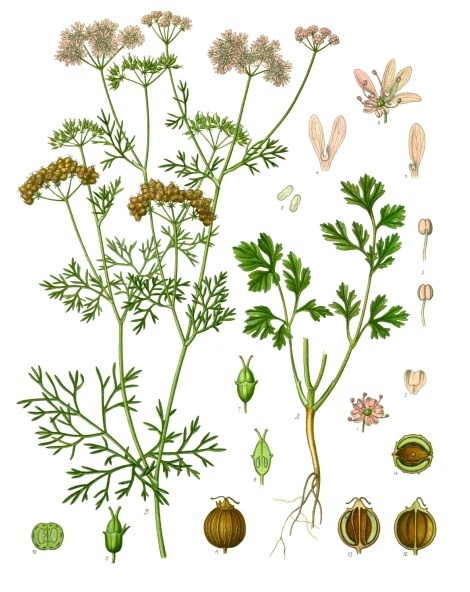
October begins the best cilantro season in Zone 9 — fall temperatures are ideal for slow, leafy growth without immediate bolting. Sow thickly, ¼ inch deep. Succession sow every 3 weeks through February for continuous harvest.
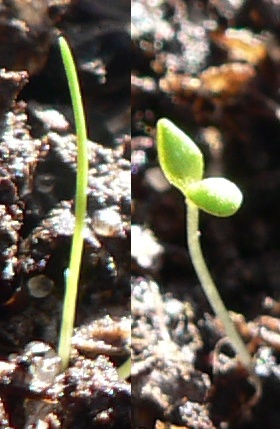
Mâche (Corn Salad)
Sow ¼ inch deep, broadcast or in rows 6 inches apart. Mâche is cold-hardy, slow-growing, and extremely flavorful — one of the best winter salad crops for Zone 9. Germinates well in October's cool soil.
Plant cover crops and fava beans
October is the ideal time to establish cover crops and fava beans for fall and winter nitrogen fixation. Fava beans are both a cover crop and a productive vegetable for Zone 9's cool season.

Sow 2 inches deep, 6 inches apart, in rows 18 inches apart. Fava beans are hardy to 20°F and produce prolifically in Zone 9's cool season. Harvest green beans when pods are plump, or allow to dry for dried favas. Also fixes nitrogen.

Austrian Winter Peas (cover crop)
Broadcast at 2–4 lbs per 100 sq ft and rake in lightly. Winter peas overwinter in Zone 9 and fix 80–120 lbs of nitrogen per acre. Terminate before flowering and incorporate as green manure in spring.

Crimson Clover
Broadcast at 1–2 lbs per 100 sq ft and rake lightly into soil. Crimson clover germinates in October's cool, moist weather and produces spectacular red blooms attractive to pollinators in spring. Mow or till in before seed set.
🪴 Transplant
Set out last brassica transplants for winter production
October is the final window to set out brassica transplants in Zone 9 and expect full heads before frost. Transplants set out in late October will mature in January–February.

Set out a final succession 18 inches apart. Late-planted broccoli will produce smaller but still excellent heads in January–February. Side shoots continue producing through March in a mild Zone 9 winter.

Transplant 8–10 inches apart for heads, or 4–6 inches for baby bok choy harvest. Bok choy tolerates Zone 9's occasional light frosts and is extremely productive. 'Joi Choi' and 'Shanghai Green' are reliable performers.

Set out August-started leek transplants, planting deep (4–6 inches) to blanch the white shaft. Space 6 inches apart. Leeks need 90–120 days from transplant — October plantings are ready in January–March, filling the winter harvest gap.

Transplant or direct sow 12 inches apart. Chard bridges the gap between cool and warm season — it tolerates both frost and moderate heat. October-planted chard produces through the entire Zone 9 winter and into next summer.
🧺 Harvest
Peak fall harvest: tomatoes, peppers, and early brassicas
October is harvest peak for both fall warm-season crops and early-maturing cool-season crops. Zone 9 gardeners enjoy a remarkable diversity of produce this month — warm-season crops reaching final harvest alongside the first cool-season crops of the new season.

October is peak production for fall-planted tomatoes in Zone 9. Harvest daily — nights are now cool enough to slow ripening, so check for breaker-stage fruit and bring indoors to ripen. First frost is still 6–8 weeks away; enjoy the harvest.

Bell peppers ripen from green to full color in October's cooler temperatures. Allow some to fully color to red, yellow, or orange for maximum sweetness and vitamin C content. Plants will continue producing until temperatures drop below 45°F at night.
September-transplanted early broccoli varieties ('Arcadia', 'Green Magic') may head up by mid-October in Zone 9. Harvest as soon as heads are compact and before any buds open. Cut at 45° to encourage side-shoot production.
August-sown lettuce is at perfect baby-leaf or full-head stage in October. Harvest outer leaves regularly to extend production, or cut entire heads at soil level. With re-watering, cut heads often re-sprout for a second cut.

August-September sown radishes have been harvesting for weeks. Keep succession sowings going every 2 weeks — October radishes are among the crispest and most flavorful of the year due to cool temperatures.
🛠️ Maintenance
Plant and care for fall ornamentals and herbs
October is ideal for establishing cool-season herbs that will provide fresh harvests through the entire Zone 9 winter — far outlasting the brief summer herb garden that gets destroyed by heat.

Direct sow ¼ inch deep or transplant from 4-inch containers, spacing 8–10 inches apart. Parsley germinates slowly (3–4 weeks) — soak seeds overnight to speed germination. October-planted parsley produces prolifically all winter and spring.
Plant transplants 4–6 inches apart for a quick start, or direct sow thickly. October through February is Zone 9's prime cilantro season — grow as much as possible before summer heat triggers bolting.

Chervil
Broadcast sow ¼ inch deep in partial shade — chervil prefers cool, shaded conditions. Germinates in October's cool weather and produces delicate anise-flavored leaves through winter. One of Zone 9's most underutilized winter herbs.

Set out transplants or direct sow in full sun, spacing 8–12 inches apart. Snapdragons are classic cool-season annuals for Zone 9 — they bloom prolifically November through April and are virtually frost-proof. Excellent cut flowers.
Manage fall irrigation and soil moisture
October rains may begin in Zone 9 (especially in Northern California), but irrigation systems should remain active through October. The transition to seasonal rains is gradual and unpredictable.

Irrigation Adjustment
Reduce drip irrigation frequency by 30–50% as temperatures drop and days shorten. Monitor soil moisture at 4-inch depth before irrigating. Over-watering cool-season crops in fall promotes root rot and fungal issues.

Fungal Disease Management
Fall humidity and morning dews create conditions for powdery mildew and botrytis on brassicas and lettuce. Ensure adequate plant spacing for air circulation. Apply sulfur-based fungicide preventively if conditions favor disease. Water in morning, not evening.

Fertilizer for Fall Crops
Side-dress broccoli, cabbage, and cauliflower with balanced granular fertilizer or compost tea 3–4 weeks after transplanting. Brassicas are heavy nitrogen feeders — adequate nutrition in October determines head quality at harvest.
When to plant this month's crops in Zone 9
Full planting calendars — start indoors, transplant, and harvest timing — for the crops you're planting in October.


General October tasks
These apply broadly regardless of zone — a useful checklist alongside the zone-specific tasks above.
- ✓Harvest root vegetables before hard freeze: carrots, parsnips, beets (or mulch in place)
- ✓Plant spring bulbs in all but the warmest zones
- ✓Plant garlic if not already done
- ✓Sow overwintering cover crops: winter rye, hairy vetch, crimson clover
- ✓Mulch perennial beds with 3–4 inches after ground cools but before hard freeze
- ✓Bring tender perennials indoors before first frost
- ✓Direct sow cool-season crops outdoors in Zones 7–9
- ✓Plant container shrubs and trees — root establishment continues until ground freezes
⚠ Watch-outs for October
- ⚠Harvest sweet potatoes before soil temperature drops below 50°F or they become damaged
- ⚠Don't compost diseased plant material — bag and discard it
- ⚠Protect late-planted garlic beds from heaving with light mulch
- ⚠In warm zones, watch for incoming frost on marginal dates — have covers ready
October in Zone 9: common questions
What can I plant in October in Zone 9?+
In October, Zone 9 gardeners can sow or transplant Lettuce, Spinach, Asian Greens, Cilantro, Mâche (Corn Salad), Fava Beans, Austrian Winter Peas (cover crop), and Crimson Clover. October is one of Zone 9's finest gardening months — temperatures in the 70s and 80s create near-perfect growing conditions. The full fall garden is in production, succession sowing continues, and fall tomatoes and peppers deliver some of the best harvests of the year.
When is the last and first frost in Zone 9?+
Zone 9 typically has its last spring frost around Late January – late February and its first fall frost around Early December – early January, giving a growing season of roughly 270–310 days. Always check a local frost-date source, since microclimates vary.
What's ready to harvest in October in Zone 9?+
In October, Zone 9 gardeners are typically harvesting Fall Tomatoes, Bell Peppers, Early Broccoli, Lettuce (from August sowing), and Radishes. Pick regularly — frequent harvesting keeps most crops producing longer.