
January in Zone 9
January in Zone 9 is prime cool-season growing — frost risk is nearly past and the garden is fully productive with brassicas, greens, root vegetables, and citrus all ready to harvest or plant.
Quick answer · Updated October 2026
In January, Zone 9 gardeners can plant Tomatoes, Peppers, Eggplant, Carrots, Beets, Radishes, Turnips, and Mustard Greens. It's also time to harvest Navel Orange, Eureka Lemon, Broccoli, Cauliflower, Kale, and Carrots. Zone 9's last frost is around Late January – late February and first frost around Early December – early January — the full task list below has exact timing for each crop.
Jump to another month
- Min Winter Temp
- 20 to 30 °F / -7 to -1 °C
- Last Spring Frost
- Late January – late February
- First Fall Frost
- Early December – early January
- Growing Season
- 270–310 days
- Annual Rainfall
- 10–55 in
Gardening in January in Zone 9
In Zone 9, January sits just ahead of the average last frost (Late January – late February). This is the critical indoor seed-starting window: warm-season crops need these weeks under lights to be transplant-ready the moment the soil warms.
This month, Zone 9 gardeners are getting Carrots, Beets, Radishes, Turnips, Mustard Greens, and Lettuce into the ground or under lights while harvesting Navel Orange, Eureka Lemon, Broccoli, Cauliflower, Kale, and Carrots from earlier plantings. The task cards below give spacing, depth, and timing for each.
About January in the garden
January is the heart of winter in most of the US. For gardeners in cold zones, it is a time for planning, seed ordering, and soil improvement. In warm southern zones, winter vegetables are actively growing and some early planting is underway.
Ordering seeds from catalogs, planning garden layouts, pruning dormant trees and shrubs, starting onion and leek seeds indoors in cold zones, harvesting winter vegetables in Zones 8–13.
- Season
- winter
- Temperature trend
- Coldest month of the year in most regions; average temperatures at seasonal low.
- Daylight
- Shortest days; daylight is slowly increasing from the winter solstice.
- Zone 9 last frost
- Late January – late February
- Zone 9 first frost
- Early December – early January
3
Sow indoors
9
Sow outdoors
4
Transplant
6
Harvest
4
Maintenance
🌱 Sow indoors
Start tomatoes and peppers indoors
Zone 9 transplant dates for tomatoes and peppers are March–April, making late January the right time to start seeds indoors under lights. Starting on time gives transplants the 8–10 weeks needed for robust root systems before going in the ground.

Sow 2 seeds per cell, ¼ inch deep, in moist seed-starting mix. Maintain 75–80°F soil temperature with a heat mat. Thin to 1 seedling per cell after germination. Provide 14–16 hours of light daily.

Sow ¼ inch deep; peppers need 80–85°F soil temperature to germinate — use a heat mat and be patient (10–21 days). Start 10–12 weeks before outdoor transplant date.

Sow ¼ inch deep with bottom heat (80°F). Eggplant is slow to establish; starting in late January gives it the head start it needs for Zone 9's long warm season.
🌿 Sow outdoors
Direct sow root vegetables and brassica greens
Soil temperatures in Zone 9 in January range from 45–55°F — ideal for germinating cool-season root crops. Sowing now gives roots 10–12 weeks of cool growing weather before spring heat sets in.

Sow seeds ¼ inch deep in loose, rock-free soil, spacing ½ inch apart in rows 12 inches apart. Thin to 2 inches once seedlings reach 2 inches tall. Keep soil consistently moist for 2 weeks until germination.

Sow seed clusters 1 inch deep, 3 inches apart, in rows 12 inches apart. Each "seed" is actually a cluster — thin to the strongest seedling per cluster at 2 inches tall.

Sow ½ inch deep, 1 inch apart, in rows 6 inches apart. Radishes are ready in 25–30 days; succession sow every 2 weeks through March for continuous harvest.

Sow ¼–½ inch deep, thinning to 4–6 inches apart. Harvest baby turnips at 2 inches for tender roots, or leave to full size at 3–4 inches.

Broadcast or row-sow ¼ inch deep; thin to 6 inches apart. Ready to harvest as baby greens in 3 weeks, or full leaves in 5–6 weeks.
Direct sow cool-season salad crops
January is one of the best months to establish a salad garden in Zone 9. Cool days and nights promote tender, slow-bolting leaves. Aim to have rows in the ground by mid-January for harvests through April.

Surface-sow or cover lightly with ⅛ inch of fine compost; seeds need light to germinate. Space transplants or thin direct-sown seedlings to 8–10 inches apart. Choose heat-tolerant varieties like 'Jericho' or 'Sierra' for late-season longevity.

Sow ½ inch deep, 2 inches apart, in rows 12 inches apart; thin to 4–6 inches. 'Bloomsdale' and 'Tyee' are slow-bolting varieties suited to Zone 9 winters.

Broadcast seed and rake lightly into the top ¼ inch of soil. Germinates in 5–7 days; ready for first harvest in 3–4 weeks as baby greens. Thin to 4 inches for full leaves.
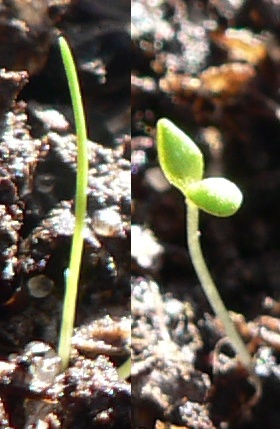
Mâche (Corn Salad)
Sow ¼ inch deep in a wide band; thin to 4 inches. Very cold-hardy and slow to bolt — plants sown now can produce into May in mild Zone 9 locations.
🪴 Transplant
Transplant brassica starts for spring heads
Zone 9 gardeners can set out transplants of broccoli, cabbage, and cauliflower through late January for spring harvest. Plants started now have the full cool season to develop before April warming triggers bolting.

Set transplants 18 inches apart in rows 24 inches apart. Plant at the same depth as the nursery container. Water in with dilute liquid fertilizer; avoid over-watering in January rains.

Space 18–24 inches apart depending on variety. Firm soil around the base. Cabbage transplanted now will head up in April–May before summer heat.

Set 18–24 inches apart; cauliflower is more sensitive to cold snaps than broccoli — cover with row cover if a frost below 28°F is forecast. Consistent moisture is critical.

Transplant 6–8 inches apart. Kohlrabi is fast-maturing (45–60 days) and can squeeze in a full cycle before heat arrives. Harvest when the bulb reaches golf-ball to tennis-ball size.
🧺 Harvest
Harvest citrus, brassicas, and root vegetables
January is peak citrus season across Zone 9. Navel oranges, lemons, and grapefruit are at their sweetest, while broccoli and cauliflower heads that were planted in fall are fully formed and must be cut before they bolt in warming late-winter weather.

Taste-test before harvesting — color alone is not a reliable indicator of ripeness. Twist fruit gently; ripe fruit releases easily from the spur.

Harvest when fruit reaches full size and skin turns fully yellow. Lemons can be left on the tree several weeks once ripe without quality loss.
Cut heads when tight and deep green, before any yellow flower buds open. Cut at a 45° angle 5–6 inches below the head to encourage side-shoot production.
Harvest when curds are firm, white, and compact — typically 6–8 inches across. Delay causes curds to "rice" and become unusable.

Harvest outer leaves from the bottom up, leaving the central growing tip intact. Flavor improves after exposure to cool temperatures.
Pull a test carrot; harvest all when shoulders reach ½–¾ inch diameter. Loosen soil with a fork before pulling to avoid breakage.
🛠️ Maintenance
Prune dormant deciduous fruit trees
January is the ideal window for dormant pruning of apple, pear, peach, and plum trees in Zone 9. Trees are leafless but not yet pushing new buds, so cuts heal quickly and disease pressure is low.

Remove crossing branches, water sprouts, and any branches growing toward the center. Aim for an open vase shape. Make cuts just outside the branch collar at a slight angle.

Peaches fruit on one-year-old wood — remove 50% of last year's growth to stimulate vigorous new shoots. Keep the tree to a manageable 6–8 foot height for easy harvest.
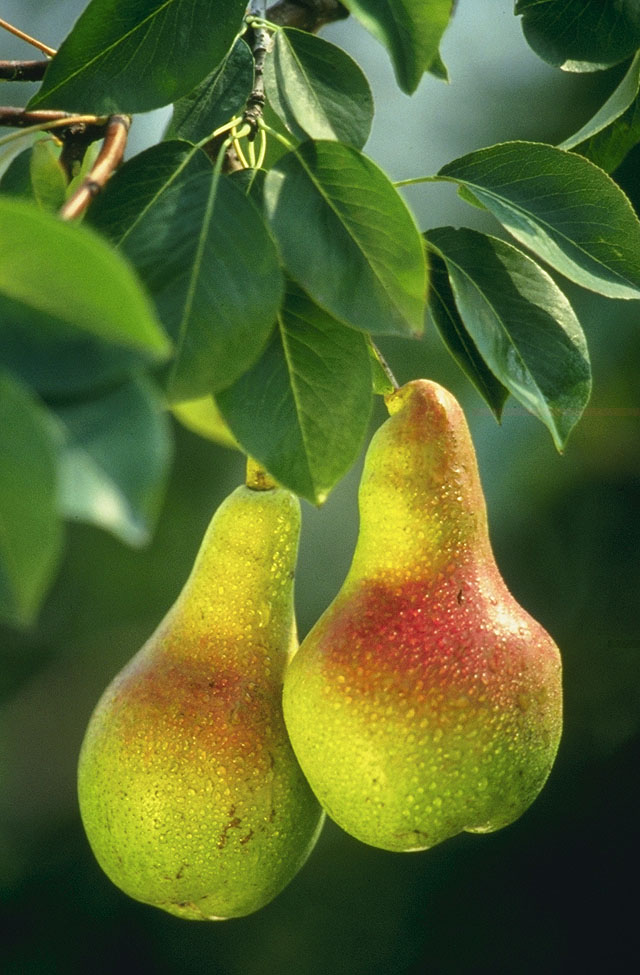
Prune lightly — pears are prone to fire blight if over-pruned. Remove dead, diseased, and crossing wood; leave most fruiting spurs intact. Disinfect tools between cuts.
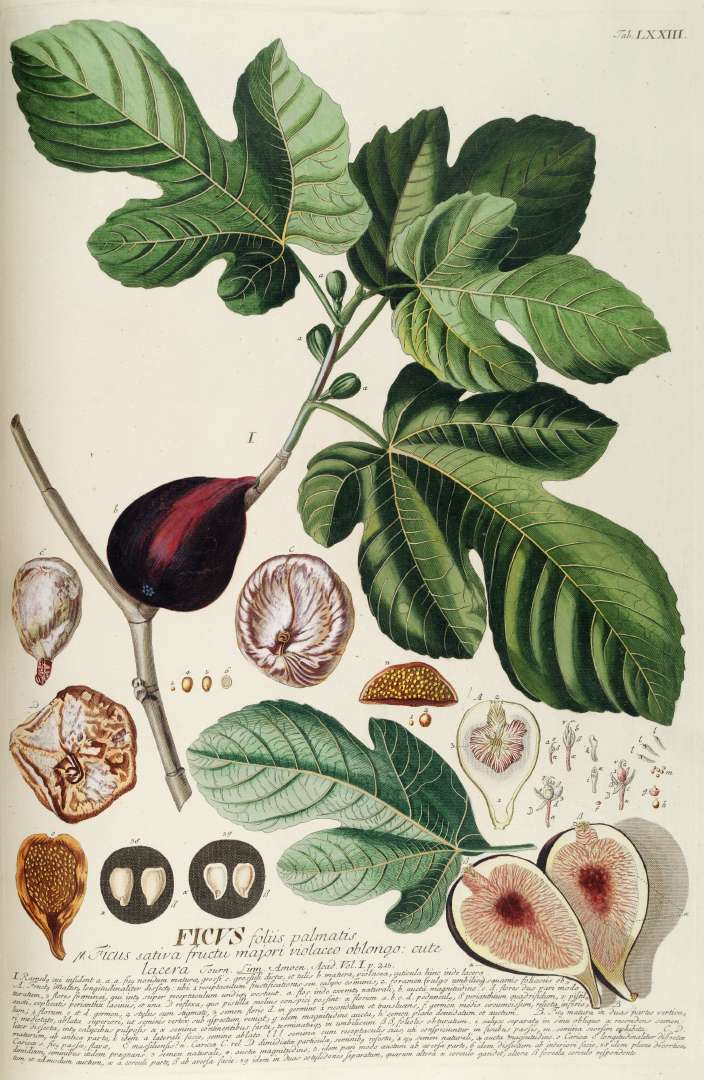
Remove dead tips and thin crowded branches. Figs fruit on new wood — light pruning encourages fruiting shoots. Major pruning is best done in January before sap rises.
When to plant this month's crops in Zone 9
Full planting calendars — start indoors, transplant, and harvest timing — for the crops you're planting in January.


General January tasks
These apply broadly regardless of zone — a useful checklist alongside the zone-specific tasks above.
- ✓Order seeds from catalogs and plan crop rotations
- ✓Inventory stored seeds and discard those past their viability window
- ✓Start onion and leek seeds indoors (cold zones)
- ✓Prune dormant fruit trees and grape vines
- ✓Apply dormant oil sprays to fruit trees before buds swell
- ✓Sharpen and oil garden tools
- ✓Turn compost pile if not frozen
- ✓Plan raised bed improvements and new garden layouts
⚠ Watch-outs for January
- ⚠Protect brassicas and root vegetables from hard freezes in Zones 7–8 with row covers
- ⚠Check overwintering bulbs in storage for rot or desiccation
- ⚠Avoid walking on frozen or waterlogged soil — it compacts severely
- ⚠Monitor houseplants for pests that thrive in dry indoor winter conditions
January in Zone 9: common questions
What can I plant in January in Zone 9?+
In January, Zone 9 gardeners can sow or transplant Tomatoes, Peppers, Eggplant, Carrots, Beets, Radishes, Turnips, and Mustard Greens. January in Zone 9 is prime cool-season growing — frost risk is nearly past and the garden is fully productive with brassicas, greens, root vegetables, and citrus all ready to harvest or plant.
When is the last and first frost in Zone 9?+
Zone 9 typically has its last spring frost around Late January – late February and its first fall frost around Early December – early January, giving a growing season of roughly 270–310 days. Always check a local frost-date source, since microclimates vary.
What's ready to harvest in January in Zone 9?+
In January, Zone 9 gardeners are typically harvesting Navel Orange, Eureka Lemon, Broccoli, Cauliflower, Kale, and Carrots. Pick regularly — frequent harvesting keeps most crops producing longer.